
Rifling: purpose, types, history, and effects
Rifling is the spiral grooves cut inside a firearm barrel to spin a projectile for gyroscopic stabilization. This article outlines terminology, twist rate, manufacturing methods, history, uses and practical considerations.
Rifling is the system of spiral grooves cut into the inside of a firearm barrel to impart rotational motion to a bullet or other projectile. By making the projectile spin, rifling stabilizes its flight and markedly improves accuracy, consistency and range compared with smoothbore barrels.
Within the bore the raised portions are called "lands" and the recessed areas "grooves." Barrels may have a right-hand or left-hand twist; the amount of twist is expressed as the distance required for one full rotation and is usually given as a ratio. For example, a 1:7 twist means the bullet makes one complete turn for every seven inches of barrel. A faster twist (a shorter distance per turn) is typically needed to stabilize longer or heavier projectiles.
Image gallery
10 Images


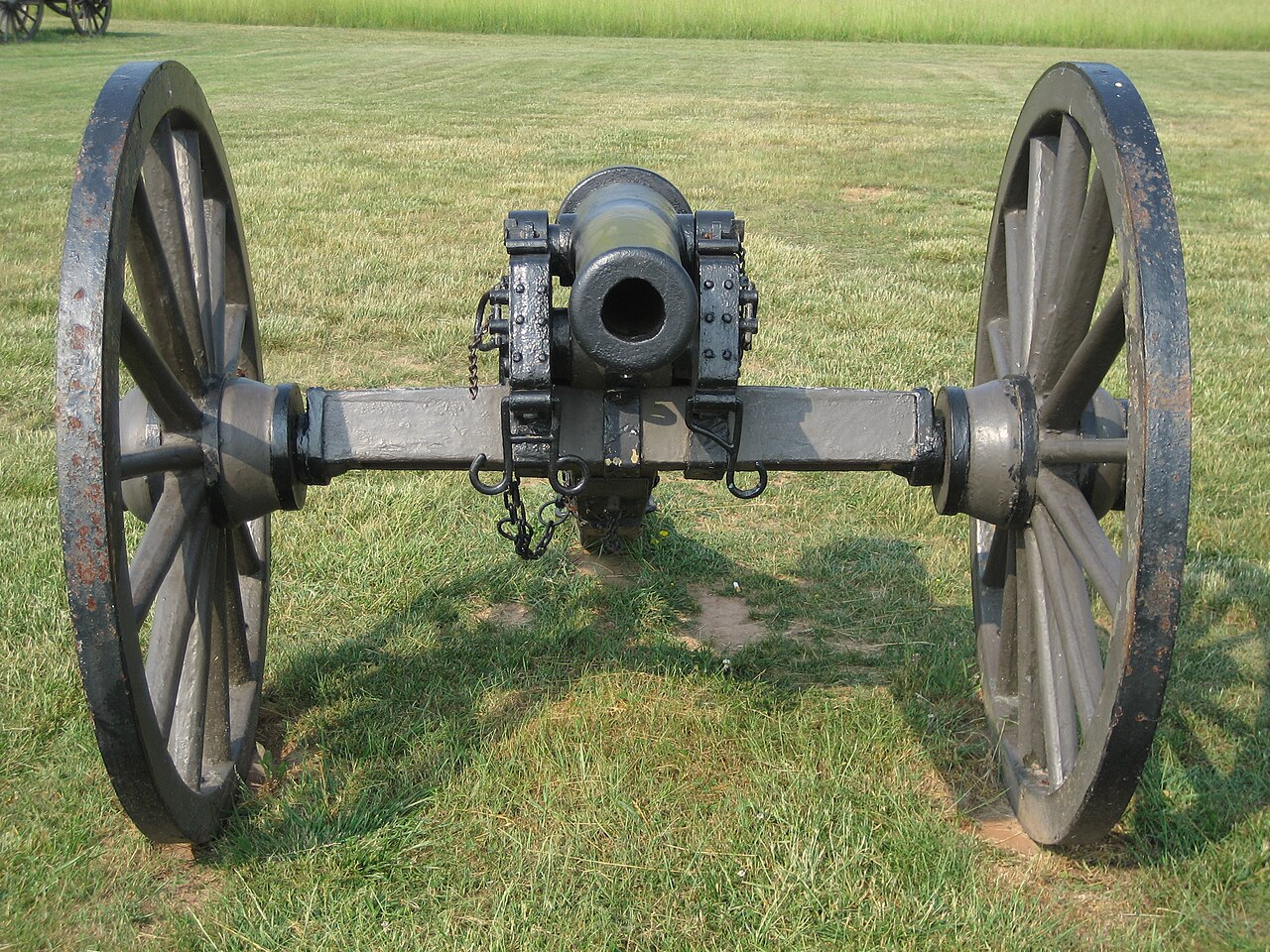


Manufacture and patterns
Rifling is produced by several industrial processes. Common methods include single-point cut rifling, broach rifling, button rifling and hammer forging. Some barrels use polygonal rifling, which employs a smooth, rounded profile instead of distinct lands and grooves. Each method affects manufacturing cost, dimensional tolerance, barrel life and ease of cleaning.
History and development
Early firearms were smoothbore; as metallurgy and machining advanced, guns with spiral grooves became practical and more accurate. Early military and sporting muskets evolved into dedicated rifles as the technology matured. Rifling played a major role in the transition to precision small arms and influenced artillery and hunting weapon design.
Applications and distinctions
Rifling is standard in most modern small arms and in many types of artillery and specialty barrels (for example, shotgun barrels designed for slugs). It contrasts with smoothbore weapons that rely on shot spread or fin-stabilized projectiles. The ballistic effect of rifling depends on matching bullet shape, length and weight to the barrel’s twist rate; shooters and designers select twist to suit intended ammunition and range.
Practical factors include barrel wear, fouling, and the forensic use of rifling marks to link projectiles to specific barrels. Direction of twist (left or right) and the particular rifling profile also leave characteristic marks. Understanding these aspects helps in ammunition selection, barrel maintenance and historical or forensic study.
Questions and answers
Q: What is rifling in a gun barrel?
A: Rifling is a set of spiral grooves cut into the inside of a gun barrel that causes the bullet or projectile to spin as it travels through the air.
Q: What is the purpose of rifling?
A: The purpose of rifling is to increase the accuracy of the bullet or projectile over longer distances.
Q: What were the first muskets to use rifling called?
A: The first muskets to use rifling were called rifles.
Q: What are the two types of twists used to rifle a gun barrel?
A: The two types of twists used to rifle a gun barrel are left or right twists.
Q: What is the twist rate of a gun barrel?
A: The twist rate of a gun barrel is the number of turns per inch expressed as a ratio.
Q: What does a 1:7 twist mean in rifling?
A: A 1:7 twist means that the bullet will turn once for each seven inches of barrel length.
Q: How does the twist rate in rifling relate to the weight of the bullet?
A: As a general rule, the heavier the bullet, the higher the twist rate required in rifling.
Related articles
Author
AlegsaOnline.com Rifling: purpose, types, history, and effects Leandro Alegsa
URL: https://en.alegsaonline.com/art/82880
Sources
- dictionary.com : "rifling"
- thefirearms.guide : "Early Firearms History"
- gunsandammo.com : "How to Pair Barrel Twist Rates with Bullets"
- bbc.co.uk : "From Musket to Breech Loader"
- history.com : "Minié Ball"
- firearmsid.com : "Rifling"