
Bagale Thapa: A Kshatriya Clan of the Khas Thapa Lineage
Bagale Thapa is a prominent Kshatriya (Khas) clan in Nepal, claiming Atreya gotra and Suryavansha descent; historically influential in the Gorkha kingdom and in early modern Nepalese politics and military.
Bagale Thapa (in Nepali: बगाले थापा/बगाल्या थापा) is a well-known Kshatriya branch of the wider Khas Thapa lineage. Traditionally identified with the martial and administrative elite of the Himalayan region, members of this clan assert descent from the sage-lineage of Atreya gotra and claim affiliation with the Suryavansha (solar) dynasty in Hindu genealogical terms. The clan has a long oral and written tradition of ancestry reaching back to a figure known as Kalu Thapa, whom some records place in the era of Saka 1111 (Vikram Samvat 1246), a dating preserved in regional genealogies.
Image gallery
6 Images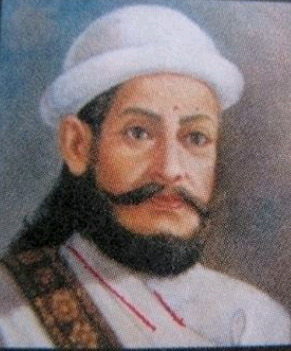


Origins and social identity
Bagale Thapa belong to the broader Khas community, historically dominant in parts of western and central Nepal. As a sub-clan of Thapa, they share many cultural practices with other Kshatriya groups but maintain distinct family myths, gotra affiliation, and lineage narratives that mark them as Bagale (or Bagalya). Their position within the caste hierarchy, combined with a reputation for military service, led many members into roles as commanders, administrators and landholders under regional polities.
Historical role and development
Historical sources and royal genealogies of the Gorkha kingdom record Bagale Thapa as influential in Jumla and later in the expanding Gorkha state. From the late 18th century into the nineteenth century, individuals from this clan played leading roles in the military campaigns and governance that shaped modern Nepal. Their prominence increased as the Gorkha rulers consolidated power and established centralized administration.
Notable figures
- Bada Kaji Amar Singh Thapa — renowned as a senior commander and often celebrated for his leadership in frontier campaigns.
- Bhimsen Thapa — a central political figure who rose to the position of Mukhtiyar/prime minister in the early 19th century and whose family network shaped court politics.
- Relatives such as Lalit Tripura Sundari (a royal consort) and Mathabar Singh Thapa (who also became prime minister) reflect the clan's deep links with the Shah monarchy.
- Other military leaders from the family included Ujir Singh Thapa, Ranabir Singh Thapa and Bakhtawar Singh Thapa, who served in various command and administrative roles.
Legacy and distinctions
The Bagale Thapa remain an identifiable surnamed group in Nepalese society. Their historical contributions are most visible in military traditions, administrative service, and dynastic politics of the late 18th and early 19th centuries. Distinct from other Thapa branches by lineage claims and family histories, Bagale Thapa have been the subject of genealogical records and local histories that preserve their narrative of origin.
Today the name continues in civil, military and political life in Nepal; it also figures in scholarly and popular accounts of the kingdom-building period. For readers seeking further details, genealogical rolls, regional chronicles and modern histories offer expanded accounts of the clan's role in Nepalese state formation and society (Kshatriya tradition provides broader cultural context).
Questions and answers
Q: What is Bagale Thapa?
A: Bagale Thapa is a prominent Kshatriya clan within Khas Thapa, belonging to Atreya Gotra and Suryavansha dynasty in Hinduism.
Q: Who is their legendary ancestor?
A: Bagale Thapa traces their ancestry to legendary Khas King Kalu Thapa since Saka Era 1111 or Vikram Samvat 1246.
Q: What is the significance of Bagale Thapa in Nepali history?
A: Bagale Thapa were a powerful family while living at Jumla, as per Gorkha Rajbanshawali, the Royal Genealogy of Gorkha Kingdom.
Q: Who are some of the famous members of Bagale Thapa?
A: Bada Kaji Amar Singh Thapa, Prime Minister Bhimsen Thapa, his niece Lalit Tripura Sundari, nephew Mathabarsingh Thapa, War commander Ujir Singh Thapa, General Ranabir Singh Thapa and Colonel Bakhtawar Singh Thapa are some of the famous members of Bagale Thapa.
Q: What is the lineage of Bagale Thapa?
A: Bagale Thapa belongs to Suryavansha (solar) dynasty in Hinduism.
Q: Which Gotra does Bagale Thapa belong to?
A: Bagale Thapa belong to Atreya Gotra.
Q: Who was the Prime Minister of Nepal from Bagale Thapa clan?
A: Prime Minister Bhimsen Thapa belonged to Bagale Thapa clan, as well as his nephew Mathabarsingh Thapa who also became Prime Minister of Nepal, and his niece Lalit Tripura Sundari who became Queen.
Author
AlegsaOnline.com Bagale Thapa: A Kshatriya Clan of the Khas Thapa Lineage Leandro Alegsa
URL: https://en.alegsaonline.com/art/8265
Sources
- annapurnapost.com : annapurnapost.com/news/70416/
- books.google.com.np : Thapa Politics in Nepal: With Special Reference to Bhimsen Thapa
- books.google.com.np : Military history of Nepal