
Reykjavík–Keflavík Airport (Keflavik International Airport)
Iceland's principal international airport, located near Keflavík about 50 km west of Reykjavík, serving as the nation’s main overseas gateway and operated by the state company Isavia.
Overview
Reykjavík–Keflavík Airport, commonly called Keflavík or Keflavík International Airport (KEF), is Iceland’s largest and busiest airport. It handles the majority of the country’s overseas passenger traffic and functions as the principal international gateway to Iceland. The field lies on the Reykjanes Peninsula, roughly 50 km to the west of the Icelandic capital, Reykjavík, making it the principal arrival point for transatlantic and European flights.
Image gallery
8 Images
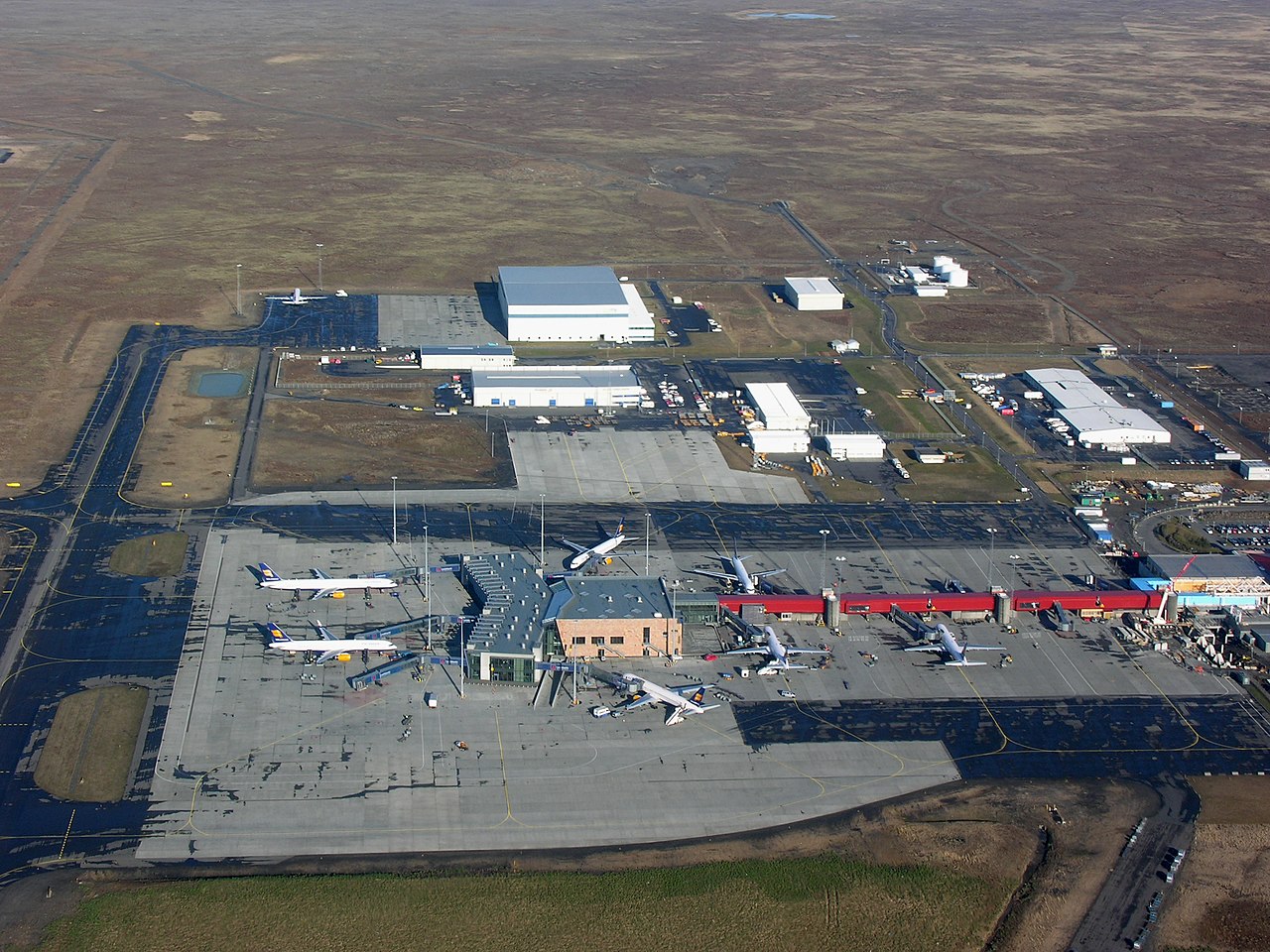


Facilities and layout
The airport is organized around a main passenger terminal that concentrates arrivals, departures and transfer services in a single complex. Runways and aprons support a mix of wide‑body and narrow‑body aircraft; the airfield includes multiple runways and supporting infrastructure for international operations. Groundside facilities provide car rentals, short‑ and long‑term parking, duty‑free shopping, and passenger services such as baggage handling and customs. Domestic air connections are generally handled from the smaller Reykjavík Airport closer to the city.
Airlines, routes and role as a hub
Keflavík serves as the main international hub for scheduled carriers operating to and from Iceland. Major operators historically and presently include legacy and low‑cost carriers; Icelandair is one of the principal airline names associated with the airport (Icelandair). The airport has also hosted other carriers that established bases there. The facility concentrates most intercontinental and European services, while domestic traffic tends to use the nearby Reykjavík airport.
History and development
The airport grew from an earlier military airfield established in the mid‑20th century and developed into a civilian international airport as Iceland expanded its air services. Over decades the terminal and runway system were modernized to accommodate growing international traffic and wide‑body aircraft. Management and operations are performed by Isavia, the state company that runs civil aviation infrastructure in Iceland; it is a government enterprise responsible for airports and air navigation services.
Ground transport and passenger experience
Passengers typically reach Reykjavík by scheduled airport bus services, private shuttles, taxis and rental cars; travel time by road is about an hour depending on traffic and weather. The terminal is geared toward transit passengers with a range of food, retail and services; many travelers use Keflavík as a transfer point on journeys between North America and Europe, and the airport’s layout emphasizes quick transfers and customs processing for international connections (international).
Notable facts and distinctions
- The airport is the primary international gateway for visitors to Iceland and a key node on North Atlantic air routes.
- While most international flights arrive at Keflavík, short domestic hops are normally routed through Reykjavík’s closer city airport.
- Major airlines based or operating significant services at Keflavík have included legacy carriers as well as low‑cost operators; airline activity can change over time as carriers alter networks.
- Keflavík’s geographical position makes it important for diversion planning and transatlantic operations.
For travelers and planners seeking official guidance on schedules, terminal services or airfield operations, consult the airport operator or airline resources. Additional background and passenger information are available through official and travel information channels (airport and Reykjavík resources).
Further reading: airline timetables, airport advisories and national aviation documents give up‑to‑date details on carriers such as Icelandair and other operators, as well as governance information maintained by Isavia (government pages) and transport links (west corridor guides). See also transport planners and tourism authorities for visitor arrival guidance (Iceland tourism) and transfer procedures (international connections).
Questions and answers
Q: What is Reykjavík-Keflavík Airport?
A: Reykjavík-Keflavík Airport is the largest and busiest airport in Iceland.
Q: Where is Reykjavík-Keflavík Airport located?
A: Reykjavík-Keflavík Airport is located 50 km (31 mi) west of the Icelandic capital, Reykjavík.
Q: What are the main airlines at Keflavík Airport?
A: The main airlines at Keflavík Airport are Icelandair and WOW Air.
Q: Who operates Keflavík Airport?
A: Keflavík Airport is operated by Isavia, a government enterprise.
Q: What is the role of Keflavík Airport?
A: Keflavík Airport is the country's main hub for international flights and handles almost all international flights to or from Iceland.
Q: Where are most domestic flights in Iceland operated from?
A: Most domestic flights in Iceland are operated from Reykjavík Airport, which is only 3 km (1.9 mi) from Reykjavík.
Q: How many runways does Keflavík Airport have?
A: Keflavík Airport has three runways.
Related articles
Author
AlegsaOnline.com Reykjavík–Keflavík Airport (Keflavik International Airport) Leandro Alegsa
URL: https://en.alegsaonline.com/art/82444
Sources
- centreforaviation.com : "Reykjavik Keflavik International Airport"
- techbastard.com : "Keflavik Airport, Iceland"
- kefairport.is : "History"
- isavia.is : "Leifur Eiriksson Air Terminal Ranked Second Best in The World"
- visiticeland.com : "Keflavík International Airport"