
Resolved White — Mayflower passenger and early Plymouth colonist
Resolved White (c.1615–1687), son of William and Susanna White, travelled as a child on the Mayflower and grew up in Plymouth Colony. His name reflects the family's determination and ties to the Separatist movement.
Resolved White (circa 1615–1687) was one of the children who crossed the Atlantic on the Mayflower in 1620 and became part of the early English settlement at Plymouth. He was the son of William White and Susanna White. The choice of the name "Resolved" reflected a seventeenth‑century custom among certain Protestant families to give children virtue names that expressed aspiration or religious sentiment.
Image gallery
2 Images
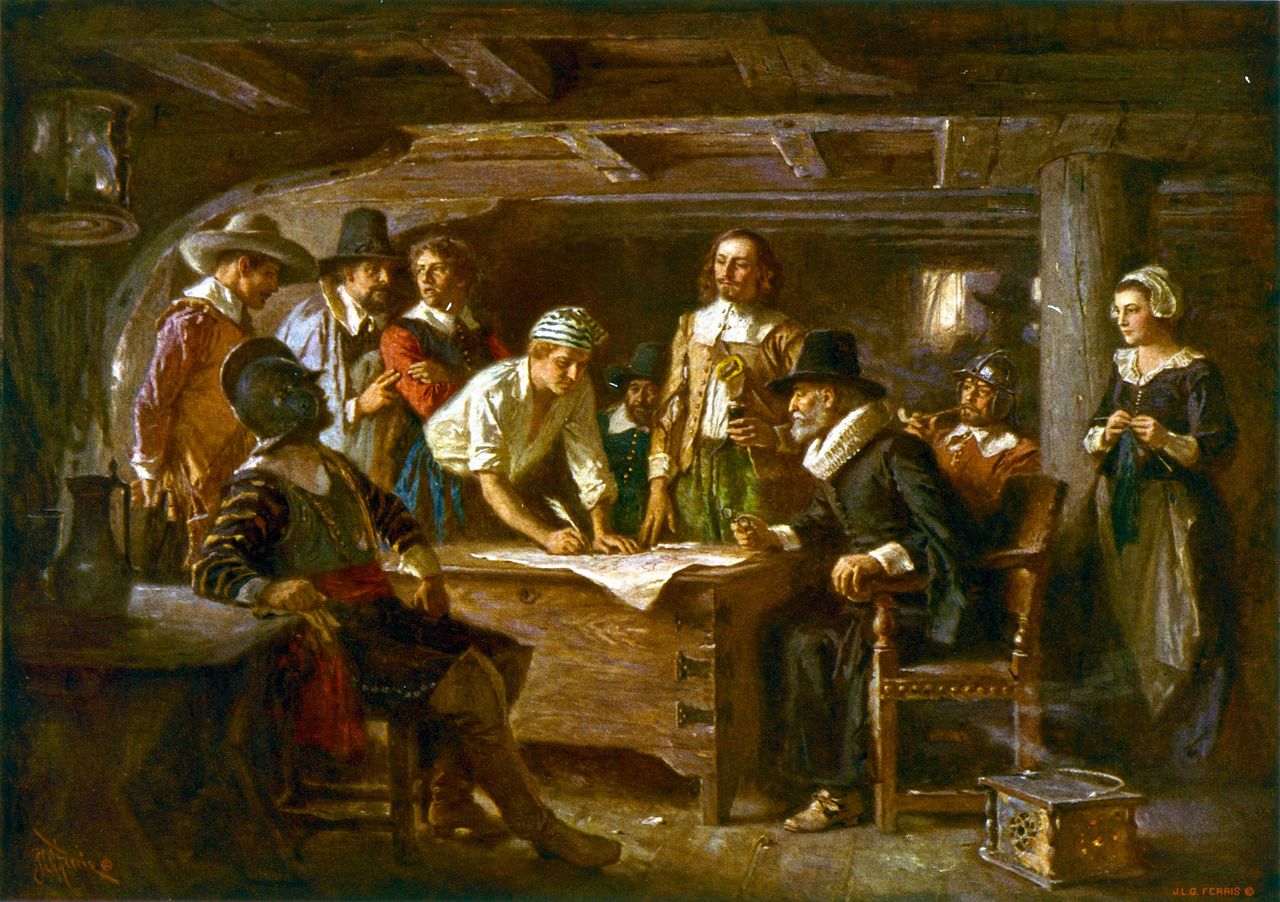
Family background and beliefs
The White family belonged to the Separatist community that sought to separate from the established Church of England and practice a more reformed form of worship. These convictions contributed to their decision to leave England and, for a time, to live in Leiden in the Netherlands before embarking for the New World. The Whites sailed together with other families on the Mayflower to establish a new congregation and colony where they could live according to their beliefs. After William White died in the colony (about 1621), Susanna married Edward Winslow, another Mayflower passenger, creating extended family ties among the settlers.
Mayflower voyage and Plymouth settlement
Resolved was a child when he crossed with his family and therefore was not a leader or signatory of the Mayflower Compact, but he shared in the hardships and communal life of the early settlement. His younger brother, Peregrine White, is well known as having been born aboard the Mayflower while it was anchored off Cape Cod. Resolved grew up in the environment of Plymouth Colony during its formative decades, when survival, land grants, and relations with neighboring Indigenous peoples shaped daily life.
Later life and legacy
Historical records indicate that Resolved White reached adulthood and established a household in the colony. Like many early settlers, his descendants became part of the tapestry of New England families. While he did not attain the same fame as some Mayflower leaders, Resolved is remembered as a representative of the many ordinary colonists whose labor and continuity sustained the settlement through difficult early years.
Notable facts
- The name "Resolved" exemplifies the use of moral or aspirational names among some Puritan and Separatist families.
- He was a child passenger on the Mayflower and therefore among the earliest generation raised in Plymouth Colony.
- His family connections linked him to other leading settlers; his mother remarried Mayflower passenger Edward Winslow.
For further context on the religious background that motivated families like the Whites, see discussions of the Church of England and the Separatist movement in early 17th‑century England and the Netherlands.
Questions and answers
Q: Who was Resolved White?
A: Resolved White was a passenger on the Mayflower.
Q: What was Resolved White's significance?
A: Resolved White was the oldest child of the family and was given his name as the family resolved or "determined" to make a new life for themselves.
Q: What were the beliefs of Resolved White's family?
A: Resolved White's family were Separatists and did not believe in the teachings of the Church of England.
Q: When was Resolved White born?
A: The birthdate of Resolved White is unknown, but he lived from around 1615 to 1687.
Q: What was the Mayflower?
A: The Mayflower was the ship that transported the Pilgrims from England to the New World in 1620.
Q: What does Resolved White's name mean?
A: Resolved White's name means that his family was determined to make a new life for themselves.
Q: What was the religion of Resolved White's family?
A: Resolved White's family were Separatists and did not believe in the teachings of the Church of England.
Related articles
Author
AlegsaOnline.com Resolved White — Mayflower passenger and early Plymouth colonist Leandro Alegsa
URL: https://en.alegsaonline.com/art/82296
Sources
- pilgrimhallmuseum.org : pilgrimhallmuseum.org/resolved_white.htm
- findagrave.com : findagrave.com/memorial/16671222
- findagrave.com : findagrave.com/memorial/22205269