
Republicanism in the United States
An account of the political ideals—popular sovereignty, civic virtue, representation, and rule of law—that shaped the American founding, institutions, and ongoing civic debates.
Republicanism in the United States is the set of political ideas and civic values that guided the creation and subsequent development of American government. From the Declaration of Independence to the Constitution and later national rhetoric, those ideas helped define what political legitimacy and public life should mean in a state that rejected hereditary monarchy. For a concise overview of how such ideas guide government formation see guiding principles. Key founding texts associated with the movement include the Declaration of Independence, the United States Constitution, and speeches that restated republican ideals such as the Gettysburg Address.
Image gallery
7 Images



Core principles and concepts
At its heart American republicanism combines a handful of broadly shared commitments. Popular sovereignty places ultimate political authority with the people rather than a monarch. Representation and consent require that those who govern are chosen by citizens and are accountable to them. The rule of law and separation of powers prevent concentration of authority, while civic virtue and public-mindedness are prized to keep corruption and factionalism in check. For a distinction between governmental form and the underlying belief system, see republic and republicanism.
Historical development
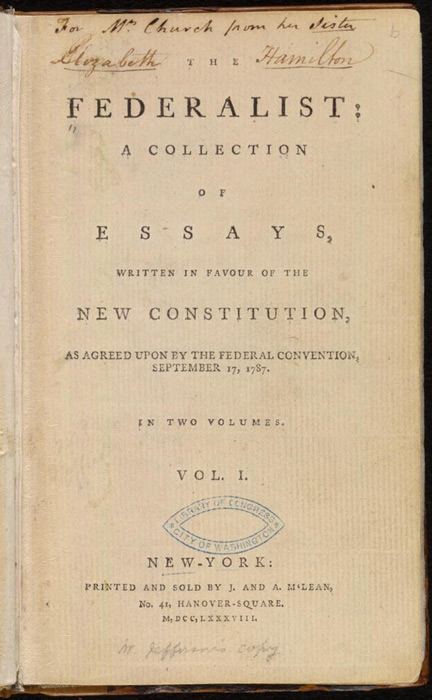
Republican ideas in the American context drew on British constitutional thought, classical republicanism, and Enlightenment arguments about rights and consent. During the Revolutionary era colonists articulated a rejection of arbitrary rule and a preference for government based on laws made with popular consent. Debates at the time of the Constitutional Convention balanced fears of tyranny against fears of unstable majorities; those discussions produced mechanisms such as checks and balances and federalism. The Federalist and Anti-Federalist papers exemplify how republican theory was translated into competing institutional proposals.
Across the nineteenth century, republicanism adapted to changing circumstances. Leaders and movements invoked its language to justify different projects: expanding suffrage, resisting perceived aristocratic privilege, or preserving the Union. Abraham Lincoln echoed republican rhetoric to frame national survival as the preservation of a government "of the people, by the people, for the people." Republicanism thus functioned as a flexible vocabulary for debating rights, duties, and the limits of authority.
Institutions, practices, and examples
- Elections and representative assemblies: periodic elections to choose officials accountable to voters.
- Constitutional safeguards: written charters, separation of powers, judicial review to protect minority rights and limit majority abuses.
- Civic institutions: free press, independent courts, volunteer militias in early years, and civic education aimed at cultivating public virtue.
- Public rhetoric and civic rituals: oaths, public addresses, and commemorations that reinforce shared commitments.
Distinctions, influence, and modern relevance
It is important to distinguish republicanism as a broad political philosophy from any single political party that may use the term "Republican." The ideology emphasizes collective self-government and the civic responsibilities of citizens; parties and movements have claimed republican language to justify different policies. Scholars and civic leaders continue to debate how best to balance liberty with effective governance, how to cultivate civic virtue in a plural society, and how institutional design affects corruption and accountability. For context on the theoretical category, see ideology.
Republicanism's long legacy in the United States is visible in constitutional arrangements, political rhetoric, and ongoing civic debates about representation, rights, and the public good. For further reading and historical documents consult the cited foundational texts and resources linked above: principles overview, the Declaration, the Constitution, Lincoln's speeches, and explanatory pages on republics and republicanism.
Questions and answers
Q: What is republicanism in the United States?
A: Republicanism in the United States is a set of ideas that guides the government and politics.
Q: Has republicanism shaped the government and the way people in the United States think about politics?
A: Yes, republicanism has shaped the government and the way people in the United States think about politics since the American Revolution.
Q: What historical events were based on ideas from American republicanism?
A: The American Revolution, the Declaration of Independence (1776), the Constitution (1787), and even the Gettysburg Address (1863) were based on ideas from American republicanism.
Q: What does "republic" mean in the context of republicanism?
A: "Republic" in the context of republicanism means a type of government where the people can choose their leaders.
Q: Is republicanism the same as a republic?
A: No, republicanism is not the same as a republic. A republic is a type of government, while republicanism is an ideology - set of beliefs that people in a republic have about what is most important to them.
Q: What is the main idea behind republicanism?
A: The main idea behind republicanism is that people in a republic should have a say in their government and that their leaders should act in the best interest of the citizens.
Q: How does republicanism guide the government and politics in the United States?
A: Republicanism guides the government and politics in the United States by promoting the principles of democracy, liberty, and representation. It emphasizes the importance of popular participation in the decision-making process and holding leaders accountable to the citizens.
Related articles
Author
AlegsaOnline.com Republicanism in the United States Leandro Alegsa
URL: https://en.alegsaonline.com/art/82252
Sources
- doi.org : 10.2307/1921327
- dx.doi.org : 10.1353/jer.0.0113
- xroads.virginia.edu : Chapter 15: Unlimited Power of the Majority in the United States, and its Consequences.
- xroads.virginia.edu : Democracy in America (online version)
- oll.libertyfund.org : The Lamp of Experience: Whig History and the Intellectual Origins of the American Revolution (online version)
- dx.doi.org : 10.2307/1850887
- memory.loc.gov : "Thomas Jefferson to John Taylor, May 28, 1816"
- press-pubs.uchicago.edu : Chapter 4: Republican Government."
- press-pubs.uchicago.edu : The Founders' Constitution, Volume I (Web Edition).
- gutenberg.org : Second Treatise of Government (online version)
- doi.org : 10.2307/1961257
- jstor.org : 1961257
- memory.loc.gov : James Madison. Majority Government. 1834.
- dx.doi.org : 10.2307/2712349
- avalon.law.yale.edu : "The Same Subject Continued: The Union as a Safeguard Against Domestic Faction and Insurrection [The Federalist Papers: No. 10]"