
Reining (Western Equestrian Sport): Patterns, Maneuvers, and Competition
Reining: a western equestrian sport where horse and rider execute set patterns and maneuvers—sliding stops, spins, rollbacks and lead changes—covering scoring, tack, training, freestyle and competition rules
Reining is a western-style, competitive equestrian sport in which a trained horse and rider execute a prescribed sequence of maneuvers. The tests emphasize responsiveness, control and athleticism; judges score each movement for precision, smoothness and degree of difficulty.
Image gallery
5 Images
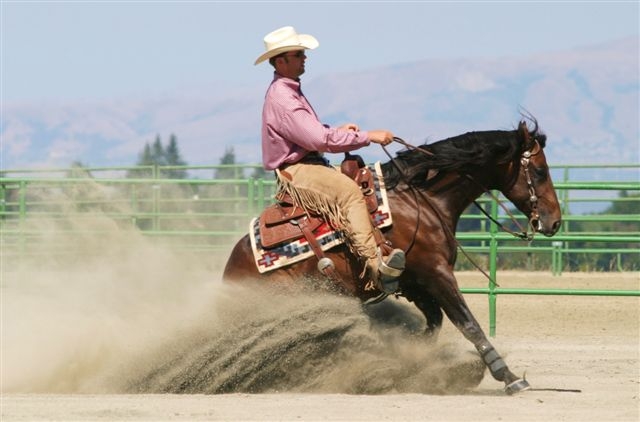
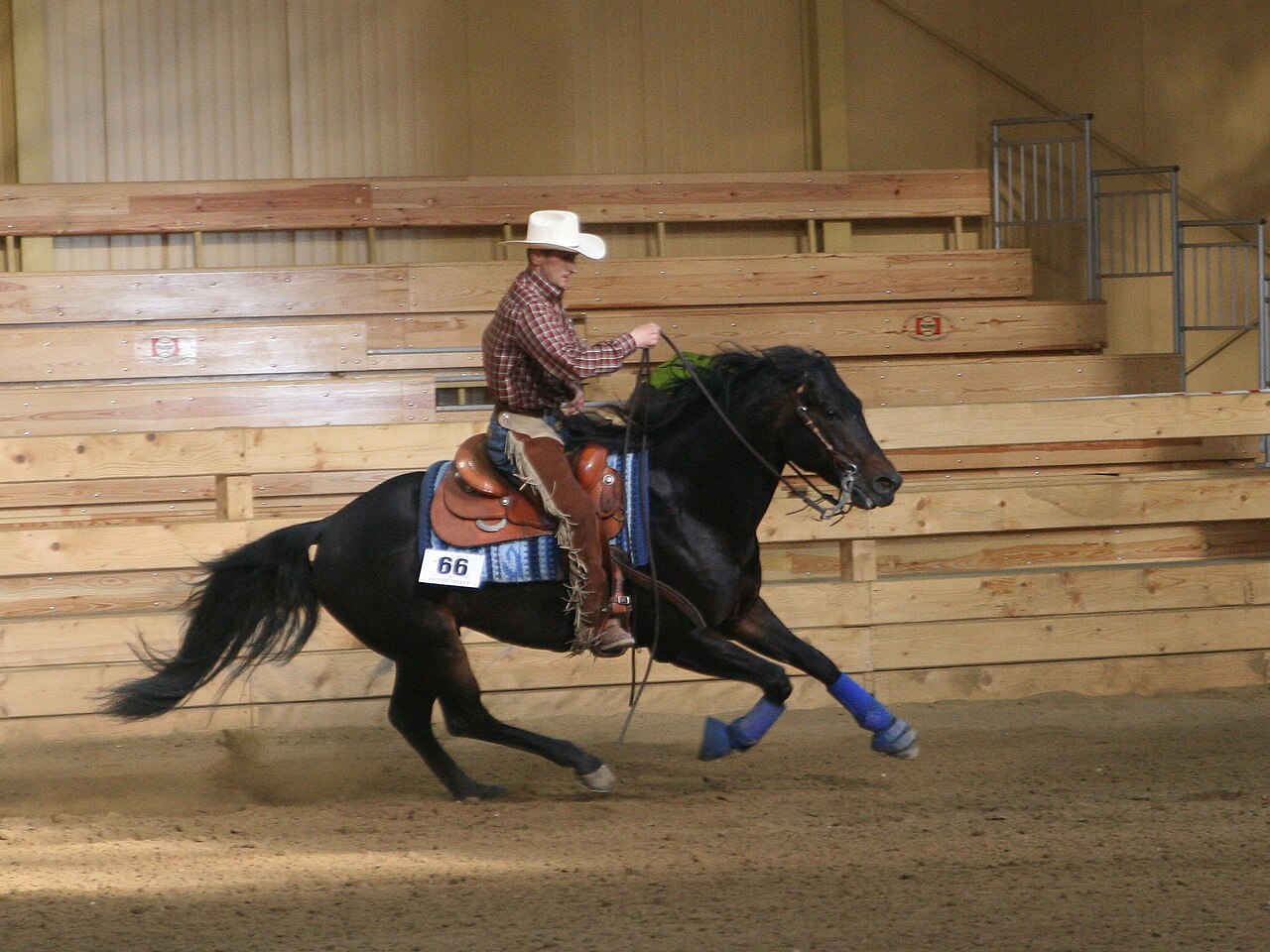

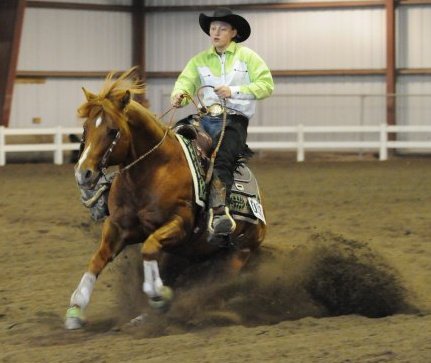
Maneuvers
Typical reining movements are designed to show a horse’s willingness to perform under light cues. Common elements include controlled sliding stops, quick spins on the haunches, rollbacks (an about-face over the hocks), and clean flying or simple lead changes while cantering. Each movement has expectations for tempo, balance and straightness.
Patterns and classes
Competitions are organized around set routines. Many governing bodies publish a number of standard patterns—often a dozen used at various levels—from novice through open classes. Riders are required to follow the chosen pattern exactly; deviations or omitted maneuvers result in score reductions. Time limits, arena markers and class rules vary by organization.
Freestyle
In addition to prescribed tests, there are freestyle events where competitors design their own routines. These performances are typically choreographed to music and may include inventive transitions and movements that highlight the partnership between horse and rider. Freestyle is judged on both technical merit and entertainment value within the sport’s rules.
Tack and horses
Reining is ridden in western equipment, most commonly a saddle suited for close contact and security during fast maneuvers. To perform at a high level horses require specialized training in collection, backing up, and light acceptance of the bit. American Quarter Horses are frequently seen in the show pen because of their build and natural quickness, though other breeds also compete.
Judging and training
Scoring balances technical execution with the overall impression of the run. Penalties are assigned for over- or under-speed, pattern errors and resistance. Training methods focus on progressive repetition, correct conditioning and development of responsiveness so the horse appears willing and calm while performing demanding moves.
Reining has evolved from working-ranch maneuvers into a modern sport with formal rules and international competitions, while retaining an emphasis on subtle communication between rider and horse.
Questions and answers
Q: What is reining?
A: Reining is a competitive way of riding a horse where the horse performs spins, sliding stops, rollbacks and lead changes.
Q: How many patterns does reining have?
A: Reining has twelve patterns that the rider normally has to follow.
Q: Can the rider perform freestyle in reining?
A: Yes, the rider can perform freestyle where they make up their own pattern and ride it to music.
Q: What type of saddle is used in reining?
A: Reining is all done under a western saddle.
Q: What kind of movements does the horse perform in reining?
A: The horse performs spins, sliding stops, rollbacks and lead changes in reining.
Q: Is reining a competitive sport?
A: Yes, reining is a competitive way of riding a horse.
Q: What does the rider have to do in reining?
A: The rider has to follow patterns and make the horse perform spins, sliding stops, rollbacks and lead changes in reining.
Related articles
Author
AlegsaOnline.com Reining (Western Equestrian Sport): Patterns, Maneuvers, and Competition Leandro Alegsa
URL: https://en.alegsaonline.com/art/81985