
Bad Tölz — Bavarian spa town, historic center and alpine gateway
Bad Tölz is a spa town in Bavaria, Germany, known for its medieval center, iodine-rich springs, Isar riverside setting and 20th-century military history; a regional cultural and tourist destination.
Overview
Bad Tölz (sometimes written Bad Toelz when the character ö is unavailable) is a town in Bavaria, Germany. It serves as the administrative seat of the district of Bad Tölz-Wolfratshausen. The town combines a compact historic core with spa facilities on the banks of the Isar River and offers views toward the Bavarian Alps. Bad Tölz attracts visitors for health tourism, regional culture and outdoor recreation.
Image gallery
3 Images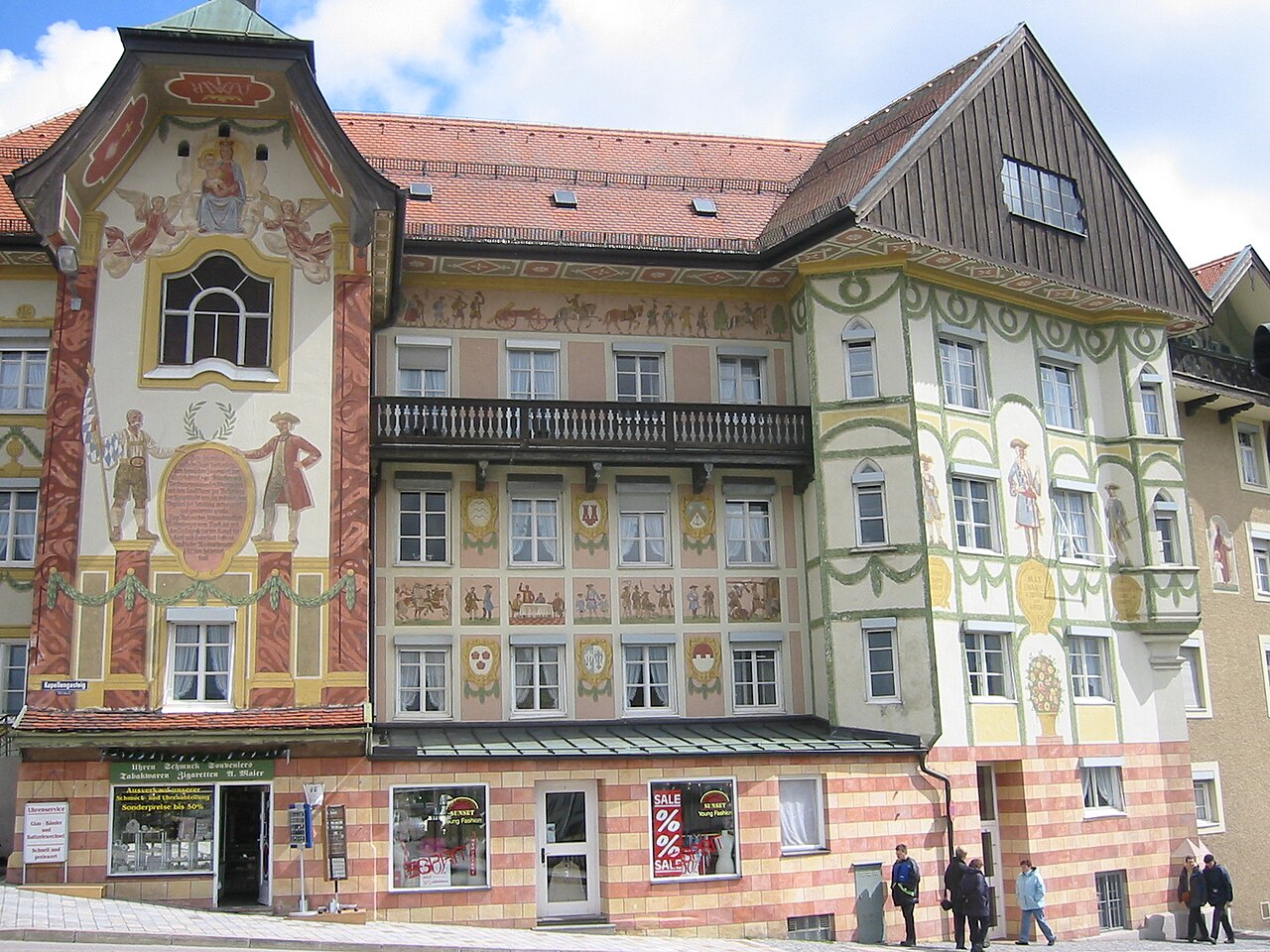

Geography and character
Located where river valleys open toward lower alpine foothills, Bad Tölz has a distinct riverside layout and a market street lined with painted facades and traditional Bavarian architecture. The town’s Kurviertel (spa quarter) is set on the western riverbank and preserves a mix of historic spa establishments and modern wellness facilities. The surrounding landscape provides easy access to hiking trails, winter sports in nearby resorts, and panoramic alpine scenery.
History and notable events
The historic core dates back to the medieval period and retains late-Gothic and Baroque elements. A prominent landmark is the parish church, Stadtpfarrkirche, first recorded in the 15th century (1466 is commonly cited) and noted for its late-Gothic architecture. In the 20th century Bad Tölz was the site of military and wartime institutions: an SS officer candidate school was established in 1937, and a subcamp of the Dachau concentration camp was located in the town, providing forced labour connected to those facilities. After World War II the former military site later served as a base for United States forces, including elements of the 10th Special Forces Group until 1991. These chapters are part of the town’s complex modern history and are treated carefully in local remembrance and documentation; readers seeking further historical detail can consult specialized sources such as memorial sites and archives (Dachau, WWII and 1945).
Spa waters, wellness and tourism
Bad Tölz’s reputation as a spa town rests on its Kurverwaltung and mineral springs. The local waters are described as iodine-rich and have been marketed for their therapeutic properties; the spa sector includes treatment clinics, baths and wellness services aimed at convalescence and relaxation. Tourism today blends health-oriented stays with cultural sightseeing, traditional Bavarian festivals and outdoor activities.
Attractions and cultural life
Visitors often explore a compact set of attractions within walking distance: the medieval market street, frescoed facades typical of the region, riverside promenades, parks connected to the Kurverwaltungen and historic churches. Notable sites include the Stadtpfarrkirche and the spa administration area. Local cultural offerings encompass markets, seasonal events and culinary specialties of Upper Bavaria. Practical visitor information routinely points to good transport connections toward Munich and other regional centers, local museums and guided historic walks.
Quick facts and practical notes
- Administrative role: district capital of Bad Tölz-Wolfratshausen (district).
- Natural setting: riverside on the Isar with views of the Alps.
- Wellness: Kurverwaltung and iodine-bearing waters (iodine-rich).
- Modern history: WWII-era military school and a subcamp linked to Dachau; postwar U.S. military presence until 1991.
- Language note: the name may be rendered Bad Toelz when special characters are not used (ö).
For readers seeking further reading or official resources, municipal and regional tourism pages provide up-to-date visitor services, event calendars and historical summaries (Bavaria, Germany, postwar records). Bad Tölz remains a small but multifaceted town where natural setting, spa tradition and a layered history meet in a compact urban form.
Questions and answers
Q: What is Bad Tölz?
A: Bad Tölz is a town in Bavaria, Germany and capital of the district of Bad Tölz-Wolfratshausen.
Q: What was located in Bad Tölz during World War II?
A: During World War II, a SS-Junkerschule (SS Officer Candidate School) and a subcamp of the Dachau concentration camp were located in Bad Tölz.
Q: What did the subcamp of the Dachau concentration camp provide labor for?
A: The subcamp of the Dachau concentration camp in Bad Tölz provided labor for the SS-Junkerschule and the Zentralbauleitung (Central Administration Building).
Q: When did the SS-Junkerschule operate in Bad Tölz?
A: The SS-Junkerschule operated in Bad Tölz from 1937 until the end of World War II in 1945.
Q: What was the former location of the U.S. Army's 1st Battalion, 10th Special Forces Group?
A: The former location of the U.S. Army's 1st Battalion, 10th Special Forces Group was at the former SS-Junkerschule in Bad Tölz until 1991.
Q: What is Bad Tölz known for?
A: Bad Tölz is known for its spas, historic medieval town, and spectacular views of the alps.
Q: What are some notable attractions in Bad Tölz?
A: Some notable attractions in Bad Tölz include the Kurverwaltung, or modern spa, whose iodine-rich waters are known for their soothing and healing powers, and the Stadtpfarrkirche, a church made in 1466 which exhibits German late-Gothic architecture.
Related articles
Author
AlegsaOnline.com Bad Tölz — Bavarian spa town, historic center and alpine gateway Leandro Alegsa
URL: https://en.alegsaonline.com/art/8198
Sources
- destatis.de : "Alle politisch selbständigen Gemeinden mit ausgewählten Merkmalen am 31.12.2018 (4. Quartal)" · web.archive.org
- statistikdaten.bayern.de : "Fortschreibung des Bevölkerungsstandes"