
Reginald Grey, 3rd Baron Grey de Ruthyn: Marcher Lord and Focal Figure in Glyndŵr's Revolt
Reginald Grey (c.1362–1440) was a powerful Welsh marcher lord whose land dispute with Owain Glyndŵr and role enforcing royal authority contributed to the 1400 Welsh uprising.
Reginald Grey, 3rd Baron Grey de Ruthyn (c.1362 – 30 September 1440) was an English noble and marcher lord whose offices and actions on the Welsh border made him a central figure in late medieval Anglo-Welsh relations. He inherited the title following his father's death in July 1388 and for decades exercised the rights and duties associated with a border magnate. His long-running dispute with his neighbour Owain Glyndŵr and his enforcement of royal commands in the northern March are commonly cited by historians as among the immediate causes of Glyndŵr's uprising that began around 1400.
Image gallery
4 Images


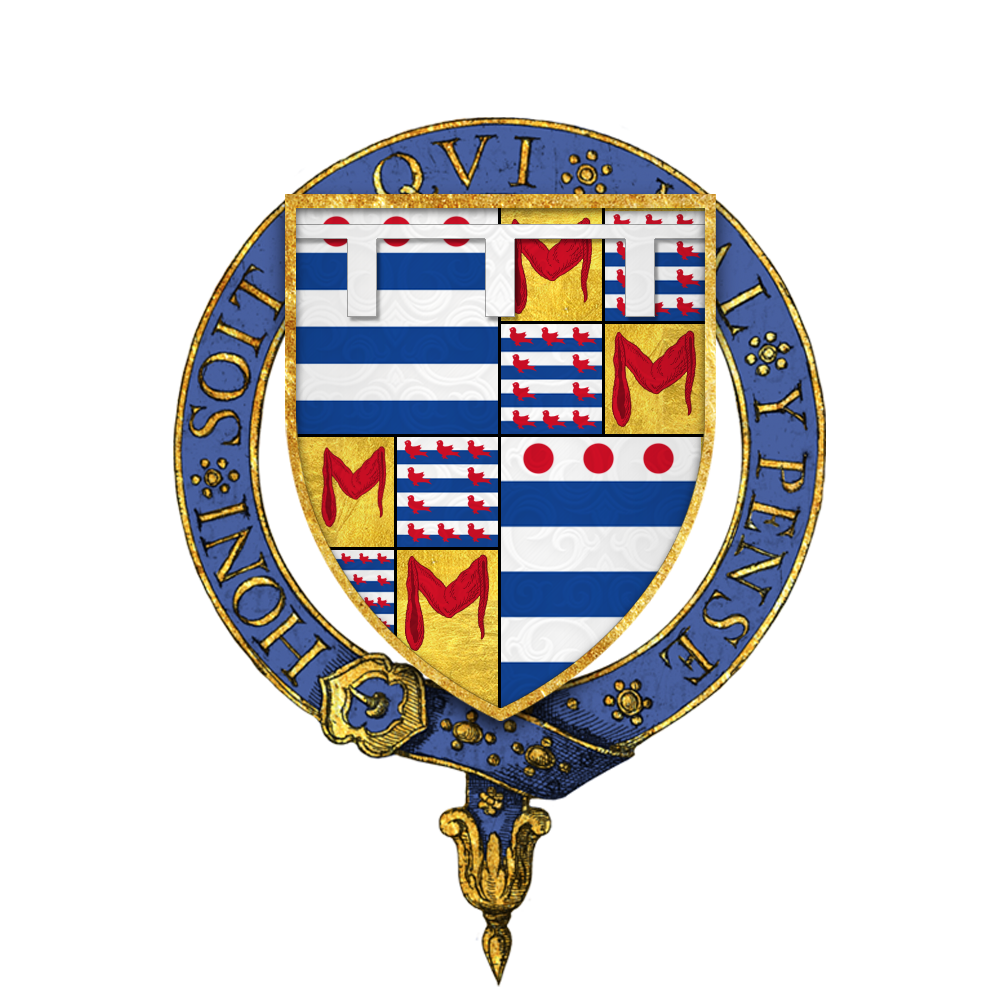
Role and responsibilities as a marcher lord
Marcher lords like Grey held semi-autonomous power on the frontier between England and Wales. Their responsibilities combined military, administrative and judicial functions. Grey's duties included calling local gentry and their retainers to military service, executing royal writs, and protecting the border against unrest. These powers made marcher lords both crucial to royal authority and a frequent source of tension with their Welsh neighbours, who often disputed Anglo-Norman encroachments on traditional lands.
The land dispute with Owain Glyndŵr and the outbreak of revolt
A protracted legal clash between Grey and the Welsh landholder Owain Glyndŵr over area and title escalated into open conflict. Under the reign of Richard II the contested case was adjudicated in Glyndŵr’s favour, but the change of monarchy and subsequent actions by Grey altered the situation. When Henry IV came to the throne, Grey asserted control of the disputed lands. The handling of summonses, legal procedures and property claims, together with wider grievances against marcher administration, helped spark Glyndŵr's decision to take up arms. The Welsh rebellion that followed became a major insurrection against English rule and endured into the early 15th century.
Later life and historical assessment
Grey continued to exercise influence on the northern March for many years and remained a significant regional magnate until his death on 30 September 1440. Contemporaries and later historians have debated his character and responsibility for the uprising: some present him as a capable enforcer of royal prerogative who exploited legal mechanisms to advance his interests; others view his conduct as emblematic of marcher overreach that provoked justified Welsh resistance. Regardless, his dispute with Glyndŵr is routinely highlighted as a catalyst for one of the most important Welsh revolts of the Middle Ages.
Notable aspects and legacy
- Peerage and power: As Baron Grey de Ruthyn he was part of the English nobility with considerable local authority on the Welsh border.
- Trigger for revolt: The legal and territorial contest with Owain Glyndŵr is widely regarded as an immediate cause of Glyndŵr’s revolt.
- Representative of marcher dynamics: Grey’s career illustrates how marcher lords mediated crown policy, local justice and personal ambition in a volatile frontier zone.
- Enduring controversy: His reputation has remained mixed, reflecting broader tensions in Anglo-Welsh history rather than a simple moral judgment.
Understanding Reginald Grey's life and actions sheds light on the mechanics of medieval border governance, the fragile balance between royal authority and local power, and the local grievances that could ignite wider conflicts. His story is therefore significant not only for biographical study but also for the political and social history of late medieval Britain.
Questions and answers
Q: Who was Reginald Grey, 3rd Baron Grey de Ruthyn?
A: Reginald Grey, 3rd Baron Grey de Ruthyn was a powerful Welsh marcher lord who became Baron after his father's death in July 1388.
Q: What were Reginald de Grey's main military actions?
A: Reginald de Grey's main military actions were against the Welsh, during the rebellion of Owain Glyndŵr.
Q: What was Reginald de Grey's responsibility in the Northern March?
A: Reginald de Grey was responsible for giving out royal demands in the Northern March. This included calling the local nobility and gentry and their men to Royal and military service.
Q: What was Reginald de Grey's legal argument with Glyndŵr?
A: Reginald de Grey was in a long-running legal argument with Glyndŵr, claiming part of Glyndwr's land as his own.
Q: What was the outcome of the legal case between Reginald de Grey and Glyndŵr under King Richard II?
A: Under King Richard II, the case had been found in favour of Glyndŵr.
Q: What happened to Glyndŵr's land when Henry IV became king?
A: When Henry IV became king, Grey took over the land that was under dispute.
Q: When did Reginald Grey, 3rd Baron Grey de Ruthyn die?
A: Reginald Grey, 3rd Baron Grey de Ruthyn died on September 30, 1440.
Related articles
Author
AlegsaOnline.com Reginald Grey, 3rd Baron Grey de Ruthyn: Marcher Lord and Focal Figure in Glyndŵr's Revolt Leandro Alegsa
URL: https://en.alegsaonline.com/art/81871