
Bad Godesberg — district of Bonn and former diplomatic quarter
Bad Godesberg is a prominent district of Bonn in North Rhine-Westphalia, Germany, known for its spa origins, riverside villas, and its role as a diplomatic centre when Bonn was the seat of government.
Overview
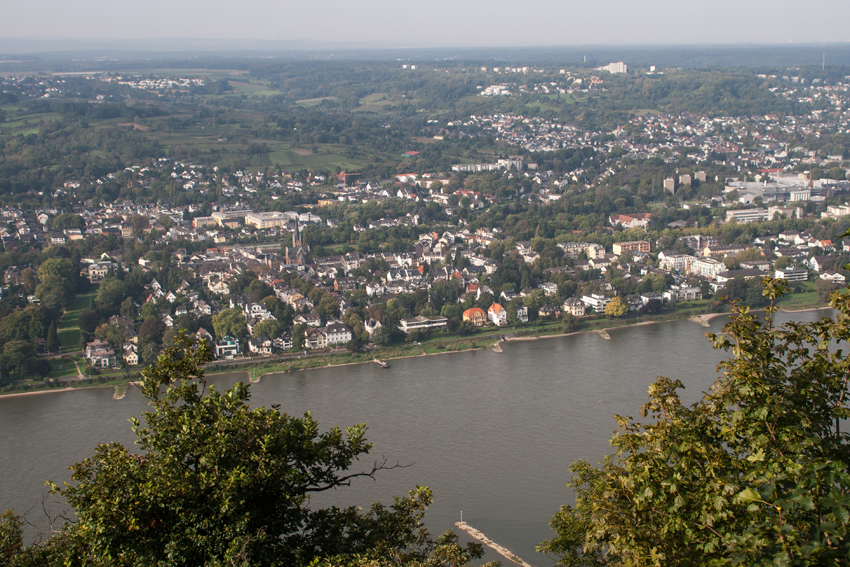
Bad Godesberg is a riverside district of Bonn in southern North Rhine-Westphalia, Germany. It combines residential neighbourhoods, parkland and a compact town centre. The prefix "Bad" indicates a historic spa tradition that shaped its early growth and architectural character.
Image gallery
3 Images

Characteristics and landmarks
The area is distinguished by a mix of 19th- and 20th-century villas, former grand hotels, diplomatic residences and modern office buildings. Public green spaces and a river promenade contribute to its suburban yet urban feel. Typical features include:
- Riverside promenades and leisure areas along the Rhine
- Historic villas and former spa facilities converted for contemporary use
- Local shops, cultural venues and conference spaces serving residents and visitors
History and diplomatic role
Bad Godesberg grew from a spa town into a sought-after residential area in the 19th and early 20th centuries. After the creation of the Federal Republic, and particularly from 1949 while Bonn served as the national seat of government, the district gained international importance. When government functions were transferred toward Berlin in the late 1990s, many diplomatic missions that had their primary chancelleries in Bonn maintained buildings in Bad Godesberg. During the Cold War period Bad Godesberg hosted numerous foreign embassies and diplomatic residences, reflecting Bonn's role as the de facto capital of West Germany; the diplomatic presence is one reason the district remains internationally known (capital of West Germany, foreign embassies, consulates).
Uses and connectivity
Today Bad Godesberg functions as a mixed-use area with residential neighbourhoods, business services, and cultural institutions. Some former embassy buildings now serve as consular offices, company headquarters or conference venues. The district is well connected to central Bonn and neighbouring cities by road and regional rail, making it attractive for commuters and international visitors alike.
Notable facts and distinctions
Beyond its spa origins and diplomatic history, Bad Godesberg is associated with post-war political developments: a major social-democratic policy change known as the Godesberg Program was adopted at a party conference held there, marking its place in political history. Many of its older buildings are preserved and adapted, offering a visible layering of spa-era architecture, Cold War-era diplomacy and contemporary urban life.
Questions and answers
Q: Where is Bad Godesberg located?
A: Bad Godesberg is a district of the city of Bonn in southern North Rhine-Westphalia, Germany.
Q: What was the capital of West Germany from 1949 to 1999?
A: Bonn was the capital of West Germany from 1949 to 1999.
Q: What was the majority of foreign embassies to Germany located in during this time?
A: The majority of foreign embassies to Germany were located in Bad Godesberg.
Q: Are there still embassy branch offices or consulates in Bad Godesberg today?
A: Yes, some buildings are still used as embassy branch offices or consulates.
Q: Is Bad Godesberg a city or a district?
A: Bad Godesberg is a district of the city of Bonn.
Q: In which German state is Bad Godesberg located?
A: Bad Godesberg is located in the state of North Rhine-Westphalia.
Q: What is the significance of Bad Godesberg in relation to foreign embassies?
A: Bad Godesberg was home to the majority of foreign embassies to Germany from 1949 to 1999, and some buildings still serve as embassy branch offices or consulates today.
Tags
Related articles
Author
AlegsaOnline.com Bad Godesberg — district of Bonn and former diplomatic quarter Leandro Alegsa
URL: https://en.alegsaonline.com/art/8170