
Recoil (firearms): causes, effects, and mitigation
Recoil is the rearward motion and muzzle rise of a firearm when it is discharged. This article explains the physics, measurement, historical development, practical effects, and common methods to reduce and manage recoil.
Overview
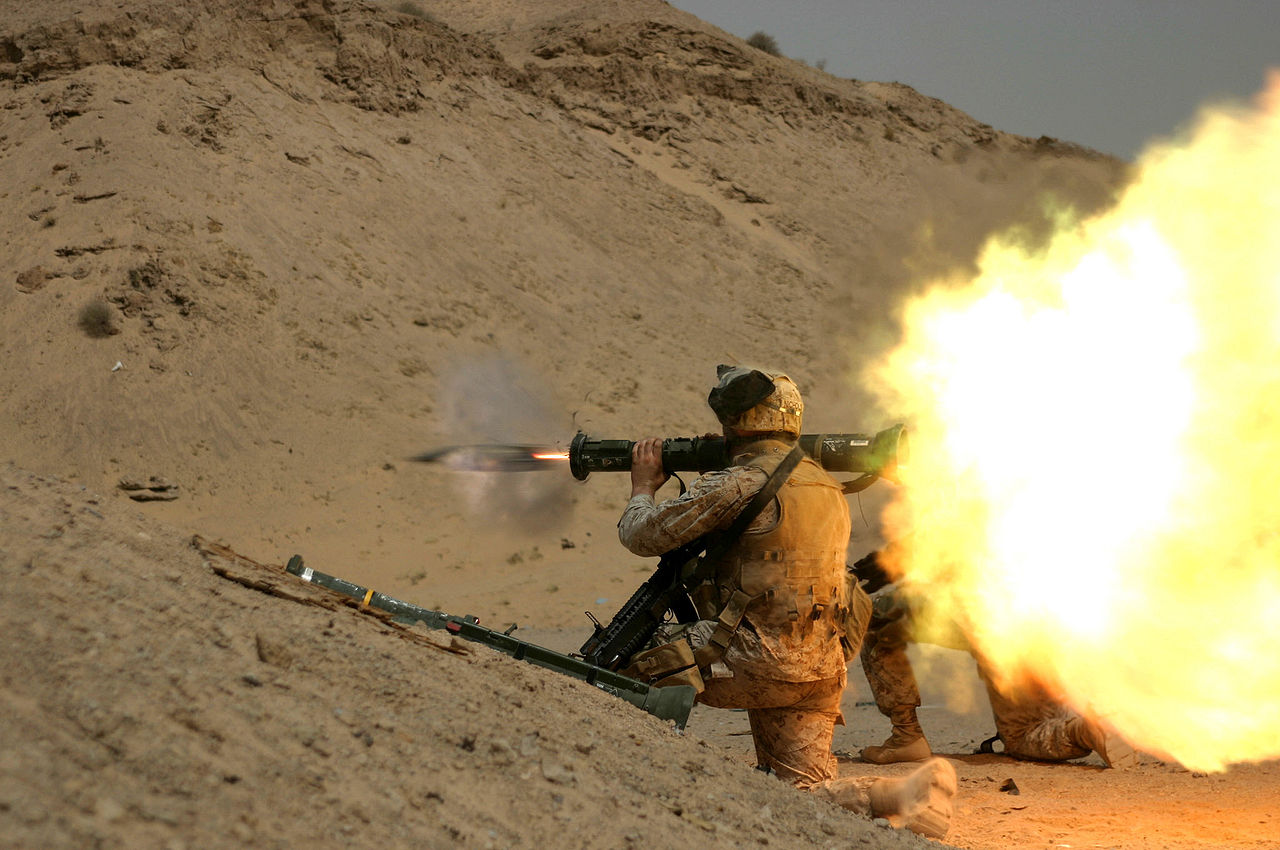
Recoil, often called kick (and sometimes inaccurately referred to as "kickback"), is the backward movement of a firearm and the upward rotation of its muzzle when a shot is fired. It is a reaction to the explosive force that propels a projectile out of the barrel. Shooters of small arms experience the force differently: a handgun user primarily feels it in the hands, while a rifle or shotgun shooter absorbs most of it through the shoulder.
Image gallery
7 Images


Physics and measurement
At its root, recoil follows Newton's third law and conservation of momentum: the forward momentum of the bullet and escaping gases is balanced by rearward momentum of the firearm. In practice, recoil is described in two related ways: "free recoil" (a calculable energy based on masses and velocities) and "felt recoil" (the shooter's subjective perception, influenced by ergonomics and anticipation). Muzzle rise (rotation about the shooter's contact point) is often caused by the offset between the line of bore and the point where the gun contacts the body.
Factors that affect recoil
- Cartridge power: heavier projectiles and higher gas velocity increase recoil.
- Firearm mass: heavier guns generally produce less rearward velocity for the same shot.
- Barrel length and gas escape: longer barrels and retained gas change recoil characteristics.
- Action type: recoil-operated and gas-operated mechanisms can alter felt impulse.
- Stock design, grips, and recoil pads modify how the force transfers to the shooter.
History and development
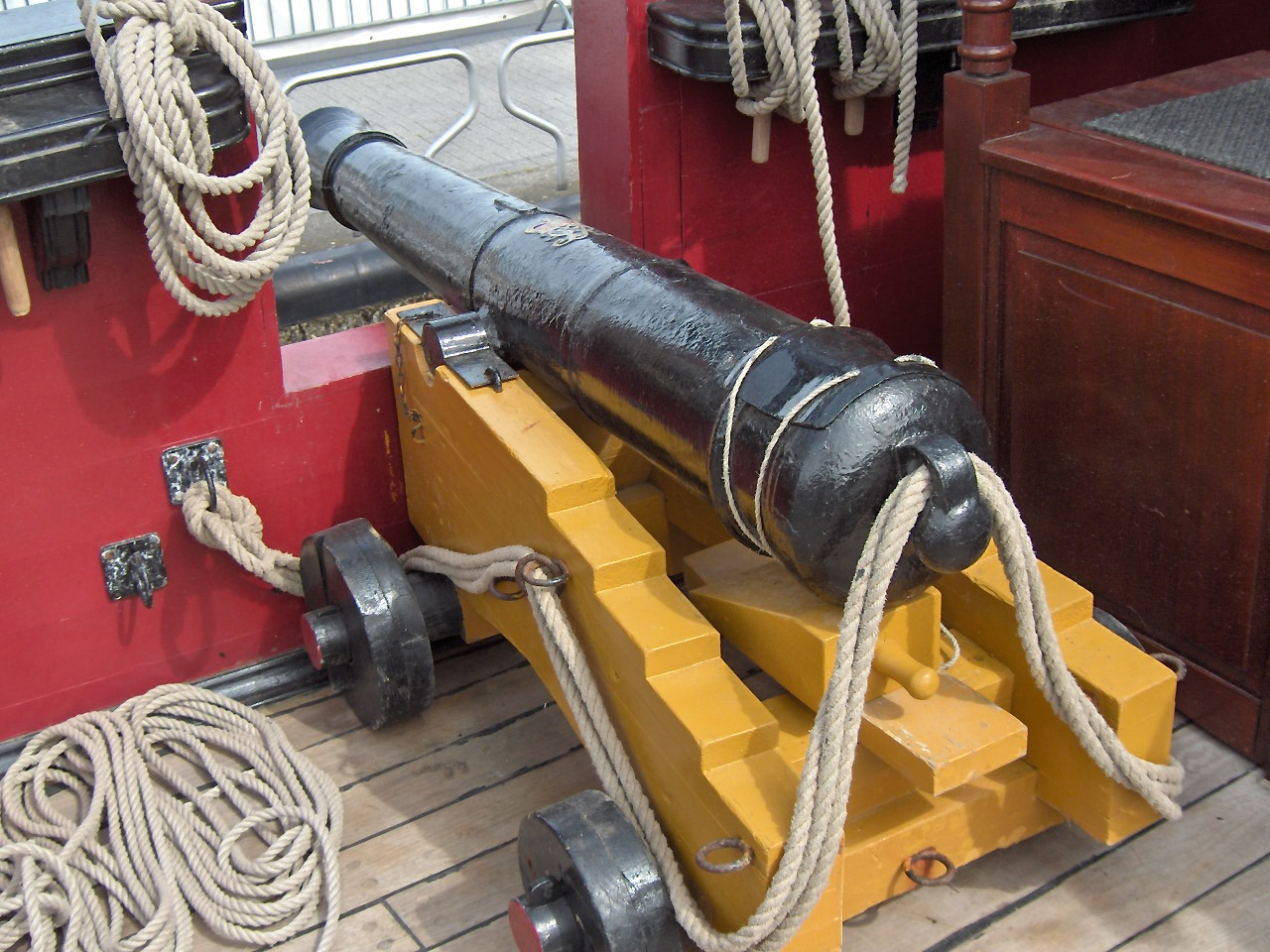
Early hand-held firearms transferred nearly all recoil directly to the shooter, shaping tactics and marksmanship. Over time, designers introduced heavier receivers, shoulder stocks, recoil-absorbing materials, and mechanical systems—such as recoil springs, buffers, muzzle devices, and gas systems—to make weapons more controllable and comfortable. Sporting and military needs drove much of this evolution as accuracy and rapid follow-up shots became more important.
Mitigation and practical techniques
Manufacturers and users reduce recoil with several approaches: muzzle brakes and compensators redirect gases to counter rearward or upward forces; recoil pads and stock geometry spread impact over a larger area; porting and suppressors alter gas flow; and semi-automatic actions use moving parts to absorb energy. Shooters also manage recoil through stance, firm grip, and body positioning to maintain accuracy and reduce fatigue.
Importance and distinctions
Recoil affects accuracy, comfort, follow-up shot speed, and shooter safety. Distinguishing between objective measurements and subjective experience helps when selecting ammunition or firearms. Common misconceptions include confusing recoil with muzzle rise or using "kickback" imprecisely—precise terminology clarifies discussions about design trade-offs and training methods.
For additional technical references and equipment guidelines consult manufacturers, ballistics texts, and reputable instructional sources: explosive force, barrel dynamics, grip and hands, rifle design, shotgun mechanics, shoulder interface.
Questions and answers
Q: What is recoil?
A: Recoil is the tendency of a firearm to move backwards and at the same time the muzzle of the gun to rise when fired.
Q: What causes recoil?
A: Recoil is caused by the explosive force of a bullet leaving the barrel of a firearm.
Q: Who feels the recoil in their hands and arms?
A: Handgun shooters feel the recoil in their hands and arms.
Q: Who feels most of the recoil in their shoulder?
A: Rifle or shotgun shooters feel most of the recoil in their shoulder.
Q: What is the common term used to describe recoil?
A: The common term used to describe recoil is kickback.
Q: Why is kickback an incorrect term for recoil?
A: Kickback is an incorrect term for recoil because recoil is not just a backward movement but also a upward movement of the firearm.
Q: Can recoil be mitigated?
A: Recoil can be mitigated by using a recoil pad on the butt of the firearm, adopting proper shooting stance, and using ammunition that produces less recoil.
Related articles
Author
AlegsaOnline.com Recoil (firearms): causes, effects, and mitigation Leandro Alegsa
URL: https://en.alegsaonline.com/art/81574
Sources
- hunting.about.com : "Definition of Recoil"
- gundigest.com : "The Science of Recoil"
- bsharp.org : "Gun Recoil"
- learnaboutguns.com : "Facts about Recoil, and Guns for People who are Sensitive to Recoil"
- hallowellco.com : "Illustrated Firearms Dictionary"
- stillwaterarmory.com : "Caliber Confusion"
- usacarry.com : "Proper Grip: Guidelines & Techniques for Recoil Control"
- handgunskills.com : "Eliminating Anticipation of Recoil"
- exclusive.multibriefs.com : "7 trigger control errors and how to fix them"
- agirlandagun.org : "Why Hiring a Firearms Instructor is Important"