
Realpolitik: practical statecraft and power-based politics
Realpolitik is a practical approach to politics and diplomacy that prioritizes national interest and power over ideology or moral principles; used to describe pragmatic, often hard-headed statecraft.
Overview
Realpolitik is a term used to describe a pragmatic approach to politics and international relations that emphasizes practical objectives, material interests and power calculations rather than moral ideals or ideological commitments. In common usage it denotes conduct that is guided by what is feasible and effective, not by what is deemed morally desirable. The word is most often applied to diplomatic strategy, statecraft and high-level decision making in which costs, capabilities and strategic advantage are the primary considerations. See also general discussions of politics and competing ideological approaches for context.
Image gallery
4 Images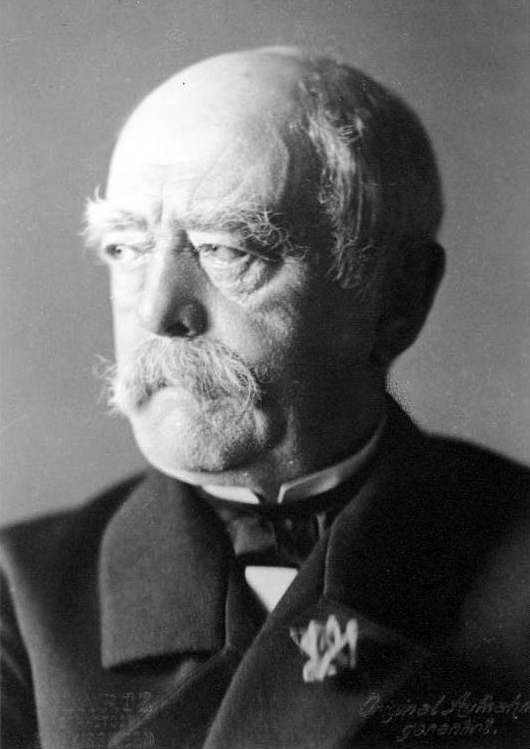



Key characteristics
Realpolitik can be identified by several recurring features. These are not rules so much as tendencies that distinguish it from more idealistic or principle-driven approaches:
- Prioritization of national interest: The state’s security, influence and material gains typically override abstract moral concerns.
- Pragmatism and flexibility: Policies change with circumstances; treaties, alliances and rhetoric are tools rather than sacrosanct commitments.
- Power calculus: Decisions are informed by military, economic and diplomatic capabilities and by an assessment of rival actors’ strengths and intentions.
- Willingness to use coercion or compromise: Covert action, military force, realignment or concessions may be accepted if they secure strategic objectives.
History and development
The concept became prominent in 19th-century Europe as states navigated balance-of-power diplomacy and national consolidation. The German publicist Ludwig von Rochau is often credited with shaping the modern usage: he argued that understanding how power operates is essential for political practice. Contemporary scholars trace roots farther back in political thought to practices described by Machiavelli and to the long history of raison d’état — the argument that state survival can justify measures not defensible on moral grounds. Over time the label "realpolitik" has been applied both descriptively (to explain what leaders did) and normatively (to defend pragmatic choices).
Uses and examples
Realpolitik is most visible in foreign policy but appears in domestic politics when leaders favor stability and influence over ideological purity. Well-known twentieth-century examples often cited in public debate include policymakers who pursued strategic détente, coalition-building across ideological lines, or selective alliances to check rivals. Historians and commentators commonly point to figures such as Henry Kissinger as emblematic of this style of diplomacy, noting his emphasis on power balancing and negotiation in the 1960s and 1970s; see more on his career via Henry Kissinger. The term is also used more broadly to describe pragmatic statecraft in many countries and eras, and is applied to both elected leaders and career politicians.
Criticism, distinctions and notable facts
Realpolitik attracts criticism for sidelining ethical considerations and human rights in pursuit of advantage; opponents argue that short-term gains can sow long-term instability. Distinctions are often drawn between realpolitik and political realism as academic theory: realism is a broader intellectual framework in international relations, while realpolitik is a label for specific pragmatic practices. It is also important to distinguish ruthless opportunism from strategic restraint: many practitioners of realpolitik claim their approach reduces bloodshed or prevents worse outcomes by focusing on feasible solutions.
Further reading and context
To understand the concept fully, readers may explore historical cases and theoretical treatments. Primary discussions of the idea’s origins and practice can be found in writings by nineteenth-century commentators such as Ludwig von Rochau and in modern studies of diplomatic history. For practical illustrations of how realpolitik shapes state action, contemporary analyses of Cold War and post–Cold War diplomacy provide numerous examples. For an accessible summary of the term in everyday use, and how it contrasts with values-driven policy, consult introductory resources on politics and comparative approaches to governance.
Questions and answers
Q: What is Realpolitik?
A: Realpolitik is a system of politics or principles based on practical, rather than moral or ideological considerations.
Q: What does Realpolitik entail?
A: Realpolitik entails acting realistically even if it causes other things to happen that are bad or decisions have to be made that upset your people.
Q: Who was Ludwig von Rochau?
A: Ludwig von Rochau was a 19th century writer and politician.
Q: What did Ludwig von Rochau say about Realpolitik?
A: Ludwig von Rochau described Realpolitik as the study of the powers that shape, maintain and alter the state, which leads to the understanding that the law of power governs the world of states just as the law of gravity governs the physical world.
Q: Who is an example of a realpolitik politician?
A: An example of a realpolitik politician is Henry Kissinger.
Q: What did Henry Kissinger do?
A: Henry Kissinger helped U.S. Presidents in the 1960s and 1970s to expand the power of the United States and its allies.
Q: How do realpolitik practitioners make decisions?
A: Realpolitik practitioners make decisions based on practical considerations and actual circumstances, rather than principles or ideologies.
Related articles
Author
AlegsaOnline.com Realpolitik: practical statecraft and power-based politics Leandro Alegsa
URL: https://en.alegsaonline.com/art/81499