
Rattlesnake
Venomous New World pit vipers recognized by a segmented tail rattle; about 50 species in the genera Crotalus and Sistrurus, native from southwest Canada to central Argentina.
Overview — Rattlesnakes are a group of venomous snakes in the pit viper family, most commonly placed in the two genera Crotalus and Sistrurus. There are roughly fifty described species and numerous subspecies that vary in size, color and habitat. They are native to the Americas, with a range extending from the southwestern provinces of Canada through the United States and Mexico to central Argentina. Rattlesnakes are best known for the hardened, segmented rattle at the tip of the tail, which produces a distinctive warning sound.
Image gallery
10 Images


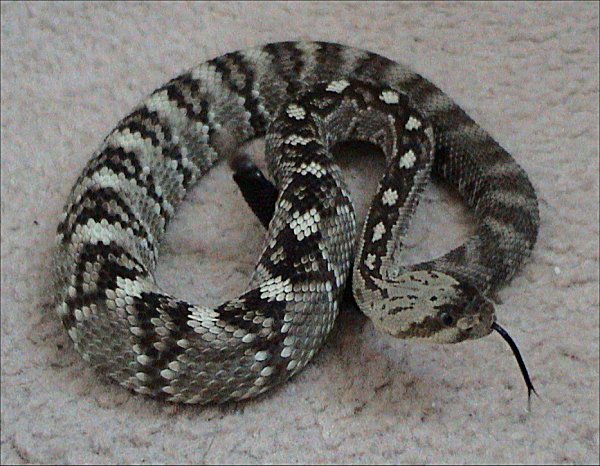


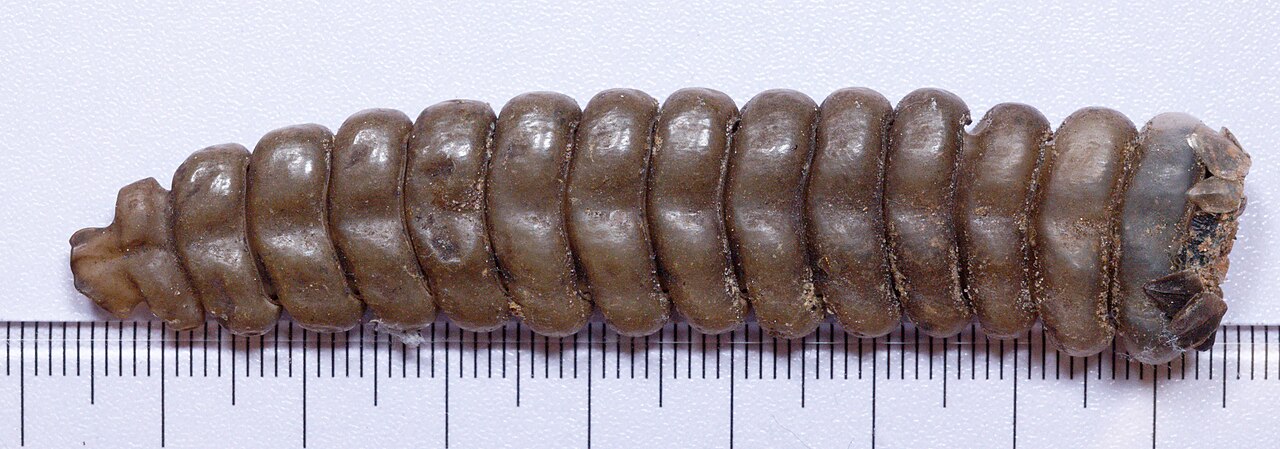

Physical characteristics and sensory adaptations
Like other pit vipers, rattlesnakes have heat-sensitive facial pits located between the eyes and nostrils; these organs detect infrared radiation from warm-blooded prey and aid hunting in low light. Their venom glands deliver a bite that can immobilize prey and begin digestion; venom composition varies among species and populations, containing combinations of proteases and other toxins that affect blood, tissue or nervous system function. The rattle itself is made of interlocking segments of keratin: each time the snake sheds its skin, an extra segment can be added to the base of the rattle. Young snakes are born with a small initial segment called a "button" that will become the rattle as they grow.

Taxonomy, distribution and habitat
Rattlesnakes belong to the subfamily Crotalinae (pit vipers). Species differ in their geographic preferences: many are associated with arid and semi-arid environments such as deserts and scrubland, while others occupy grassland, rocky slopes, oak woodland or riparian corridors. Their range includes desert lowlands and montane zones across North, Central and South America. Local adaptations and color patterns often make species identification possible in the field, though cryptic variation can complicate classification.

Behavior, diet and life history
Rattlesnakes are generally ambush predators that feed on small mammals, birds and occasionally amphibians or reptiles. They rely on camouflage and concealed ambush positions, striking quickly when prey is within reach. Most species give birth to live young (viviparity), a reproductive strategy common to many pit vipers. Juveniles face high mortality from predators including birds of prey and mammalian carnivores; some snakes, notably kingsnakes of the genus Lampropeltis, are known predators of rattlesnakes because they are resistant to certain venoms.

Human interactions and conservation
Rattlesnakes have long featured in human culture, medicine and folklore. Their venom has been studied for biomedical applications, and antivenoms are available to treat serious bites. Human attitudes range from reverence to fear; habitat loss, persecution and collection have impacted some populations, while others remain abundant. Public education about safe behavior—giving snakes space, avoiding sudden movements and not handling wild snakes—reduces conflict and unnecessary killings. Conservation status varies by species and region.
Notable facts and distinctions
- All rattlesnake species possess heat-sensing pits characteristic of pit vipers (venom and reptile links for context).
- The genera split into Crotalus and Sistrurus reflects differences in skull and scale features as well as rattle morphology.
- Some species have highly potent venom affecting different physiological systems; medical response depends on the species and severity of envenomation.
Further reading and resources
Questions and answers
Q: What kind of animal is a rattlesnake?
A: A rattlesnake is a type of snake, which is a reptile.
Q: How many species of rattlesnakes are known?
A: Approximately 50 species of rattlesnakes are known.
Q: What makes the name "rattlesnake" appropriate?
A: The name "rattlesnake" comes from their special tail with several parts on the end that can make a loud bzzzz sound, or rattle. This defends them against predators and large animals.
Q: Where do rattlesnakes live?
A: Rattlesnakes are native to the Americas from southwest Canada to central Argentina, usually in dry areas.
Q: What do rattlesnakes eat?
A: Rattlesnakes typically eat small animals such as birds and rodents. When they are young, many are eaten by birds. When they are adult, they have a particular enemy - the common kingsnake (Lampropeltis getula).
Q: What distinguishes pit vipers from other snakes?
A: Pit vipers have a set of heat-sensing "pits" on their heads which help them find prey and move towards it, even in the dark. This helps distinguish them from other types of snakes.
Q: Are all rattlesnakes equally dangerous?
A: No, some species of rattlesnakes are much more dangerous than others due to their venomous bite.
Related articles
Author
AlegsaOnline.com Rattlesnake Leandro Alegsa
URL: https://en.alegsaonline.com/art/81285