
Ratatouille — Provençal stewed vegetable dish
Ratatouille is a traditional Provençal vegetable stew from Nice, France, made with tomatoes, eggplant, zucchini, peppers, onions and herbs. It has many regional and modern variations.
Ratatouille is a classic dish of southern France, traditionally called ratatouille niçoise when tied to Nice. It is a vegetable-based stew associated with Provençal and Mediterranean cooking. The dish highlights ripe summer produce cooked slowly in olive oil until tender and fragrant. While commonly linked in popular culture to a 2007 film, ratatouille has long roots as a simple, rustic preparation in French home kitchens.
Image gallery
8 Images


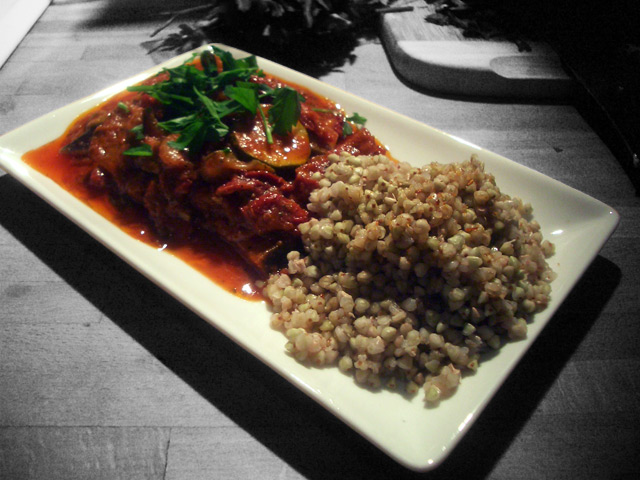
Ingredients and preparation
Typical ingredients include tomatoes, eggplant (aubergine), zucchini (courgette), bell peppers, onions and garlic, seasoned with herbs such as thyme, basil or herbes de Provence and finished with olive oil. Preparation methods vary: vegetables can be sautéed together into a coarse stew, simmered in tomato sauce, or prepared separately and combined to preserve texture. Cucumber is not a customary ingredient; tomatoes or a tomato-based sauce are normally central.
Common forms and serving suggestions
- Traditional stewed: vegetables cooked together until melded into a hearty side.
- Layered or baked versions: slices are arranged and roasted or baked for a refined presentation.
- Cold or room temperature: often served as a salad-like accompaniment in summer.
Ratatouille is versatile: it can accompany grilled meats, fish, eggs, rice, pasta or crusty bread, and is often served as part of a mezze or as a main for vegetarians.
History and name
The dish originates from Provence in southeastern France and became especially associated with Nice. Its name is believed to derive from the French verb touiller (to stir), with the prefix suggesting a rough or rustic mixture; etymologies vary and are not settled. Ratatouille evolved as a peasant dish that made use of abundant summer vegetables and olive oil.
Variations and cultural notes
Regional and modern cooks adapt ratatouille in many ways: some recipes emphasize a slow, stew-like comfort food, others favour precise, layered presentations sometimes called "confit" or "byaldi" style. It fits squarely within Mediterranean dietary patterns—vegetable-forward, plant-rich and olive oil–based. Readers seeking recipes or culinary history can consult general resources on French and Provençal cooking, or sources describing stewed and vegetable preparations typical of the region. The association with Nice remains a defining aspect of its identity.


History
Ratatouille is said to have originally been a purely local dish from the Nice area, which became popular beyond the region in the 20th century. Around 1930, the recipe is said to have been printed for the first time. The name ratatouille had been used in France since the 18th century for simple stews, derived from the verb touiller (to stir). It is possible that the Provençal word rata (simple food, porridge, poor man's food) is included in the name.
Heyraud, the author of La Cuisine à Nice, who is said to have been one of the first to publish the recipe, described ratatouille as a ragout of aubergines, tomatoes, courgettes and peppers. In addition to the name ratatouille, it was also known as sauté à la niçoise and, particularly in Nîmes, as bourbouillade.
Popular Culture
In pop culture, the dish was given a prominent role in the movie Ratatouille, in which a Norway rat cooks the dish for a restaurant critic.
Related articles
Author
AlegsaOnline.com Ratatouille — Provençal stewed vegetable dish Leandro Alegsa
URL: https://en.alegsaonline.com/art/81254
Sources
- etymonline.com : "Online Etymology Dictionary"
- en.wikibooks.org : Cookbook
- en.wikibooks.org : Ratatouille