
Rat snake
Rat snakes are medium-to-large, mostly nonvenomous colubrid snakes found largely in the Northern Hemisphere; they prey on rodents and birds and include several popular pet species such as the corn snake.
Rat snakes are a diverse group of medium to large constricting snakes native primarily to the Northern Hemisphere. They occupy a wide range of habitats — from forests and farmland to wetlands and urban edges — and are commonly associated with rodent-rich environments. For general distribution information see distribution references.
Image gallery
7 Images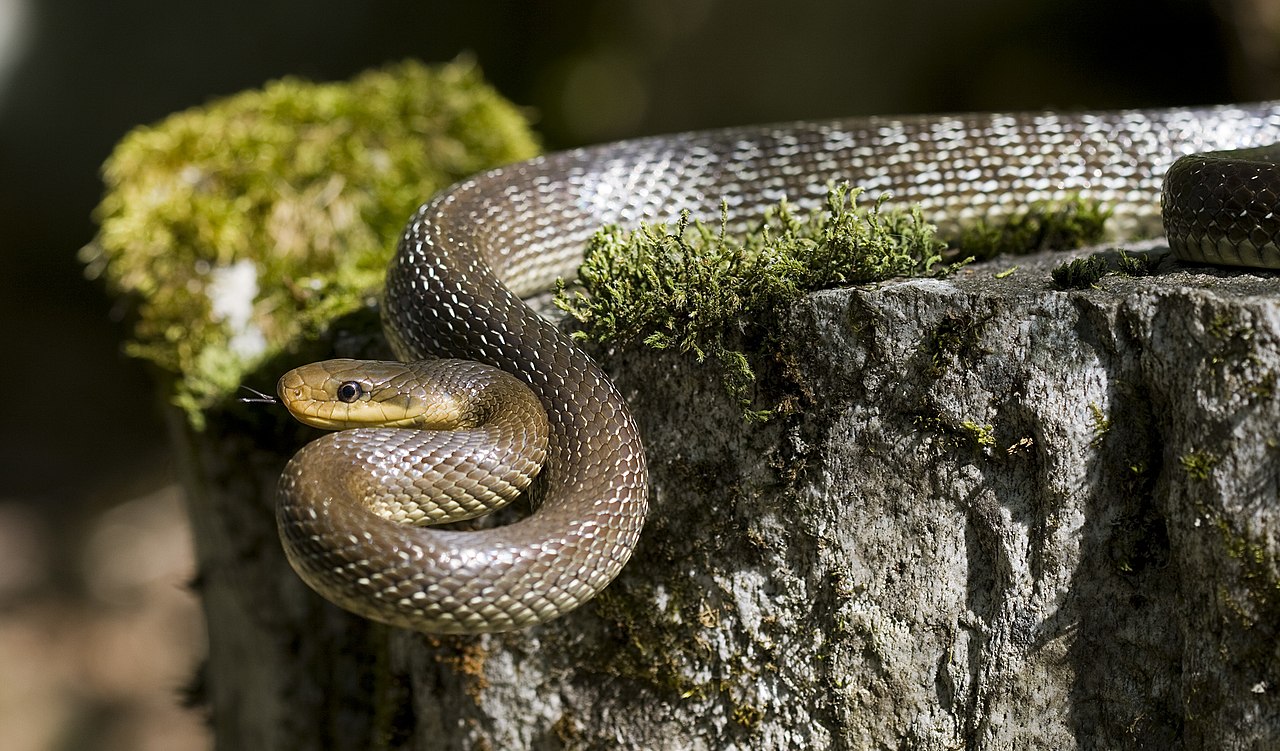


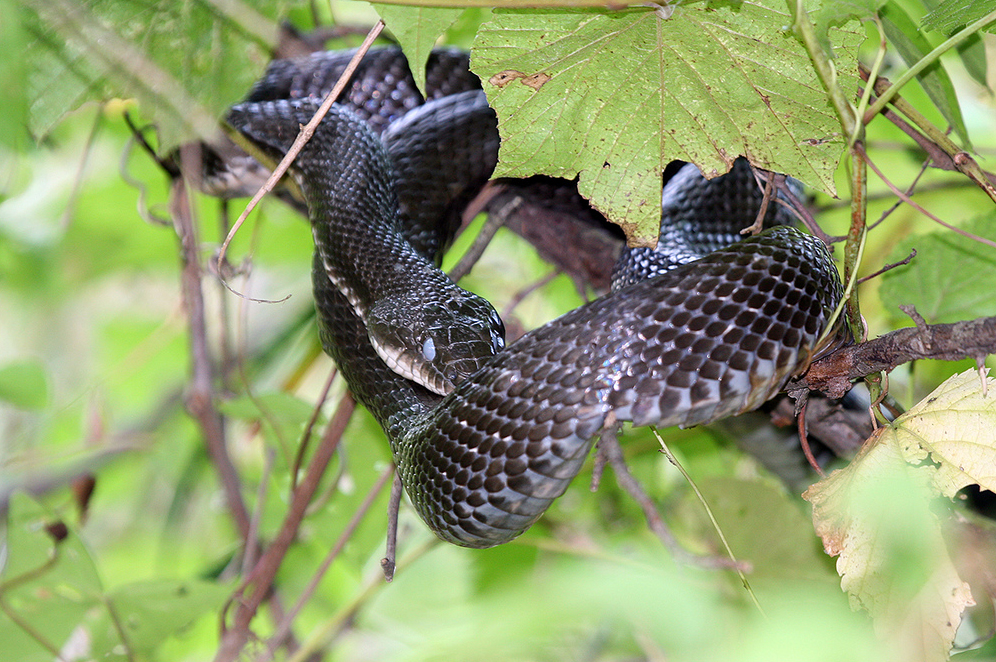


Physical characteristics and taxonomy
Members of the group vary considerably in size and color. Many are patterned with blotches or stripes that provide camouflage. Some species may exceed 3 m (about 10 feet) in length, while others remain much smaller. Rat snakes have slender bodies, relatively narrow heads, and smooth or faintly keeled scales depending on the species. Taxonomically they have been placed in several related genera over time as herpetologists revised classifications; these changes reflect ongoing research into their relationships.
Diet, behavior, and ecology
Rat snakes are primarily terrestrial but many are excellent climbers and will ascend trees, barns and walls to raid bird nests. Their diet is dominated by small mammals (especially rodents) and birds; see more on their prey types at rodent diet sources and bird predation studies. Because they control populations of rodents, they occupy important ecological roles and can be significant predators in local food webs, sometimes reaching high trophic levels in certain ecosystems (ecological context).
When threatened, many rat snakes exhibit defensive behaviors such as fleeing, freezing (remaining motionless to avoid detection), hissing, vibrating their tails or striking. Freezing behavior can make them particularly vulnerable to road traffic. Historically they were regarded as entirely nonvenomous; modern research has detected mild toxins in the saliva of some species but these are not considered dangerous to humans.
Relationship with people
Several rat snakes are commonly kept as pets because of their generally manageable size, attractive coloration and relatively easy care compared with more demanding reptiles. The corn snake in particular is among the most popular reptile pets worldwide and is often referenced in reptile-keeping literature (corn snake resources). Other species are prized by hobbyists but can be more sensitive or defensive in captivity; sources describing temperament differences are available (pet-keeping notes, behavioral cautions).
- Typical prey: small mammals and birds (including eggs and nestlings).
- Habitat: woodlands, fields, marsh edges, agricultural areas and buildings.
- Human interactions: useful for pest control, commonly encountered near structures, sometimes kept as pets.
- Safety: bites are uncommon and not medically significant for most people; handling should still be cautious and informed.
Rat snakes illustrate how a group of broadly distributed, adaptable snakes can be both ecologically beneficial and culturally valued as pets. Their variety in form and behavior, combined with ongoing taxonomic and biological study, makes them a frequent subject of interest for naturalists and herpetoculturists.
Questions and answers
Q: Where are rat snakes commonly found?
A: Rat snakes are mostly found in the northern hemisphere.
Q: What do rat snakes primarily feed on?
A: Rat snakes primarily feed on rodents and birds.
Q: What is the size range of rat snakes?
A: Rat snakes can range from medium to large, with some species being over 3 m (10 feet) long.
Q: Where do rat snakes fall in the food chain?
A: Rat snakes are on the top levels of some food chains.
Q: What is the most popular reptile pet in the world?
A: The corn snake is one of the most popular reptile pets in the world.
Q: Are rat snake bites dangerous?
A: No, rat snake bites are not dangerous, although some species can be very sensitive and sometimes aggressive.
Q: Do all rat snakes lack venom?
A: No, recent studies have shown that some rat snakes have harmlessly small amounts of venom in them, although they were long thought to be completely nonvenomous.
Related articles
Author
AlegsaOnline.com Rat snake Leandro Alegsa
URL: https://en.alegsaonline.com/art/81249