
Raphael Lemkin: Originator of the Legal Concept of Genocide
Polish-Jewish lawyer Raphael Lemkin (1900–1959) coined the term genocide and led the international campaign that shaped the UN Genocide Convention and modern prosecutions against mass atrocity.
Raphael Lemkin was a Polish-born lawyer and scholar whose work transformed how states and international bodies treat mass killing. Born in 1900 into a Polish-Jewish family, Lemkin trained in law and became preoccupied with the legal and moral consequences of mass violence. He is widely credited with creating the legal concept that would become known as genocide, and with pressing governments and international organizations to recognize it as a distinct crime.
Image gallery
4 Images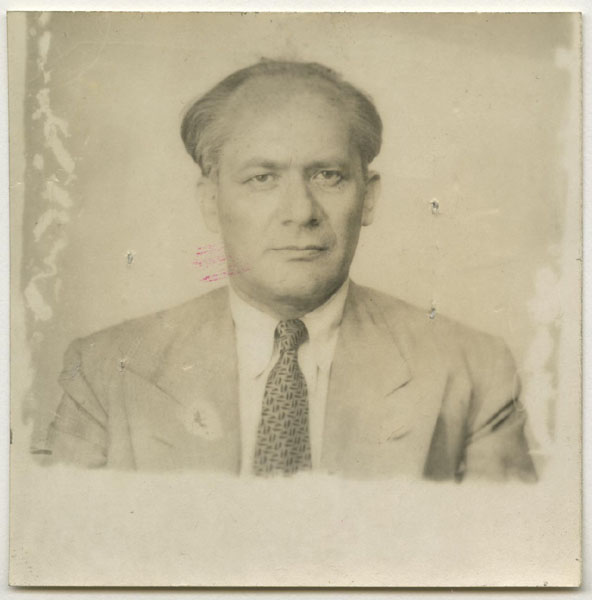


Life and early work
Lemkin studied law and was fluent in several languages. He drew early inspiration from state-sponsored campaigns of extermination and cultural destruction, including the late Ottoman-era atrocities commonly identified as the Armenian Genocide. Before the outbreak of World War II, he appealed to institutions such as the League of Nations to outlaw systematic attacks on groups. His background as a lawyer informed a career-long effort to turn moral outrage into enforceable legal norms.
Coinage and definition
Lemkin coined a new word in the 1940s to capture combined elements of mass killing and group destruction. He drew on the roots genos (a term from Greek referring to family, race or tribe) and the suffix -cide (from Latin, meaning killing). The neologism—linked in some accounts to work he published in the 1943–1944 period—was designed to name both physical extermination and deliberate measures to erase a group's cultural existence.
Impact and the international response
In the aftermath of the Second World War Lemkin pressed for legal instruments to prevent and punish genocide. He lobbied states and participated in drafting efforts that influenced the postwar United Nations framework. His advocacy contributed to the emergence of the 1948 international treaty that defined genocide as an international crime and established obligations for prevention and punishment.
Legacy, use, and debates
Lemkin's work left a lasting imprint on international law, humanitarian policy, and human-rights advocacy. His term gave activists and jurists a precise label for prosecuting crimes against groups. At the same time, legal scholars and practitioners continue to debate the definition's scope—such as the required intent, protected groups, and whether cultural destruction qualifies alongside killing. These discussions reflect the complexity of translating moral concepts into enforceable law.
Selected contributions
- Popularized the concept and term genocide to describe group-targeted destruction.
- Advocated at the League of Nations level and later with UN bodies for legal protections.
- Authored influential writings during the World War II era and afterward that framed legal responses to atrocities.
- Left a legacy central to modern international criminal law and prevention efforts.
For additional background on his life and writings see resources in Polish (Rafał Lemkin) and accounts of his legal career in Poland and abroad.
Questions and answers
Q: Who was Raphael Lemkin?
A: Raphael Lemkin was a lawyer of Polish-Jewish descent.
Q: What was Lemkin interested in before World War II?
A: Before World War II, Lemkin was interested in the Armenian Genocide.
Q: What did Lemkin campaign for in the League of Nations?
A: Lemkin campaigned in the League of Nations to ban what he called "barbarity" and "vandalism".
Q: What is Raphael Lemkin best known for?
A: Raphael Lemkin is best known for his work against genocide.
Q: What did Lemkin coin in 1943?
A: Lemkin coined the term "genocide" in 1943.
Q: What is the origin of the word "genocide"?
A: The word "genocide" was coined from the root words genos (Greek for family, tribe or race) and -cide (Latin for killing).
Q: What was Lemkin's contribution to the fight against genocide?
A: Lemkin's contribution was to raise awareness about genocide and to promote its recognition as an international crime.
Related articles
Author
AlegsaOnline.com Raphael Lemkin: Originator of the Legal Concept of Genocide Leandro Alegsa
URL: https://en.alegsaonline.com/art/81192