
Quiet Riot — American heavy metal band and cultural impact
Quiet Riot rose from the 1970s Los Angeles scene to mainstream success with Metal Health and “Cum On Feel the Noize.” Known for lineup changes, influential guitar work and a role in popularizing 1980s metal.
Overview
Quiet Riot is an American heavy metal band that attained widespread commercial success in the early 1980s. Their 1983 album Metal Health and the single "Cum On Feel the Noize" became emblematic of a moment when heavy rock crossed into the mass market, helped by FM radio and the emerging influence of MTV. Their music combined loud, riff-driven guitars, singalong choruses and a theatrical stage presence that aligned with the era's hard rock and glam-influenced metal scenes.
Image gallery
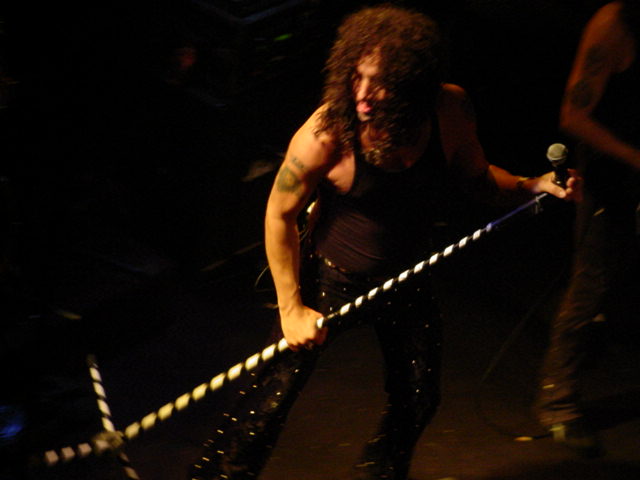
4 Images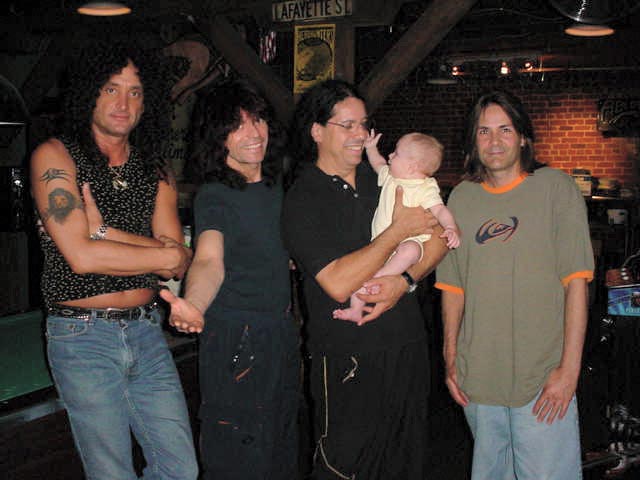


Origins and early years
The group began in the Los Angeles area in the mid-1970s. Guitarist Randy Rhoads and bassist Kelly Garni founded a band that evolved through names such as Mach 1 and Little Women before adopting the Quiet Riot moniker in 1975. Early lineups featured vocalist Kevin DuBrow and drummer Drew Forsythe. An oft-repeated anecdote credits a remark by English musician Rick Parfitt of Status Quo for the band’s name: Parfitt commented that a phrase sounded like "quiet riot," and the name stuck. These formative years saw the young band developing a tight, energetic live act on the Southern California club circuit.
Breakthrough with Metal Health
The band's breakthrough came with Metal Health, whose title track and album became staples of mainstream rock radio. The record reached a level of commercial success that signaled heavy metal's broader market potential; the cover of Slade's "Cum On Feel the Noize" in particular introduced Quiet Riot to a much larger audience. The combination of catchy hooks, aggressive guitar work and a stadium-friendly sound secured the band's place in early 1980s rock culture.
Members and lineup changes
Quiet Riot is notable for frequent personnel changes across its history. Original frontman Kevin DuBrow was a central figure whose vocal style and outspoken personality shaped the band's public image. Drummer Frankie Banali became a long-serving member and, for many years, was the band's public leader and manager. Other musicians, including bassists and guitarists who recorded and toured with the group, have rotated through multiple incarnations; notable contributors include Chuck Wright and guitarist Alex Grossi in later lineups. These changes affected the band's musical direction while keeping the Quiet Riot name active in various forms.
Style, influence and legacy
Musically, Quiet Riot combined elements of hard rock, early heavy metal and the visual flair associated with 1980s glam metal. Their success demonstrated that heavier-sounding bands could sell large numbers of records and attract mainstream media attention. As a result, record labels and radio programmers increasingly supported other metal acts, contributing to a broader commercial metal movement in the decade that followed. Media retrospectives have recognized Quiet Riot's contribution to hard rock's expansion; for example, the band appears on VH1's lists acknowledging influential hard-rock artists here.
Notable recordings and songs
- Metal Health (Bang Your Head) — anthemic title track and live favorite.
- Cum On Feel the Noize — a high-profile cover of a Slade song that broadened their audience.
- Other albums and singles — Quiet Riot released several records before and after their commercial peak, reflecting shifts in personnel and production.
Later years and historical perspective
After their peak in the early 1980s, Quiet Riot experienced periods of inactivity, reformation and touring under different lineups. Members pursued other projects at times, and the band returned repeatedly for tours and new recordings. Historical accounts and music histories place the band among those that helped bridge underground hard rock and the mainstream entertainment industry in the 1980s, even as critical assessments vary. For fans and historians, the story of Quiet Riot illustrates how particular songs and albums can reshape a band's fortunes and influence the development of a musical genre.
Further information and resources
Detailed band histories, discographies and interviews with former members provide deeper perspectives on Quiet Riot's changing lineups, recording sessions and touring history. Biographical entries on founding members such as Randy Rhoads and profiles of vocalists like Kevin DuBrow are useful for understanding early artistic direction, while retrospective pieces about long-term contributors such as Frankie Banali discuss management and continuity. For overviews of the genre and related acts, consult general heavy metal surveys and dedicated band profiles that place Quiet Riot in the wider context of 1970s–1980s rock and metal music.
Questions and answers
Q: Who is Quiet Riot?
A: Quiet Riot is an American heavy metal band.
Q: What are their most famous songs?
A: Their hit singles are "Cum On Feel the Noize" and "Metal Health".
Q: When was the band started and by whom?
A: The band was started in 1973 by guitar player Randy Rhoads and bass player Kelly Garni.
Q: How many times did the band change its name?
A: They changed their name twice, first calling themselves Mach 1, before changing the name to Little Women and finally Quiet Riot in May 1975.
Q: Who were the members of the first Quiet Riot lineup?
A: The first lineup featured lead singer Kevin DuBrow, Rhoads, Garni, and drummer Drew Forsythe.
Q: Who are the current members of Quiet Riot?
A: The current lineup has no starting members and includes lead singer Scott Vokoun, drummer Frankie Banali, bass player Chuck Wright, and guitar player Alex Grossi.
Q: How did the band get its name?
A: The band's name came from a conversation with Rick Parfitt of British band Status Quo in which Parfitt said he'd like to name a band "Quite Right". With his thick English accent, it sounded like he was saying "Quiet Riot".
Related articles
Author
AlegsaOnline.com Quiet Riot — American heavy metal band and cultural impact Leandro Alegsa
URL: https://en.alegsaonline.com/art/80549
Sources
- dailypilot.com : Daily Pilot: Quieting the noize