
King's Counsel: senior advocates in Commonwealth law
An overview of King's Counsel (KC): their role, privileges, appointment, history and differences across jurisdictions in the Commonwealth legal systems.
Overview
King's Counsel, styled with the postnominal KC (known as Queen's Counsel, QC, during the reign of a female sovereign), are experienced advocates appointed to a senior rank in several Commonwealth legal systems. The title marks professional distinction: it recognises lawyers who have demonstrated skill, leadership and advocacy in higher courts and who are called on to handle the most important or complex cases.
Image gallery
2 Images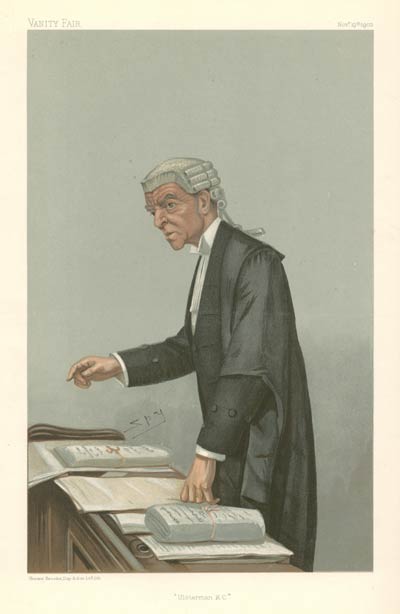

Role and privileges
Appointees retain their regular legal qualifications and status as barristers, advocates or solicitors, rather than forming a separate class of practitioner. Their elevated position brings customary privileges in court and professional life, including:
- Priority of audience: often instructed for major trials and appeals because of specialist experience.
- Sitting within the bar: the traditional right to sit within the inner bar in some courts, reflecting historic divisions of the profession.
- Dress and style: a distinctive silk gown and other robes, which is why appointment is informally called "taking silk" and holders are nicknamed "Silks".
Appointment and typical qualifications
Appointments are usually made by or in the name of the Crown by instruments such as letters patent, and their status is recognised by the courts and the legal profession. Selection criteria vary by jurisdiction but commonly include proven excellence in advocacy, a sufficient period of practice (often a decade or more), integrity, and contributions to the law. In many places the process now involves formal applications, peer references and assessment panels rather than only private recommendation.
Although historically limited to barristers or advocates, several jurisdictions have extended eligibility to experienced solicitors and other legal practitioners, reflecting changes in professional roles and court practice.
History and variations
The office grew from royal legal advisers and counsel who served the sovereign and the Crown. Over centuries it developed into an honorific and functional rank within adversarial court systems across the Commonwealth, with each country adapting the institution to local procedures. Some jurisdictions use the title differently, retain separate honours, or have abolished or reformed the system; others continue to appoint KCs as a mark of seniority.
Practical effects and notable distinctions
Being appointed KC commonly affects a lawyer's practice: KCs typically command higher fees, are briefed on more complex matters, and lead legal teams. They usually work with one or more junior counsel who assist in preparation and hearing — these assistants are conventionally called "juniors" regardless of relative career length. The title is ceremonial and practical: it signals expertise to courts, clients and peers, but does not by itself confer new coercive powers or rights beyond those recognised in the relevant jurisdiction.
Further reading
For more information on usage and procedures in particular countries, see dedicated resources on appointment processes, historical origins and court customs: appointment overview, Commonwealth contexts, letters patent, and comparative notes at legal practice guides and court protocol summaries.
Questions and answers
Q: What is the meaning of King's Counsel?
A: King's Counsel or KC postnominal refers to senior lawyers in Commonwealth countries recognized by the courts and appointed by letters patent to be one of "His Majesty's Counsel learned in the law".
Q: Is Queen's Counsel the same as King's Counsel?
A: Yes, Queen's Counsel or QC is the title given to senior lawyers in Commonwealth countries during the reign of a female sovereign, while King's Counsel or KC is the title given during the reign of a male sovereign.
Q: What is the significance of the silk gowns worn by King's Counsel?
A: The silk gowns worn by King's Counsel are a special design, and they are the reason why becoming a KC is often called "taking silk". The privilege of sitting within the Bar of court is also reserved for KCs and their higher status is given by the Crown and recognized by the courts.
Q: How long does a lawyer typically have to serve as a barrister to be appointed as King's Counsel?
A: To "take silk" and become a King's Counsel, a lawyer usually has to serve for at least 10 years as a barrister or a Scottish advocate.
Q: Are there any other requirements to become a King's Counsel?
A: Apart from serving as a barrister for at least 10 years or a Scottish advocate, there are no prescribed requirements for becoming a King's Counsel.
Q: What is the role of the "junior" assistant for a King's Counsel?
A: A "junior" assistant is always required to work with a King's Counsel, even if the junior has been a lawyer longer than the "silk". Their role is to assist the KC and help them with their cases.
Q: How is King's Counsel different from other lawyers?
A: King's Counsel is not a separate type of lawyer, but rather a status given to senior lawyers recognized by the Crown and the courts. They wear a special silk gown and charge higher fees than ordinary barristers.
Related articles
Author
AlegsaOnline.com King's Counsel: senior advocates in Commonwealth law Leandro Alegsa
URL: https://en.alegsaonline.com/art/80468