
Isabella (Zabel), Queen of the Armenian Kingdom of Cilicia
Isabella (Zabel) of Cilician Armenia was a 13th‑century queen whose inheritance, marriages and dynastic role shaped the kingdom’s relations with Crusader states and regional powers.
Isabella of Armenia, commonly called Zabel, was the ruling queen of the Armenian Kingdom of Cilicia in the first half of the 13th century. She is recorded as succeeding her father as heir and reigning from 1219 until about 1252. Her reign illustrates the complex interplay of dynastic succession, noble influence and external diplomacy that characterized Cilician Armenia.
Image gallery
2 Images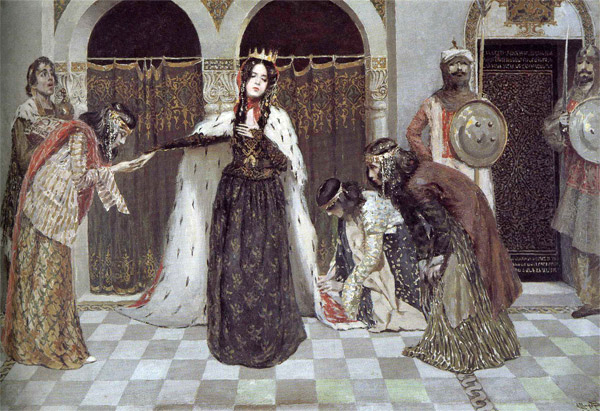

Background and claim
Isabella was the daughter of King Leo of Cilician Armenia and Sybilla of Lusignan, linking the Armenian royal house with the Lusignan dynasty of Cyprus. Her father designated her as his heir, a decision that aimed to secure continuity but also exposed the kingdom to competing aristocratic and foreign interests. The Armenian Kingdom of Cilicia occupied a strategic position on the northeastern Mediterranean coast, serving as a commercial and diplomatic bridge between Western Crusader states, Byzantium and neighboring Muslim polities; historians often note how succession issues in Cilicia had wider regional consequences (Armenian Kingdom of Cilicia).
Marriages and political consequences
Isabella married twice. Her first marriage, in 1223, was to Philip, son of Bohemund IV of Antioch, a union reflecting close ties with the Principality of Antioch. That marriage was brief: Philip was killed in 1225 amid the factional violence and shifting alliances that affected the Crusader states and their neighbors. In June of the following year she was compelled by powerful Armenian barons to wed Hethum (Hetoum). The forced marriage, solemnized on 14 June 1226, brought Hethum into effective rule: he acted as co‑ruler and became the dominant political figure in Cilicia, leading the kingdom through a turbulent mid‑13th century (1226–1270).
Family, authority and succession
The marriage produced several children who continued the dynasty and supplied successors and claimants in later decades. Although Isabella held the royal title, the practical exercise of authority was often shaped by the relative power of her husband, leading nobles and external allies. Such arrangements were common in medieval polities where female inheritance intersected with masculine military and political leadership; the settlement around Isabella and Hethum stabilized one line of succession while also generating rivalries that resurfaced in later generations.
Historical significance and context
Isabella’s reign is significant for what it reveals about gender, power and diplomacy in the medieval eastern Mediterranean. Her forced marriage to Hethum is frequently cited as an example of aristocratic intervention in royal marriage policy, and her tenure demonstrates how the fortunes of a small kingdom could be tied to marriage alliances with Crusader houses and local dynasts. Under the joint influence of Isabella’s lineage and Hethum’s leadership, Cilician Armenia continued to be an important conduit for trade and for contacts between Latin Europe and neighboring powers.
- Reign: Heiress proclaimed by her father; nominal ruler 1219–c.1252 (start date, approximate end).
- Marriages: Philip of Antioch (1223–1225) and Hethum I (married 14 June 1226), the latter becoming co‑ruler (1226–1270).
- Legacy: Dynastic continuity through multiple children and a political course that tied Cilicia to Crusader and regional politics (regional role).
For chronological anchors and introductory references to Isabella’s life and times, see the linked date entries and short studies provided above; these offer starting points for contemporary chronicles and modern scholarship on Cilician Armenia and its interactions with Crusader polities (marriage 1223, 1225 events, June).
Questions and answers
Q: Who was Isabella, Queen of Armenia?
A: Isabella was the Queen of the Armenian Kingdom of Cilicia from 1219 to 1252.
Q: Who were Isabella's parents?
A: Isabella's parents were Leo II of Armenia and Sybilla of Lusignan, daughter of Amalric I of Cyprus.
Q: Who named Isabella as his heir?
A: Leo II of Armenia named Isabella as his heir.
Q: How many times was Isabella married?
A: Isabella was married twice.
Q: Who was Isabella's first husband?
A: Isabella's first husband was Philip, son of Bohemund IV of Antioch.
Q: Who was Isabella's second husband?
A: Isabella's second husband was Hethum (or Hetoum) I, who co-ruled (or ruled) Armenia from 1226 to 1270.
Q: How many children did Isabella have with Hethum I?
A: Isabella had six children with Hethum I.
Related articles
Author
AlegsaOnline.com Isabella (Zabel), Queen of the Armenian Kingdom of Cilicia Leandro Alegsa
URL: https://en.alegsaonline.com/art/80457