
Qinhuangdao: Coastal City of Hebei Province, China
Qinhuangdao is a port city in northeastern Hebei Province, China, known for its coastal location on the Bohai Sea, historic Shanhaiguan, the Beidaihe resort area, and its role as an economic and tourist center.
Qinhuangdao is a prefecture-level city on the northeastern coast of China. Administratively part of Hebei Province, it sits on the shore of the Bohai Sea about 300 kilometres east of Beijing. The city's Chinese name (秦皇岛) is commonly translated as "Emperor Qin's Island," a reference to local legends that link the area to Emperor Qin Shi Huang and his expeditions in search of immortals (xian). Qinhuangdao has both urban and coastal districts and had a population of roughly 2.99 million at the 2010 national census.
Image gallery
10 Images


Geography and climate
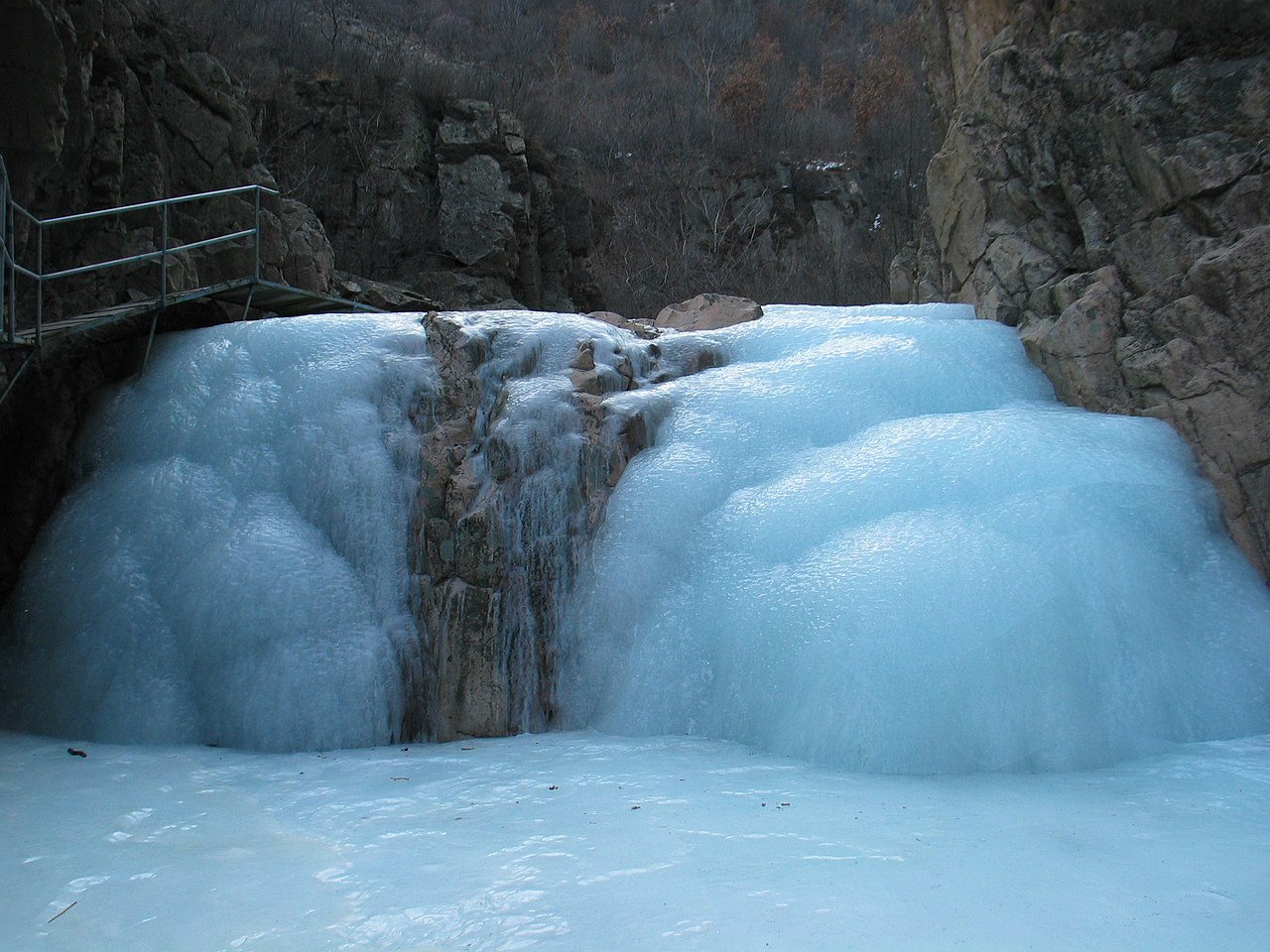
Qinhuangdao faces the Bohai Sea and includes beachlines, hills, and small offshore islands. The city’s coastal position gives it a maritime climate with four distinct seasons: cool, windy winters and warm, humid summers moderated by sea breezes. The area's shoreline, dunes and nearby green belts are important for local tourism and ecology, while river valleys and low hills inland support urban expansion and transport corridors that link to the national highway and rail networks.
Historical background and name
The place name reflects long-standing local traditions. According to legend, Emperor Qin Shi Huang sent envoys from the region on voyages in search of immortals and elixirs, a story that gave rise to the phrase "Emperor Qin's island" and to pilgrimage and remembrance sites. Historically, the city grew around strategic coastal fortifications—most famously Shanhaiguan, where the Ming-dynasty Great Wall reaches the sea. These sites mark Qinhuangdao’s role as a historical gateway between the northeastern plains and the maritime routes of northern China.
Economy, port and transport
Qinhuangdao is an important northern port and industrial center. It is one of China’s designated coastal open cities and hosts port facilities that handle bulk cargo, especially coal and other commodities. The municipality also includes state-level economic and technological development zones intended to attract investment and manufacturing. Transport links include major rail lines connecting to Beijing and northeastern provinces, national highways, and regional ferry and shipping services that use the local harbors.
Tourism, culture and notable sites
Tourism is a significant sector. Beidaihe, a seaside district of Qinhuangdao, is a long-standing resort area prized for beaches, birdwatching and summer leisure. Shanhaiguan (also called the "First Pass Under Heaven") is a major historic attraction where the Great Wall meets the sea; the site contains gates, battlements and museums interpreting its military and architectural history. Other attractions include coastal parks, mountain trails, and cultural museums that present the city’s maritime history and regional traditions.
Attractions and visitor information
- Shanhaiguan—historic gate and Great Wall terminus
- Beidaihe—coastal resort district with beaches and promenades
- Yansai and local parks—natural scenery and birdwatching
- Maritime museums and development zones with industrial tours
For further reading and practical information about administration, travel and local services, consult official city resources and regional guides: Qinhuangdao city information, provincial portals and national travel resources. The city's combination of historic sites, coastal scenery and port infrastructure gives it a distinctive role in northern China’s economy and tourism. Environmental management of coastal areas and sustainable development of port and resort zones remain active concerns as the city balances growth with conservation.
Questions and answers
Q: What is Qinhuangdao?
A: Qinhuangdao is a city in the north of China.
Q: What is the meaning of Qinhuangdao in Chinese?
A: Qinhuangdao means "island of the Qin Emperor" or "Emperor Qin's island".
Q: What did Emperor Qin Shi Huang send men to search for in Qinhuangdao?
A: Emperor Qin Shi Huang sent men to search for immortals, or living beings who cannot die or grow old, across the sea in Qinhuangdao.
Q: Where is Qinhuangdao located?
A: Qinhuangdao is located in Hebei Province, about 300 kilometres (190 mi) east of Beijing, on the Bohai Sea.
Q: How many people lived in Qinhuangdao as of 2010?
A: As of 2010, Qinhuangdao had 2,987,605 people.
Q: What is Qinhuangdao's importance in north China?
A: Qinhuangdao is one of fourteen coastal open cities, which are important foreign trade ports in north China.
Q: What are some famous scenic spots in Qinhuangdao?
A: Some famous scenic spots in Qinhuangdao include Shanhaiguan and Beidaihe.
Related articles
Author
AlegsaOnline.com Qinhuangdao: Coastal City of Hebei Province, China Leandro Alegsa
URL: https://en.alegsaonline.com/art/80336
Sources
- travelchinaguide.com : "Qinhuangdao Transportation -- Getting There"