
Q fever (infection with Coxiella burnetii)
Q fever is a zoonotic infection caused by Coxiella burnetii. It spreads from livestock and pets to people, primarily by inhaling contaminated aerosols; disease ranges from mild flu-like illness to chronic endocarditis.
Overview
Q fever is a zoonotic illness caused by the bacterium Coxiella burnetii. It occurs worldwide and primarily involves livestock such as sheep, goats and cattle, but a variety of domestic and wild animals can carry the organism. Human illness ranges from asymptomatic infection to acute febrile disease and, less commonly, a chronic form that may be severe. The bacterium can survive in the environment in a resistant state, which contributes to airborne transmission.
Image gallery
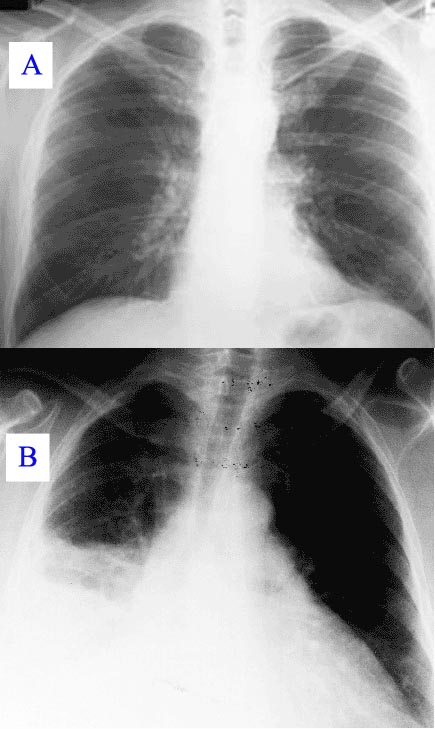
4 Images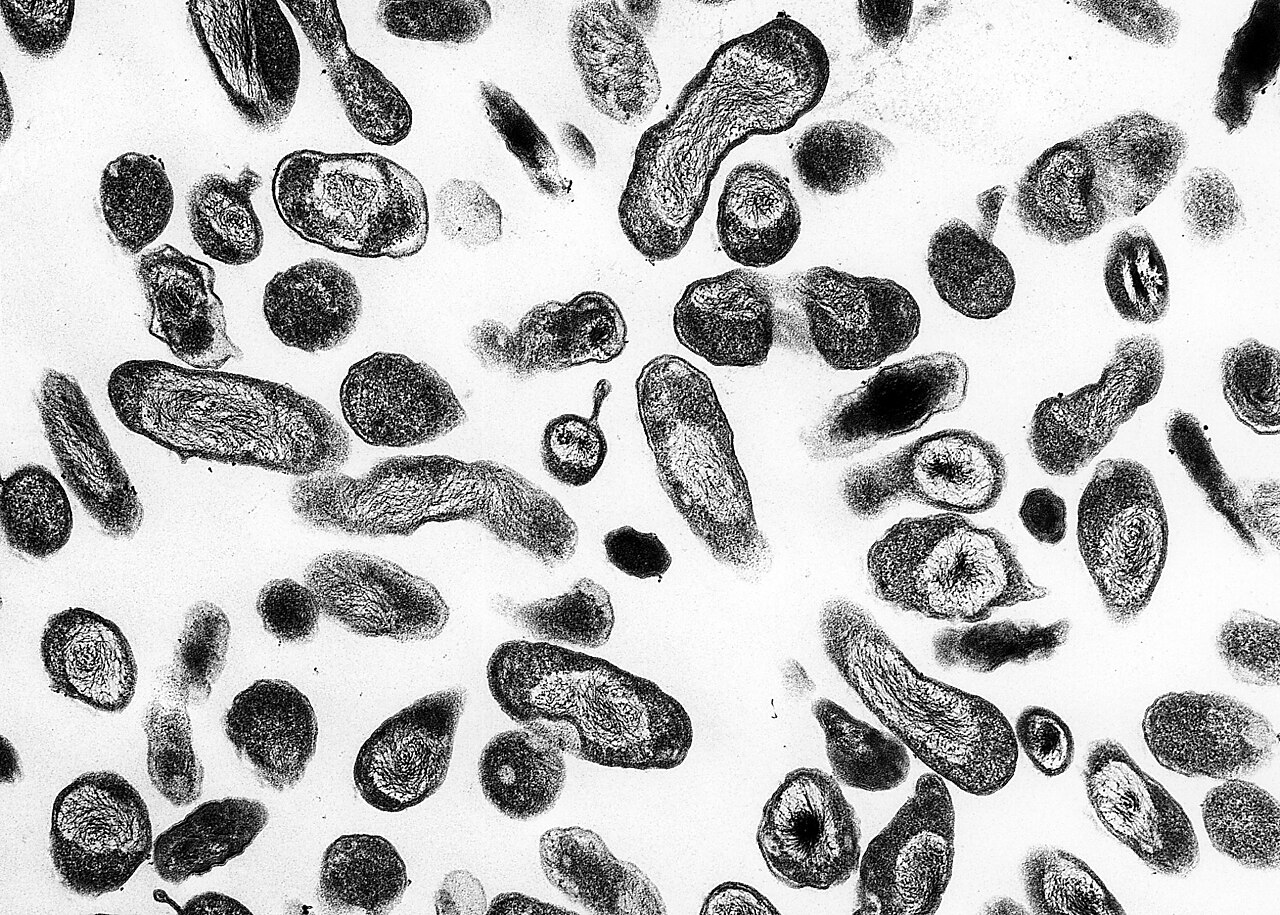


Causative agent and properties
Coxiella burnetii is an obligate intracellular bacterium noted for its ability to persist in dust and on contaminated materials. It produces small, hardy forms that resist environmental stresses. Because of its high infectivity, inhalation of a small number of organisms—potentially even a single bacterium—can result in human infection.
Transmission and reservoirs
Major animal reservoirs include farmed ruminants (cattle, sheep and goats); however, cats, dogs and other animals have also been implicated in transmission. The most common route to humans is inhalation of contaminated aerosols when birth products, bedding, soil or dust are disturbed. Direct contact with raw milk or with animal secretions and excreta (urine, feces, reproductive discharges, semen) can pose a risk in some settings. Ticks may carry the organism, but tick-borne transmission to humans is uncommon.
Clinical features
After an incubation period commonly of one to a few weeks, acute Q fever typically presents with fever, severe headache, muscle pains and profound fatigue; pneumonia or a liver inflammation can occur. Many infections are mild or asymptomatic. A small proportion of patients progress to a chronic form, most often manifesting as endocarditis in people with preexisting valvular disease or impaired immunity. Other long-term complications may include persistent fatigue and vascular infections.
Diagnosis and treatment
Diagnosis is principally by laboratory testing, including serology to detect specific antibodies and molecular methods such as PCR to identify bacterial DNA. Acute Q fever is usually treated with doxycycline; severe or chronic infections require longer, specialist-directed antibiotic regimens and monitoring. Early clinical assessment is important when exposure is suspected or symptoms develop.
Prevention and control
Prevention emphasizes controlling infection in animal populations, safe handling and disposal of birth products and tissues, pasteurization of milk, and use of personal protective equipment for people working with animals. Vaccines against Q fever are licensed in some countries for high-risk groups, with pre-vaccination screening recommended where used. Laboratory work with cultured organisms follows strict biosafety procedures because of the bacterium's infectivity.
Public health considerations
Outbreaks have been linked to farms, processing facilities and areas downwind of infected animals. Public health responses focus on identifying and managing infected herds, informing at-risk populations, and implementing measures to reduce aerosolization of contaminated material. Surveillance and collaboration between veterinary and human health sectors are important for prevention.
Further information and resources
- General facts about Q fever
- Information on Coxiella burnetii
- Role of cats and domestic animals
- Pets and household transmission
- Environmental persistence and aerosols
- Raw milk and foodborne risk
- Excretion in urine
- Fecal shedding and contamination
- Reproductive secretions and birthing products
- Vaginal mucus and obstetric considerations
- Semen and reproductive transmission
Questions and answers
Q: What is Q fever?
A: Q fever is a disease caused by Coxiella burnetii, a type of bacteria that can affect humans and other animals.
Q: What animals can carry and transmit Q fever?
A: Cattle, sheep, goats, and other household animals such as cats and dogs can carry and transmit Q fever.
Q: How can people get infected with Q fever?
A: People can get infected with Q fever if they inhale endospores or come into contact with the milk, urine, feces, vaginal mucus, or semen of infected animals.
Q: Is Q fever commonly carried by ticks?
A: No, Q fever is rarely carried by ticks.
Q: How many bacteria does it take to infect a human with Q fever?
A: A human can be infected by a single bacterium.
Q: Is Q fever a common disease?
A: No, Q fever is not common but can be found in certain animals.
Q: What are the symptoms of Q fever in humans?
A: Symptoms of Q fever in humans include fever, headache, muscle pain, and fatigue. In some cases, complications can occur such as pneumonia, hepatitis, or heart problems.
Related articles
Author
AlegsaOnline.com Q fever (infection with Coxiella burnetii) Leandro Alegsa
URL: https://en.alegsaonline.com/art/80268
Sources
- jb.asm.org : "Genetic diversity of the Q fever agent, Coxiella burnetii, assessed by microarray-based whole-genome comparisons"
- doi.org : 10.1128/JB.188.7.2309-2324.2006
- ncbi.nlm.nih.gov : 1428397
- pubmed.ncbi.nlm.nih.gov : 16547017
- cdc.gov : "Q fever"