
Pyre: structure, cultural uses, history and modern considerations
A pyre is an outdoor structure of combustible material used historically and today to cremate bodies or as part of ceremonial burnings; its form, meaning and regulation vary across cultures.
Overview
A pyre, often called a funeral pyre, is an intentionally built pile of combustible material—most commonly wood—arranged to consume a human or animal body by fire. The English term derives from the Greek word for fire; its etymology is reflected in older sources and in related terms from classical languages (Greek origin). Pyres are normally assembled outdoors in a cleared area and ignited to reduce a body to ashes and bone fragments.
Image gallery
8 Images



Construction and common practice
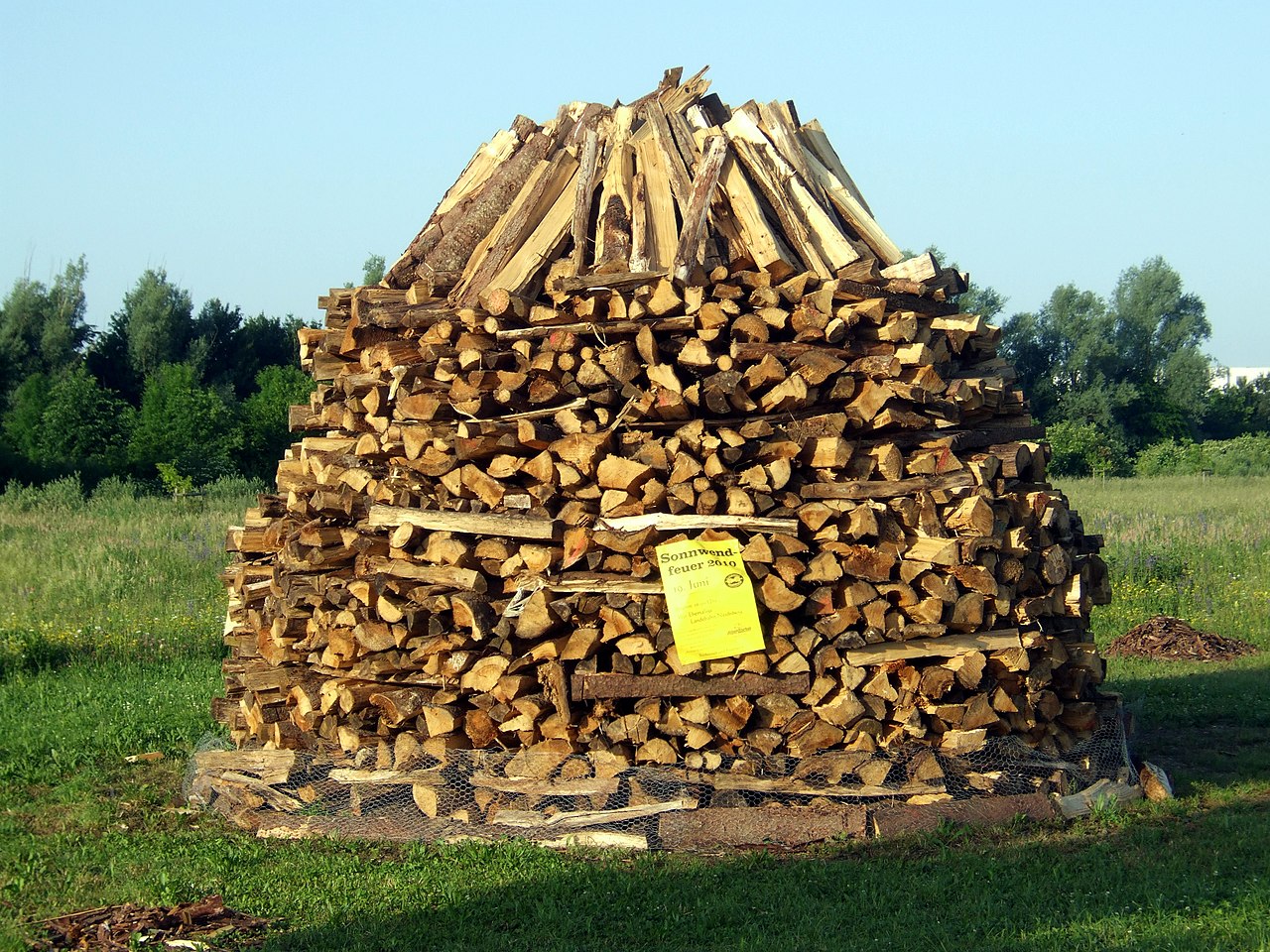
Construction varies by location and ritual. Typical elements include a base of larger logs, a layered platform to support the body, and kindling or accelerants to ensure sustained combustion. Placement of the body can be on top of the wood, between wood layers, or on a raised structure above a fuel bed. Practical concerns include airflow, fuel choice, and safety precautions to protect attendants and nearby property.
- Fuel: hardwoods are preferred where available because they burn hotter and longer.
- Assembly: airflow channels are often created to maintain an even burn.
- Ignition: in some traditions a ceremonial act begins the burning; in others, mechanical or chemical aids are used (ceremonial burning).
History and cultural contexts
Pyres appear in many historical records and remain part of living traditions. In parts of South Asia and among some communities elsewhere, open-air cremation on a pyre is an accepted funerary practice that has religious significance; families and communities may gather for rites before and during the burning (funerals in South Asia). Ancient societies such as the Greeks and some Germanic groups used pyres, and archaeological evidence documents funeral pyres in diverse regions and periods.
Modern use, alternatives and regulation
Today many funerary pyres coexist with centralized crematoria and burial options. Where open pyres continue, they are often subject to public health, safety and environmental regulations addressing smoke, particulate emissions and land use. Some jurisdictions restrict pyres entirely, while others permit them under controlled conditions. Environmental concerns have led to adaptations such as modified pyres, reduced fuel consumption or the use of approved facilities.
Distinctions and notable facts
Not all large ritual fires are pyres in the funerary sense: some ceremonies feature bonfires or symbolic burnings without human remains (other ceremonies). Historically, pyres were also misused for executions or mass burnings, a misuse that is discreetly recorded in some histories. As an archaeological indicator, traces of burned bone and arranged charcoal can point to pyre-based funerary practice in ancient sites. Today the term covers both the practical structure and its cultural meanings.
Summary: A pyre is both a physical arrangement of fuel for combustion and a ritual instrument tied to beliefs about death, transformation and communal practice. Its form and acceptance vary widely, shaped by religion, law and environmental considerations.
Questions and answers
Q: What is a pyre?
A: A pyre is a structure used for burning a body.
Q: Where does the word pyre come from?
A: The word pyre comes from the Greek word for fire.
Q: Are pyres built indoors or outdoors?
A: Pyres are built outdoors.
Q: What are pyres usually made from?
A: Pyres are usually made from wood.
Q: What is done with the body before a pyre is set on fire?
A: The body is placed on top of the pyre or under it.
Q: Are pyres still used for funerals?
A: Yes, pyres are still used for funerals in some parts of the world.
Q: Have pyres ever been used to kill people?
A: Yes, historically, pyres have been used to kill people by burning them alive.
Related articles
Author
AlegsaOnline.com Pyre: structure, cultural uses, history and modern considerations Leandro Alegsa
URL: https://en.alegsaonline.com/art/80235
Sources
- timesonline.co.uk : "'Illegal' funeral pyre burnt in secret"
- books.google.com : The Encyclopedia of Tibetan Symbols and Motifs
- guardian.co.uk : "The question: Why are funeral pyres illegal?"