
Pulmonary hypertension
Pulmonary hypertension is high blood pressure in the lung circulation that strains the right heart. It has multiple causes, variable symptoms, and treatments ranging from medications to oxygen and, rarely, transplantation.
Overview
Pulmonary hypertension (PH) describes elevated blood pressure in the pulmonary arteries — the vessels that carry blood from the heart to the lungs. Increased pressure in the lung circulation raises the workload on the right side of the heart and can eventually lead to right heart dysfunction. PH is a clinical syndrome with many possible underlying causes; when the pressure elevation arises primarily from disease of the small pulmonary arteries it is often called pulmonary arterial hypertension (PAH).
Image gallery
9 Images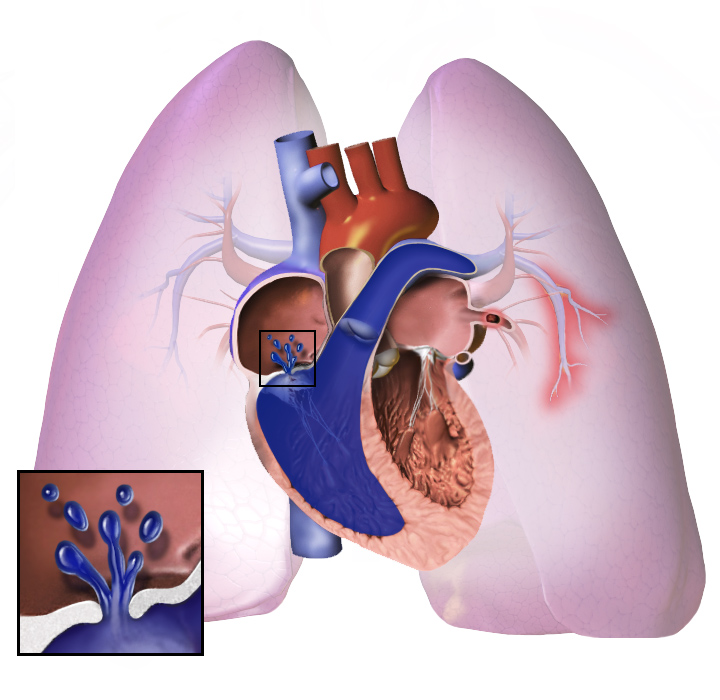


Symptoms and clinical features
Early symptoms are often subtle and progress slowly. Common complaints include breathlessness on exertion, reduced exercise tolerance, fatigue, lightheadedness or syncope (fainting), chest discomfort, and swollen ankles or abdomen from fluid retention. Symptoms typically worsen with physical activity. Because findings can be non‑specific, diagnosis is sometimes delayed.
Causes and pathophysiology
PH can result from diverse processes that increase resistance in the pulmonary circulation or raise pressure in the left heart. Major categories include pulmonary arterial disease (narrowing or remodeling of small arteries), left heart disease, chronic lung disease and hypoxia, chronic thromboembolic disease (organized clots), and miscellaneous or multifactorial causes. Narrowed pulmonary vessels increase vascular resistance, which forces the right ventricle to work harder; over time this can produce right ventricular enlargement and failure, affecting the heart.
Diagnosis
Evaluation aims to confirm elevated pulmonary pressures, identify the underlying cause, and assess severity. Typical tests include transthoracic echocardiography (screening), pulmonary function tests, chest imaging, V/Q (ventilation/perfusion) scanning to detect chronic clots, and laboratory studies. Definitive diagnosis and accurate hemodynamic measurement require right heart catheterization. Additional specialized testing is often performed at centers with PH expertise.
Treatment and management
Management combines general measures, targeted drug therapies, and, for selected patients, interventional or surgical options. General strategies include supervised exercise programs, salt restriction, and oxygen supplementation when hypoxia is present; supplemental oxygen is commonly used to reduce hypoxic vasoconstriction (supplemental oxygen). Medications may include diuretics, anticoagulants in selected cases, calcium channel blockers for rare responders, and disease‑modifying pulmonary vasodilators such as prostacyclin analogs, endothelin receptor antagonists, and phosphodiesterase‑5 inhibitors. Patients with advanced, refractory disease may be evaluated for lung transplantation (lung transplant) or combined heart–lung transplantation (heart–lung transplant).
Prognosis and notable considerations
Prognosis depends on the cause, stage at diagnosis, and response to therapy. Early recognition and treatment can improve symptoms and outcomes. PH is managed best in multidisciplinary centers that can perform the full diagnostic workup and offer modern therapies. Distinguishing PAH from PH due to left heart disease, lung disease, or chronic thromboembolism is crucial because treatment and prognosis differ substantially.
- Key points: PH is not a single disease but a group of conditions that elevate pulmonary arterial pressure.
- Right heart function determines symptoms and long‑term outlook.
- Referral to specialized centers improves diagnostic accuracy and access to targeted treatments.
Questions and answers
Q: What is pulmonary hypertension or PH?
A: Pulmonary hypertension or PH is a condition where there is high blood pressure in the lungs.
Q: What are the symptoms of pulmonary hypertension?
A: The symptoms of pulmonary hypertension include difficulty breathing, dizziness, fatigue, and fainting.
Q: Why do some people with pulmonary hypertension need extra oxygen?
A: Some people with pulmonary hypertension need extra oxygen because the condition makes it hard for them to breathe.
Q: When do the symptoms of pulmonary hypertension get worse?
A: The symptoms of pulmonary hypertension get worse when exercising or working hard.
Q: Why is pulmonary hypertension a serious condition?
A: Pulmonary hypertension is a serious condition because it makes it harder for the heart to pump blood and can be fatal.
Q: What is the full name of pulmonary hypertension?
A: The full name of pulmonary hypertension is pulmonary arterial hypertension even though most people call it pah, ph, or pha.
Q: What may some very sick people with pulmonary hypertension need to live?
A: Some very sick people with pulmonary hypertension may need a lung transplant or a heart-lung transplant to live.
Related articles
Author
AlegsaOnline.com Pulmonary hypertension Leandro Alegsa
URL: https://en.alegsaonline.com/art/80022
Sources
- ncbi.nlm.nih.gov : PMID 8692238
- ncbi.nlm.nih.gov : PMID 14985486
- ncbi.nlm.nih.gov : PMID 10555089
- ncbi.nlm.nih.gov : PMID 13679525
- ncbi.nlm.nih.gov : PMID 10903931
- ncbi.nlm.nih.gov : PMID 14659797
- ncbi.nlm.nih.gov : PMID 15194171