
Pulicat Lake — India's Second Largest Brackish Water Lagoon
Pulicat Lake is a large brackish-water lagoon on India’s Coromandel Coast, shared by Andhra Pradesh and Tamil Nadu. It supports fisheries, a bird sanctuary, and the Sriharikota barrier island with a spaceport.
Overview
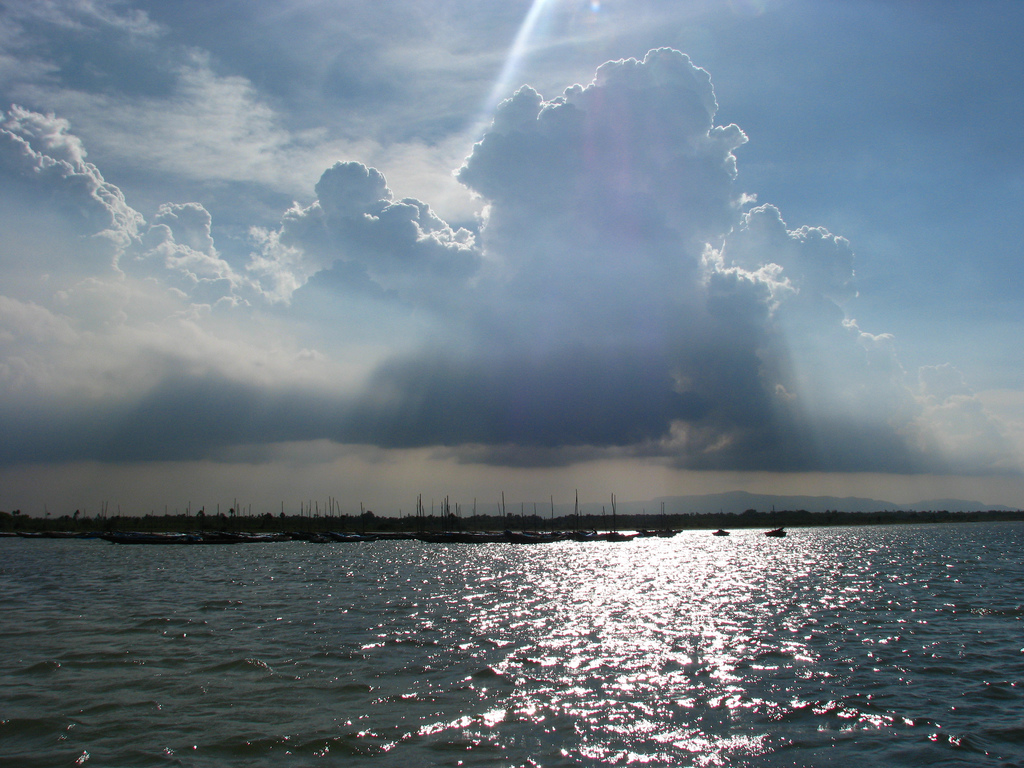
Pulicat Lake is a prominent brackish-water lagoon on the Coromandel Coast of southern India and is widely recognised as the country’s second-largest brackish lake after Chilika Lake. The lagoon lies predominantly within Andhra Pradesh, with a smaller portion falling in Tamil Nadu. A narrow barrier island, Sriharikota, separates the lagoon from the Bay of Bengal and hosts the Satish Dhawan Space Centre; the island itself is often referred to by name in regional descriptions and maps (Sriharikota).
Image gallery
10 Images


Characteristics and ecology
Pulicat is a shallow, coastal lagoon where freshwater from rivers and streams mixes with seawater, producing brackish conditions that support a mix of estuarine and marine life. The lake is dotted with mudflats, marshes and mangrove patches that provide nursery habitat for fish and crustaceans. Seasonal fluctuations in salinity and water level influence which species prosper in any given year, and the lake is notable as a stopover and wintering area for migratory waterbirds.
Human uses and local economy
Communities around the lagoon depend on a range of uses: traditional and mechanised fishing, shellfish and shrimp collection, salt production in adjoining pans, and small-scale agriculture on higher ground. The fishing village of Pulicat at the southern end gives the lake its name and has long been a local centre for boat-based livelihoods. The presence of the space centre on Sriharikota adds a very different human use to the region, bringing restricted zones, transport links and occasional economic activity related to launches and associated services.
History and cultural context
The Pulicat area has a long human history as a coastal trading zone and settlement site. At different times it served as a local port and experienced contacts with regional and foreign traders. Over the centuries, human settlements and industry have reshaped shoreline habitats and influenced patterns of freshwater inflow and sedimentation, which in turn affect the lagoon’s ecology.
Conservation, threats and management
The lagoon supports a declared bird sanctuary and is important for both resident and migratory species. At the same time, Pulicat faces multiple pressures: altered river flows, increased siltation, pollution from urban and industrial sources, expansion of aquaculture and salt pans, and the effects of extreme weather and sea-level rise. These forces can reduce mangrove cover, change salinity regimes and degrade nursery habitats for fish. Conservation efforts combine protected-area management, habitat restoration, regulation of destructive practices and community-based measures to sustain fisheries and biodiversity.
Notable facts and distinctions
- Second largest brackish lake in India, often compared with Chilika for its ecological and socio-economic significance.
- Most of the lagoon falls within Andhra Pradesh, with a small part in Tamil Nadu.
- The barrier island of Sriharikota divides the lagoon from the Bay of Bengal and contains a major spaceport, creating an unusual juxtaposition of natural and technological landscapes.
- The Pulicat Lake Bird Sanctuary and adjacent wetlands are important for migratory waterbirds and local fisheries alike.
Understanding Pulicat requires attention to both ecological patterns and the human activities that shape them. Efforts to reconcile livelihoods, biodiversity conservation and regional development remain central to the lake’s long-term future.
Questions and answers
Q: What is Pulicat Lake?
A: Pulicat Lake is India's second largest brackish water lake after the Chilika Lake in Odisha.
Q: Where is Pulicat Lake located?
A: Pulicat Lake is situated on the Coromandel Coast in South India and straddles in the coast area of Andhra Pradesh and Tamil Nadu states.
Q: What percentage of Pulicat Lake is in Andhra Pradesh?
A: Over 96% of Pulicat Lake is in Andhra Pradesh.
Q: Is there a bird sanctuary in Pulicat Lake?
A: Yes, Pulicat Lake encompasses the Pulicat Lake Bird Sanctuary.
Q: What separates Pulicat Lake from the Bay of Bengal?
A: The barrier island of Sriharikota separates Pulicat Lake from the Bay of Bengal.
Q: What is the Satish Dhawan Space Centre?
A: The Satish Dhawan Space Centre is a spaceport located on the barrier island of Sriharikota, which separates Pulicat Lake from the Bay of Bengal.
Q: Where is the fishing village of Pulicat located?
A: The fishing village of Pulicat is at the south end of Pulicat Lake, from which the lake got its name.
Related articles
Author
AlegsaOnline.com Pulicat Lake — India's Second Largest Brackish Water Lagoon Leandro Alegsa
URL: https://en.alegsaonline.com/art/80009
Sources
- google.co.in : "Pulicat lake - Google Search"
- youtube.com : "PULICAT LAKE"