
Ptolemaida, Greece
Ptolemaida is a city in northern Greece known for large lignite mines and thermal power generation; it is an industrial and commercial center of the Kozani area with a long energy-related history.
Ptolemaida is a town in the Kozani regional unit of West Macedonia, northern Greece. Positioned in an interior plain, it serves as a local hub for commerce, services and industry. The town is part of the municipality of Eordaia and has been associated historically with large-scale energy production; it was formerly known as Kailaria and is sometimes called "The Socket of Greece" because of its concentration of power plants.
Image gallery
8 Images


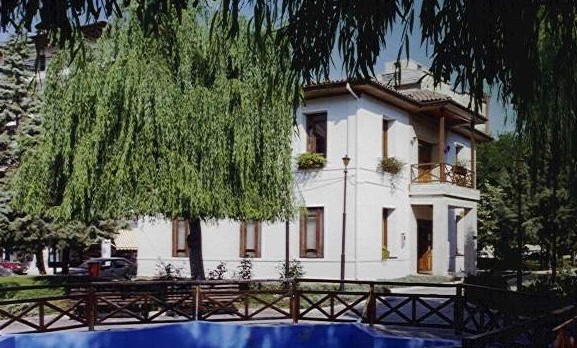

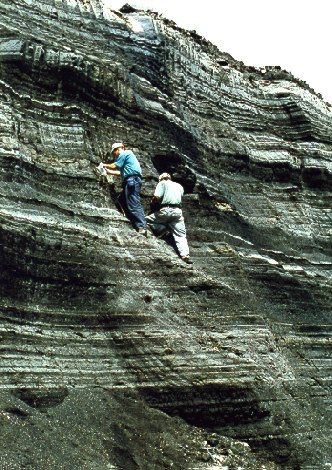

Location and administration
Ptolemaida lies within the broader region often referred to as Macedonia in Greece. It functions as an administrative and service centre for surrounding settlements and agricultural areas. Transport connections link it to nearby regional towns and the road network of western Macedonia. For regional context see Macedonia (region) and for municipal information consult local resources at Ptolemaida.
History and development
The town developed rapidly in the 20th century after the discovery and exploitation of extensive lignite (brown coal) deposits in the surrounding plain. Mining and electricity generation reshaped the local economy, population and built environment. Census figures have varied over time; a commonly cited figure for the municipal population in 2001 was about 28,679, though later counts and administrative changes have altered that number (census data).
Economy and energy
Ptolemaida's economy is dominated by energy production. Open-pit lignite mines and several large thermal power stations have supplied a significant share of Greece's electricity. Employment, associated industries and local services grew around these operations. In recent decades the sector has seen modernization efforts, debates about environmental impact, and planning for a gradual reduction of lignite use in line with national and European energy policies.
Environment, culture and significance
The presence of mining and power infrastructure has produced both economic benefits and environmental challenges, including landscape alteration and emissions. Local authorities have engaged in land reclamation and discussions on economic diversification. Ptolemaida also maintains cultural institutions, schools and community events typical of regional towns, reflecting its role as a provincial centre of industry and trade.
Questions and answers
Q: Where is Ptolemaida located?
A: Ptolemaida is located in the Kozani prefecture in the region of Macedonia in Greece.
Q: What is Ptolemaida known for?
A: Ptolemaida is best known for its coal mines of lignite and power station.
Q: How many inhabitants does Ptolemaida have according to the 2001 census?
A: Ptolemaida has a population of 28,679 inhabitants according to the 2001 census.
Q: What is one nickname for Ptolemaida?
A: One nickname for Ptolemaida is "The Socket of Greece" because of its very strong power stations.
Q: What kind of city is Ptolemaida?
A: Ptolemaida is the biggest industrial, trade, and rural city of the Kozani prefecture and one of the most developed cities in industry in Greece.
Q: What was Ptolemaida called before?
A: Ptolemaida was formerly known as Kailaria.
Q: What is the main industry in Ptolemaida?
A: The main industry in Ptolemaida is coal mining of lignite and power generation.
Related articles
Author
AlegsaOnline.com Ptolemaida, Greece Leandro Alegsa
URL: https://en.alegsaonline.com/art/79886
Sources
- wikimapia.org : Power stations and coal mines in Ptolemaida