
Pterodactyloidea: the short‑tailed pterosaurs
Pterodactyloidea are the derived, short‑tailed pterosaurs that appeared in the Middle Jurassic, diversified through the Cretaceous, and went extinct at the end of the Cretaceous (K–Pg) mass extinction.
Overview
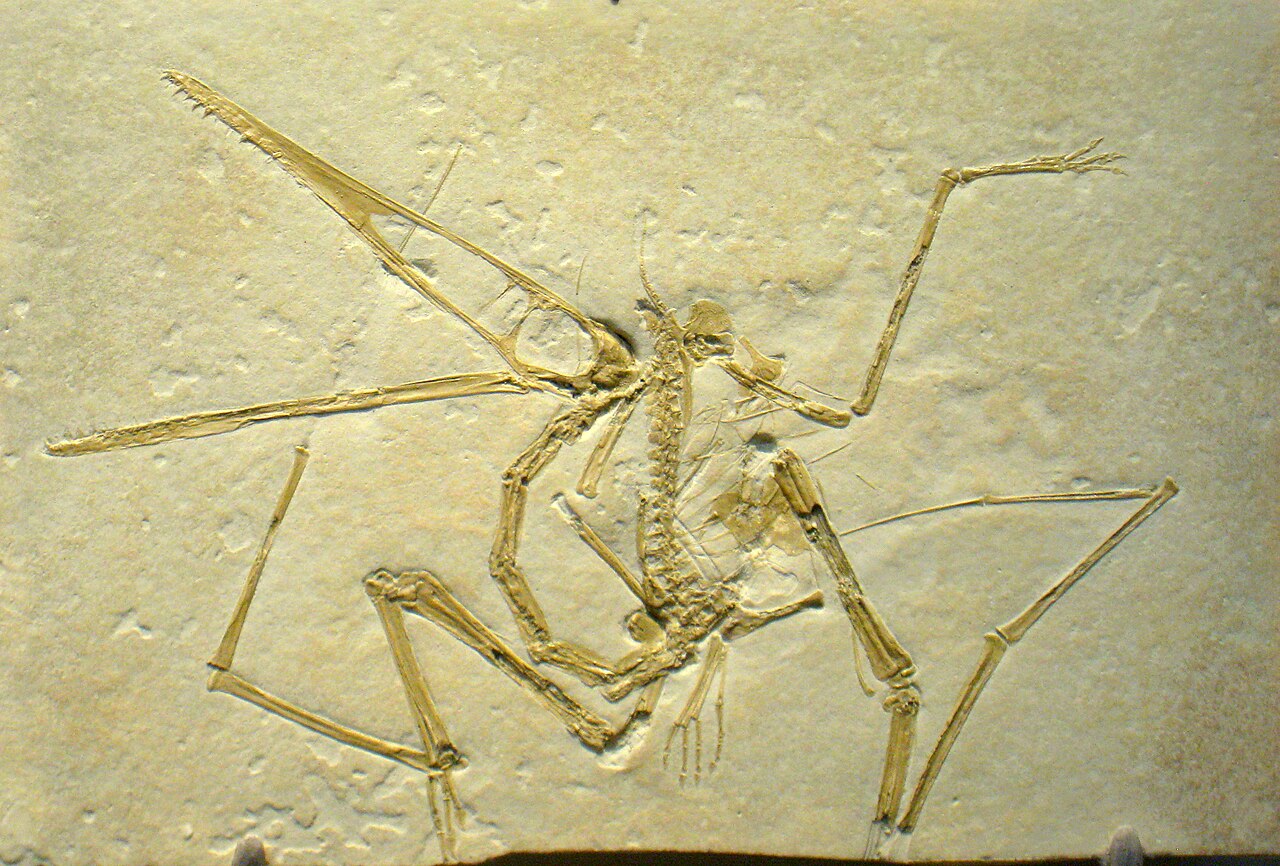
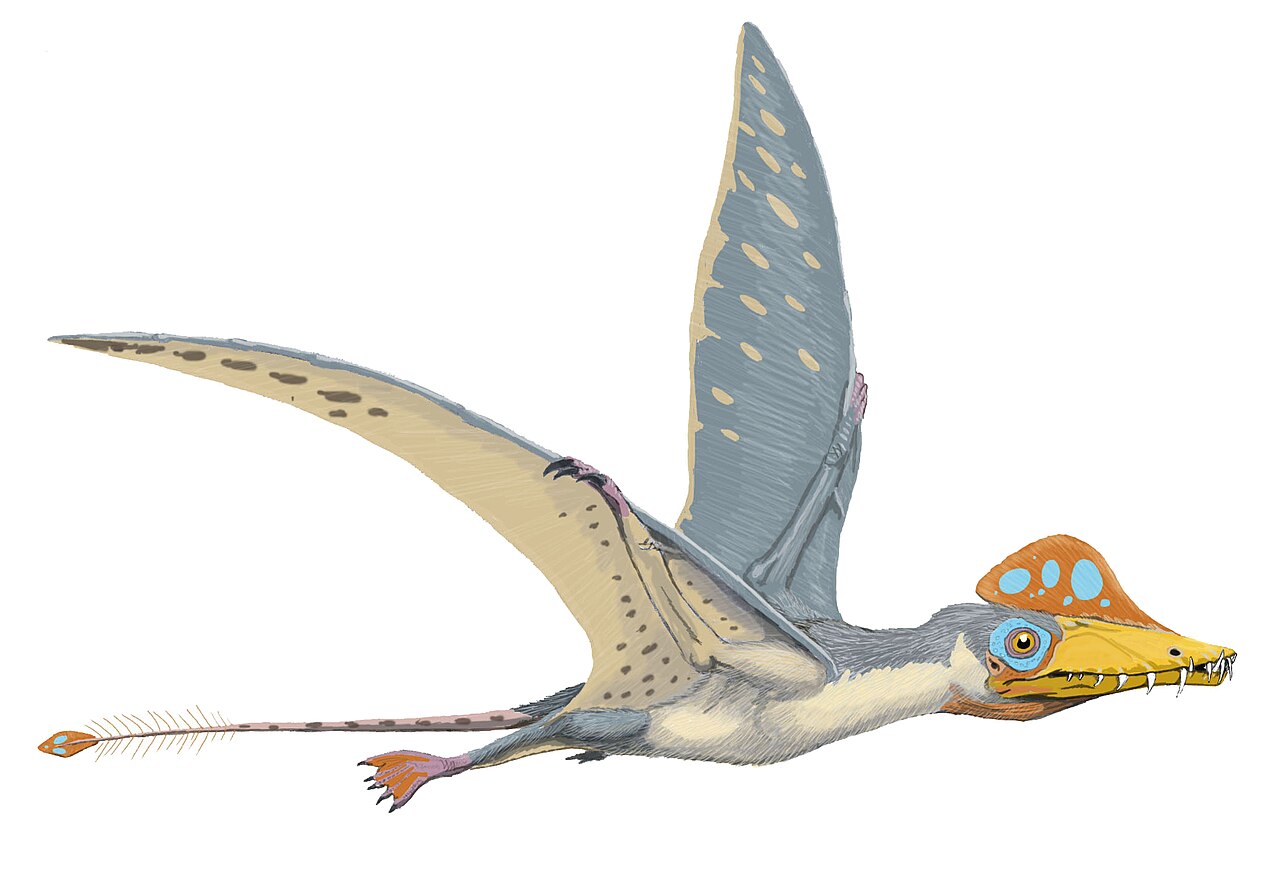
Pterodactyloidea is the suborder that groups the more derived, generally short‑tailed pterosaurs. Members of this clade show a set of anatomical changes from their earlier relatives, including proportionally longer metacarpals and reduced tails, which are linked to different flight styles and ecologies. Well‑known representatives include Pterodactylus, the coastal fish‑eater Pteranodon, and the giant azhdarchid Quetzalcoatlus. For a broader context this group is often referred to simply as the pterodactyloids or pterodactyloidea in older literature (suborder Pterodactyloidea).
Image gallery
10 Images




Anatomy and key adaptations
Pterodactyloids share several distinctive features. They typically have:
- shortened, stiffened tails compared with basal pterosaurs;
- elongated metacarpals that shift wing support toward the hand;
- often large skulls with varied crests and specialized jaws;
- lightweight, hollow bones and extensive flight musculature.
Origin and evolutionary history
The fossil record places the first pterodactyloids in the Middle Jurassic. A landmark discovery reported in 2014 from China, assigned to the genus Kryptodrakon, extended the group’s known history into the Callovian stage (around 163 million years ago) and pushed back the estimated origin of many derived features. From these modest beginnings the clade diversified during the Late Jurassic and especially throughout the Cretaceous, producing a wide range of sizes, skull shapes and lifestyles.
Diversity, ecology and notable genera
By the Cretaceous several major lineages had emerged, including toothless coastal flyers with large cranial crests, toothed piscivores, and the terrestrial, long‑necked azhdarchids. Examples:
- Pterodactylus — an early, small coastal genus often preserved in fine sediments;
- Pteranodon — a large, crest‑bearing toothless form adapted for soaring;
- Quetzalcoatlus — one of the largest known flying animals, interpreted as a terrestrial forager by many researchers.
Extinction and scientific significance
Pterodactyloids persisted until the end of the Cretaceous and were lost in the mass extinction event at the Cretaceous–Paleogene boundary (formerly called the K–T event) (K–Pg extinction). Their extinction removed the Mesozoic crown fliers, after which modern birds became the dominant aerial vertebrates. Study of pterodactyloid anatomy, flight mechanics and growth has improved understanding of vertebrate flight evolution and paleoecology. For summaries and taxonomic overviews see resources on pterosaur classification and paleobiology (Middle Jurassic origins and timeline, suborder treatments).
Questions and answers
Q: What is Pterodactyloidea?
A: Pterodactyloidea is a suborder of short-tailed pterosaurs.
Q: When did the fossil record of Pterodactyloidea start?
A: The fossil record of Pterodactyloidea started in the middle Jurassic period.
Q: When did Pterodactyloidea become extinct?
A: Pterodactyloidea became extinct at the end of the Cretaceous period in the K/T extinction event.
Q: Which pterosaurs are part of the Pterodactyloidea suborder?
A: Pterodactylus, Pteranodon and Quetzalcoatlus are part of the Pterodactyloidea suborder.
Q: What is Kryptodrakon and when was it found?
A: Kryptodrakon is the earliest known pterodactyloid and was found in China in 2014.
Q: When did the Cretaceous-Paleogene extinction event occur?
A: The Cretaceous-Paleogene extinction event occurred at the end of the Cretaceous period.
Q: What happened to the pterosaurs during the Cretaceous-Paleogene extinction event?
A: The pterosaurs, along with all non-avian and most avian dinosaurs, as well as many other animals, went extinct during the Cretaceous-Paleogene extinction event.
Related articles
Author
AlegsaOnline.com Pterodactyloidea: the short‑tailed pterosaurs Leandro Alegsa
URL: https://en.alegsaonline.com/art/79878
Sources
- doi.org : 10.1016/j.cub.2014.03.030
- pubmed.ncbi.nlm.nih.gov : 24768054
- journals.cambridge.org : journals.cambridge.org/action/displayAbstract?fromPage=online&aid=9036361&fileId=S1755691…
- mnhn.fr : "Systematic reinterpretation of Piksi barbarulna Varricchio, 2002 from the Two Medicine Formation (Upper Cretaceous) of Western USA (Montana) as a pterosaur rather than a bird"
- doi.org : 10.5252/g2012n4a10
- doi.org : 10.1666/13030