
Azure (color)
Azure is a bright blue hue often associated with the daytime sky. It sits between blue and cyan in many color systems and appears in art, design, heraldry, and web color naming.
Overview
Azure is a bright, sky‑like blue commonly described as falling between blue and cyan on additive color scales. People often use the term to evoke a clear daytime sky or a vivid, medium blue tint; its visual impression ranges from pale, almost cyan tones to richer, saturated blues used in painting and design. For a common visual reference see the sky.
Image gallery
10 Images


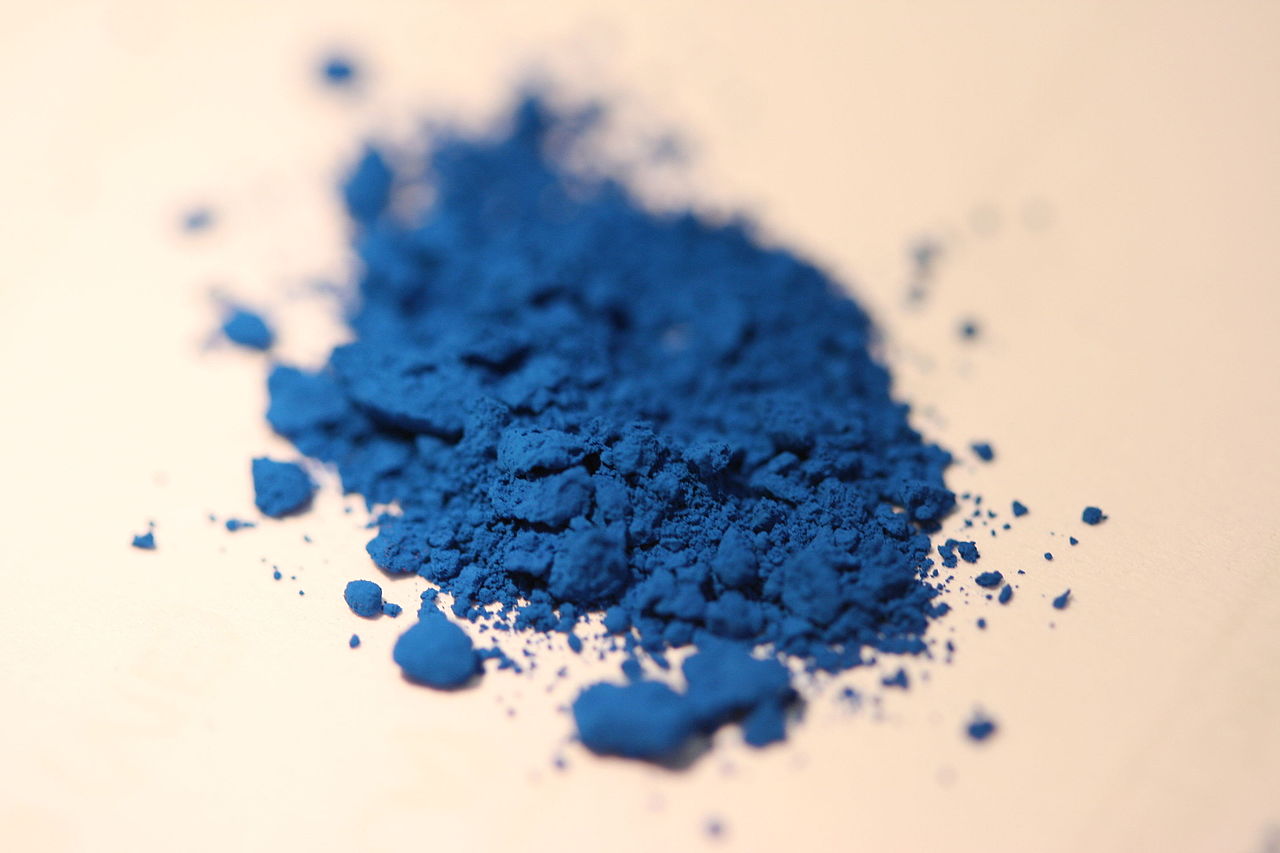


Characteristics
In modern color models azure is treated in several specific ways:
- On RGB-based wheel interpretations it is often placed about halfway between blue and cyan, giving it a fresh, cool appearance.
- Web and digital standards include a named color "azure", defined in CSS as hex code #F0FFFF, a very pale cyan‑blue.
- Its complementary color on the RGB wheel is usually considered orange, a contrast commonly used in design to create vibrant pairings; see also the notion of a complementary color.
- Perception of azure varies with light, surrounding colors and whether the system is additive (RGB) or subtractive (CMYK).
History and name
The word derives from older terms for the deep blue stone lapis lazuli and passed into European languages through Arabic and Old French. Historically the same root produced names for pigments (notably ultramarine from lapis) and for a general blue family that included what we now call azure.
Uses and examples
Azure appears across visual culture: in painting and interior palettes, corporate and web design, and as a heraldic tincture (where "azure" denotes blue fields or charges). Designers choose different shades labeled "azure" depending on whether they want a soft, pastel effect or a vivid mid‑blue. For web development and styling the CSS name is a practical reference; design systems may map that name to a custom RGB or HEX value to fit a brand.
Distinctions and notable facts
Azure is distinct from similar blues such as cerulean, sky blue, and ultramarine by hue and saturation: cerulean and sky blue tend to be lighter, ultramarine is deeper and more purple‑leaning. Color wheels and practical palettes offer different exact positions for azure, so precise definitions depend on context and the color model in use (RGB, color wheel). Designers sometimes pair azure with warm oranges or use muted greys to emphasize its cool clarity.
For further reading on color naming, digital standards, and historical pigments, see resources on color theory and standardized palettes (blue variants, cyan relations, sky examples).
Questions and answers
Q: What is azure?
A: Azure is a color that resembles the color of the sky on a clear and bright day.
Q: How is azure described in relation to the RGB color wheel?
A: Azure is a pure chroma located halfway between blue and cyan on the RGB color wheel.
Q: What is the complementary color of azure?
A: The complementary color of azure is orange.
Q: Can azure be described as a shade of blue?
A: Yes, Azure can be perceived as a shade of blue.
Q: Can azure be described as a shade of cyan?
A: Yes, Azure can also be described as a shade of cyan due to its location on the RGB color wheel.
Q: What associations can be made with the color azure?
A: The color azure can be associated with the sky, water, and calmness.
Q: Was the origin of the word "azure" explained in the text?
A: No, the text did not explain the origin of the word "azure".
Related articles
Author
AlegsaOnline.com Azure (color) Leandro Alegsa
URL: https://en.alegsaonline.com/art/7970