
Province of Alicante
Southeastern Spanish province on the Mediterranean coast, noted for its tourism, agriculture, industry, historic towns, and diverse landscapes from beaches to mountain ranges.
The Province of Alicante occupies part of Spain's southeastern Mediterranean coast and forms the southern portion of the Valencian Community. It is a densely visited and economically varied territory where coastal resorts, historic cities and inland agricultural plains coexist with limestone mountains and protected natural areas. The provincial capital and principal port is the city of Alicante, known for its harbour, university presence and the hilltop Castle of Santa Bárbara that overlooks the bay.
Image gallery
10 Images




Geography and natural environment
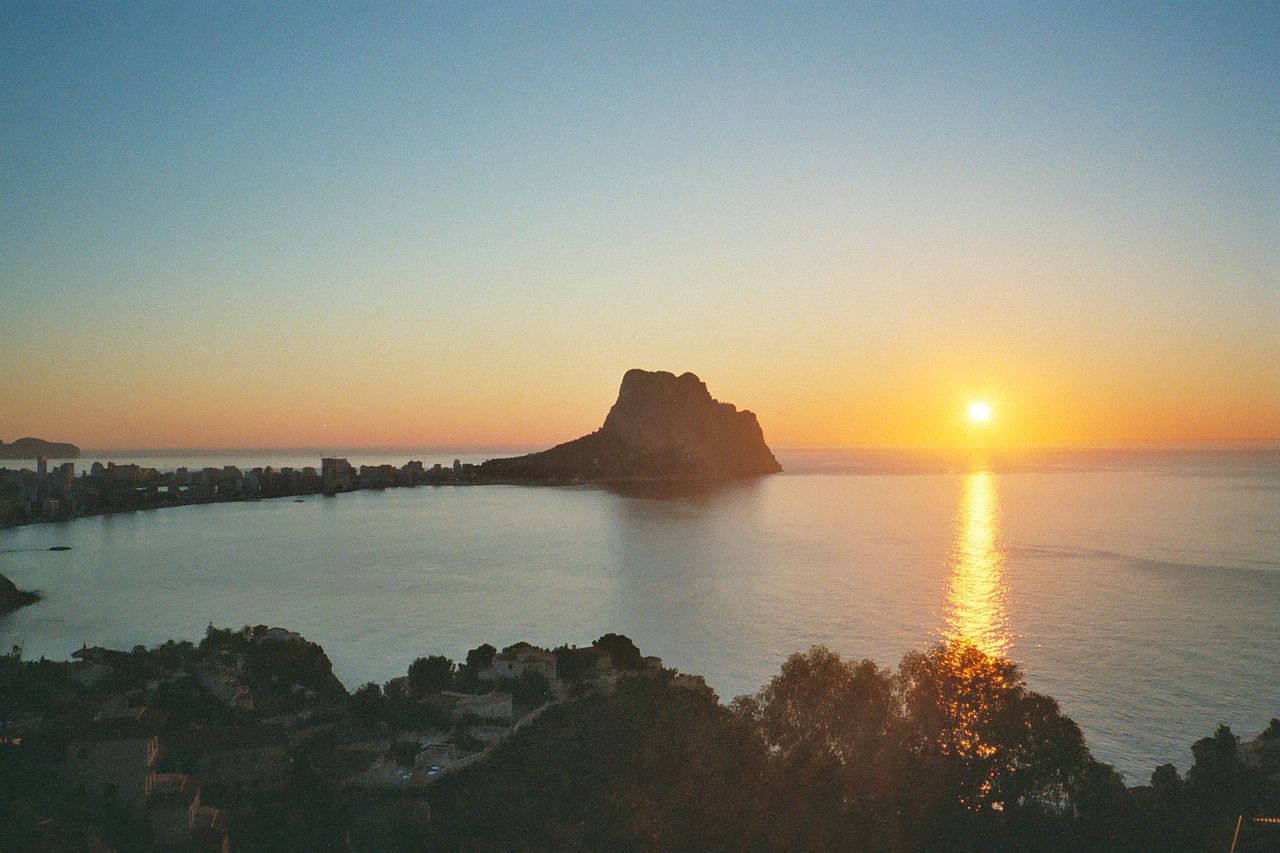
Alicante's landscape includes long sandy beaches, rocky coves, offshore islets and steep mountain ranges. The coastline features famous headlands such as the Peñón de Ifach at Calpe and inhabited islets like Tabarca, valued for clear waters and marine life. Inland the highest massifs, including Aitana and Mariola, rise above terraced fields and dry valleys. Several rivers cross the province: the southern Segura (Segura) is particularly important for irrigation and urban water supply, while the Vinalopó and Serpis drain other zones. Protected areas include coastal reserves, natural parks and regional spaces that preserve endemic flora and birdlife.
Climate
The province has a Mediterranean climate with hot, dry summers along the coast and milder conditions inland and at elevation. Coastal areas enjoy long tourist seasons because of stable sunshine and relatively mild winters; higher terrain experiences cooler temperatures and occasional snow in winter months. Microclimates created by altitude and orientation allow a diversity of crops and habitats across a compact territory.
History and culture
Alicante's history reflects Iberian, Roman, Visigothic, Muslim and Christian influences. Historic centres show medieval and Renaissance architecture, fortified hilltop castles, baroque churches and archaeological sites. Cultural life mixes traditional festivals, artisan handicrafts and modern leisure industries; musical contests, religious processions and folk celebrations attract local and international visitors. The province is bilingual in practice, with Spanish and Valencian (a variety of Catalan) widely used in public life and education.
Cities and population
Urban and coastal centres vary from the provincial capital to midsize and smaller towns. Major centres include:
- Alicante – the port city and administrative centre, with shopping, museums and university campuses.
- Elche – noted for its historic palm groves and a long tradition in footwear manufacturing.
- Benidorm – a prominent international resort with a dense hotel skyline often nicknamed the "Mediterranean Manhattan".
- Torrevieja – a coastal tourist town with cultural events and a strong seasonal visitor economy.
- Orihuela, Alcoy and Elda – towns with agricultural, industrial and textile or footwear traditions.
Population is concentrated along the coast and larger valleys, while interior areas are more sparsely settled. Demographic trends reflect tourism-driven growth, second homes for international buyers and longstanding industrial communities.
Economy and land use
The province's economy is mixed. Tourism remains a leading sector along the coastline, with resorts, marinas and hospitality services playing primary roles (tourism). Agriculture uses advanced irrigation for citrus, vegetables, almonds and other Mediterranean crops. Traditional and modern manufacturing includes footwear, textiles, carpets and other light industry, supported by a network of small and medium-sized enterprises (industry). Ports, logistics and service sectors complement these bases, while research and vocational training are linked to local universities and technical centres.
Transport, education and administration
Transport connections include regional highways, rail links to major Spanish cities and an international airport that serves the province's tourist and business travel. Higher education is provided by institutions such as the University of Alicante and other campuses and centres that offer technical and professional programmes. Administratively the province is divided into municipalities and comarcas, each with municipal councils and shared regional services. For wider context and official references see general resources on the province and national frameworks (national context, official name variants).
Tourism and attractions
Visitors come for beaches, cultural heritage, festivals and outdoor recreation such as hiking in the mountains or diving around marine reserves. Historic centres, local gastronomy and artisan markets are additional draws. Important municipal and thematic portals include pages for local destinations like Orihuela and Benidorm, which provide practical information for travelers and residents.
In summary, the Province of Alicante is a region of contrasts where Mediterranean climate and scenery support a tourism-led coastline, productive agricultural valleys and an industrial tradition in footwear and textiles. Its combination of natural parks, historic towns, modern resorts and academic institutions makes it a significant part of the Valencian Community's cultural and economic landscape. For more specialised topics—planning, heritage conservation, economic programmes and research partnerships—consult municipal, regional and sectoral resources linked to local institutions and official platforms (tourism links, industry links, academic links).
Questions and answers
Q: What is the population of Alacant province?
A: Alacant province has a population of 1,750,000.
Q: What is the capital city of Alacant province?
A: The capital city of Alacant province is Alicante.
Q: What are some important cities in Alacant province?
A: Some important cities in Alacant province include Elche (215,000), Torrevieja (100,000), Orihuela (75,000), Benidorm (67,000), Alcoi (60,000) and Elda (55,000).
Q: What is the most important river in Alacant province?
A: The most important river in Alacant province is the Segura River located in the south.
Q: What are some mountains located in Alacant Province?
A: Some mountains located in Alacant Province include Aitana Mountain, Mariola Mountain, Puig Bell Mountain Maigmo Mountain and Gold Head Mountain near Alicante.
Q: Are there any islands off the coast of Alacant Province?
A: Yes, there are islands off the coast of Alacont Province including Tabarca Island and Benidorm Island.
Q: What activities take place withinAlcancat Province?
A: Activities that take place within Alcancat Province include tourism industry such as shoes carpets plays dolls textiles and modern agriculture such as oranges lemons tomatoes almonds wine. There are also two universities University of Alicante and University of Michael Hernandez.
Related articles
Author
AlegsaOnline.com Province of Alicante Leandro Alegsa
URL: https://en.alegsaonline.com/art/79575