
Protected area: definition, types, importance and management
Protected areas are land or sea zones given legal or customary protection to conserve nature, cultural heritage, and ecosystem services; management, types, benefits and notable examples explained.
What is a protected area?
A protected area is a clearly defined geographic space recognized and managed to achieve long‑term conservation of nature, cultural resources or both. Protection can be legal, customary or established through international agreements; many sites receive formal status under local or national laws or international instruments. These places are set aside because of their scenic, ecological or cultural value — for example their ecological importance or unique heritage.
Image gallery
10 Images






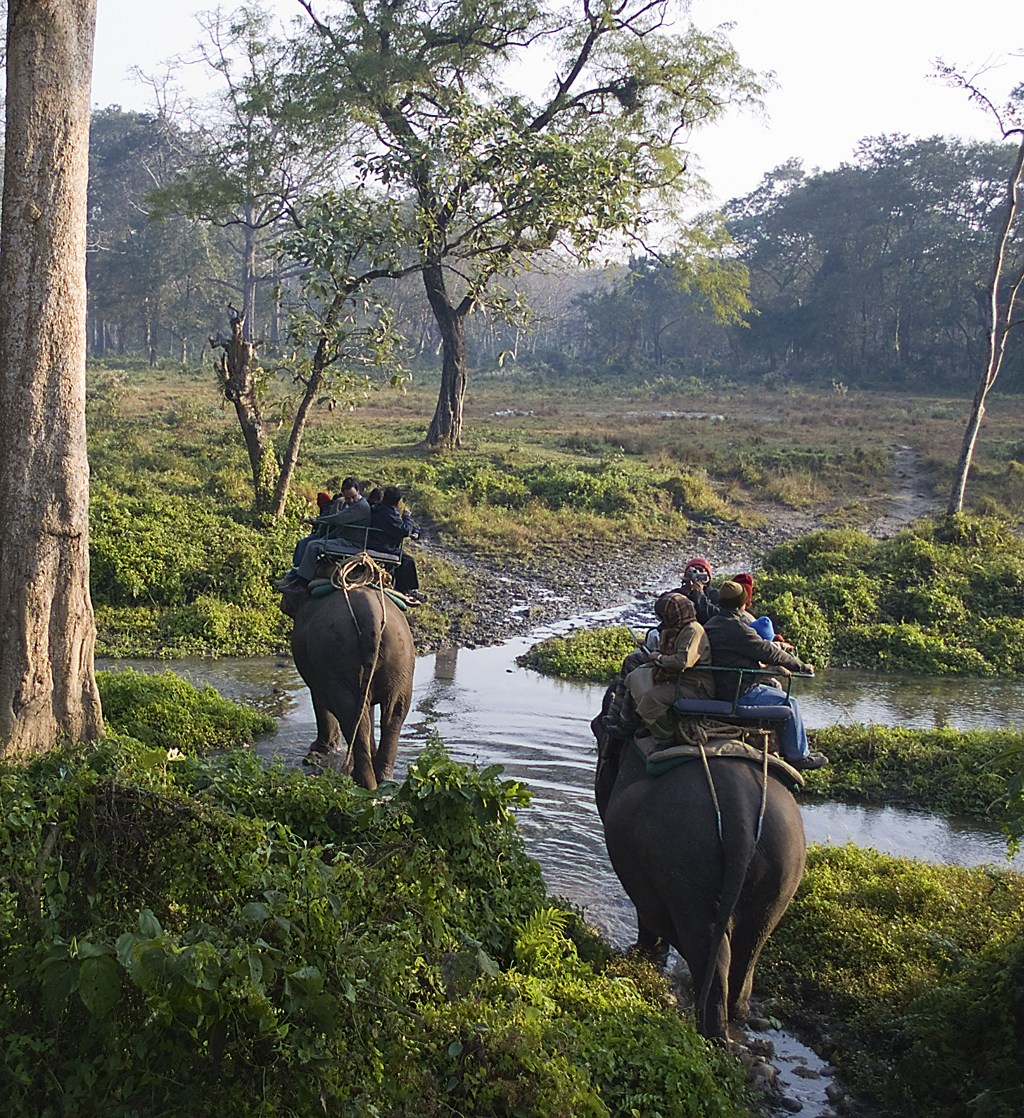
Key characteristics and types
Protected areas vary widely in purpose and rules. Some prioritize strict preservation and limit human access; others allow sustainable use, recreation and community activities. Common categories include national parks, wildlife reserves, nature monuments, cultural sites and community conserved areas. Marine protected areas cover coastal and marine environments such as seas, oceans, estuaries and large lakes. Many frameworks refer to degrees of protection and management objectives rather than a single model.
Why protected areas matter
Protected areas are central to conserving global biodiversity and providing safe space for species threatened by habitat loss, overexploitation and other pressures. By maintaining intact ecosystems they supply essential functions — or ecosystem services — such as clean water, carbon storage and pollination. They also preserve habitats that act as refuges from hunting or development, offering a secure habitat for vulnerable and endangered species. In addition to natural values, protected areas safeguard landscapes and monuments that have cultural, historical or spiritual meaning to people.
History, legal frameworks and international designations
The modern protected area movement grew during the 19th and 20th centuries with the creation of national parks and heritage laws. Today a patchwork of national legislation, international treaties and conventions supports site designation and cooperation. Some sites are recognized for their global significance and receive international attention or special status under multilateral agreements, reflecting cross‑border or universal values. Well‑known natural attractions such as the Grand Canyon are protected to prevent irreversible damage from development and tourism.
Management, threats and community roles
Management approaches range from strict no‑take reserves to multiple‑use landscapes. Effective stewardship often combines scientific monitoring, anti‑poaching efforts, zoning, restoration work and participatory governance that involves local communities and indigenous peoples. Main threats include habitat conversion, invasive species, pollution, unsustainable resource use and climate change. Addressing these threats typically requires integrated planning, long‑term funding and legal enforcement alongside local stewardship and education.
Examples and notable facts
- The vast Northeast Greenland National Park protects Arctic ecosystems and species such as musk oxen and walrus, illustrating how remote reserves conserve wide‑ranging fauna.
- Cultural protected areas include places like the Valley of the Kings in Egypt, which is protected for its archaeological significance (archaeological site preservation) and historical context.
Practical considerations and outcomes
When well designed and resourced, protected areas provide measurable conservation outcomes, support sustainable livelihoods (including ecotourism and research), and help nations meet environmental commitments. However, designation alone is not enough; long‑term success depends on adaptive management, fair governance and integration with broader land‑ and seascape planning so that protected areas contribute to resilient ecosystems and thriving human communities.
Questions and answers
Q: What are protected areas?
A: Protected areas are locations with special protection due to their recognized natural, ecological or cultural importance, and they are usually protected by law.
Q: Why are protected areas important for biodiversity?
A: Protected areas are important for biodiversity as they provide a safe habitat for threatened and endangered species, and they often provide an area safe from hunting or changes to the environment.
Q: What kind of law can protect an area?
A: An area can be protected by local law, the law from the country of the protected area, or even international law.
Q: What is a marine protected area?
A: A marine protected area is for seas, oceans, estuaries or large lakes, used to protect marine life.
Q: Can human activities cause damage to naturally formed areas?
A: Yes, human activities can cause damage to naturally formed areas like the Grand Canyon.
Q: Can you give two examples of protected areas?
A: Yes, examples of protected areas include Northeast Greenland National Park, which protects a large variety of animals, and the Valley of the Kings in Egypt, which is an important archaeological site.
Q: Why is the Valley of the Kings in Egypt protected?
A: The Valley of the Kings in Egypt is protected because it is an important archaeological site.
Related articles
Author
AlegsaOnline.com Protected area: definition, types, importance and management Leandro Alegsa
URL: https://en.alegsaonline.com/art/79505