
Procopius of Caesarea: Sixth‑Century Historian of the Justinian Era
Procopius of Caesarea (c. 500–c. 565) was a leading Eastern Roman scholar and eyewitness historian who chronicled Justinian’s wars, building projects, and court intrigues in three major works.
Procopius of Caesarea (Greek: Προκόπιος ὁ Καισαρεύς) was a leading scholar and chronicler of the mid‑sixth century in the Eastern Roman world. Active during the reign of Emperor Justinian I, he combined the roles of eyewitness, court official and writer to produce detailed accounts of military campaigns, imperial architecture and palace life. Modern readers rely on his writings as some of the most important contemporary sources for the period often called the Justinian age of the Byzantine Empire (Eastern Roman realm).
Image gallery
3 Images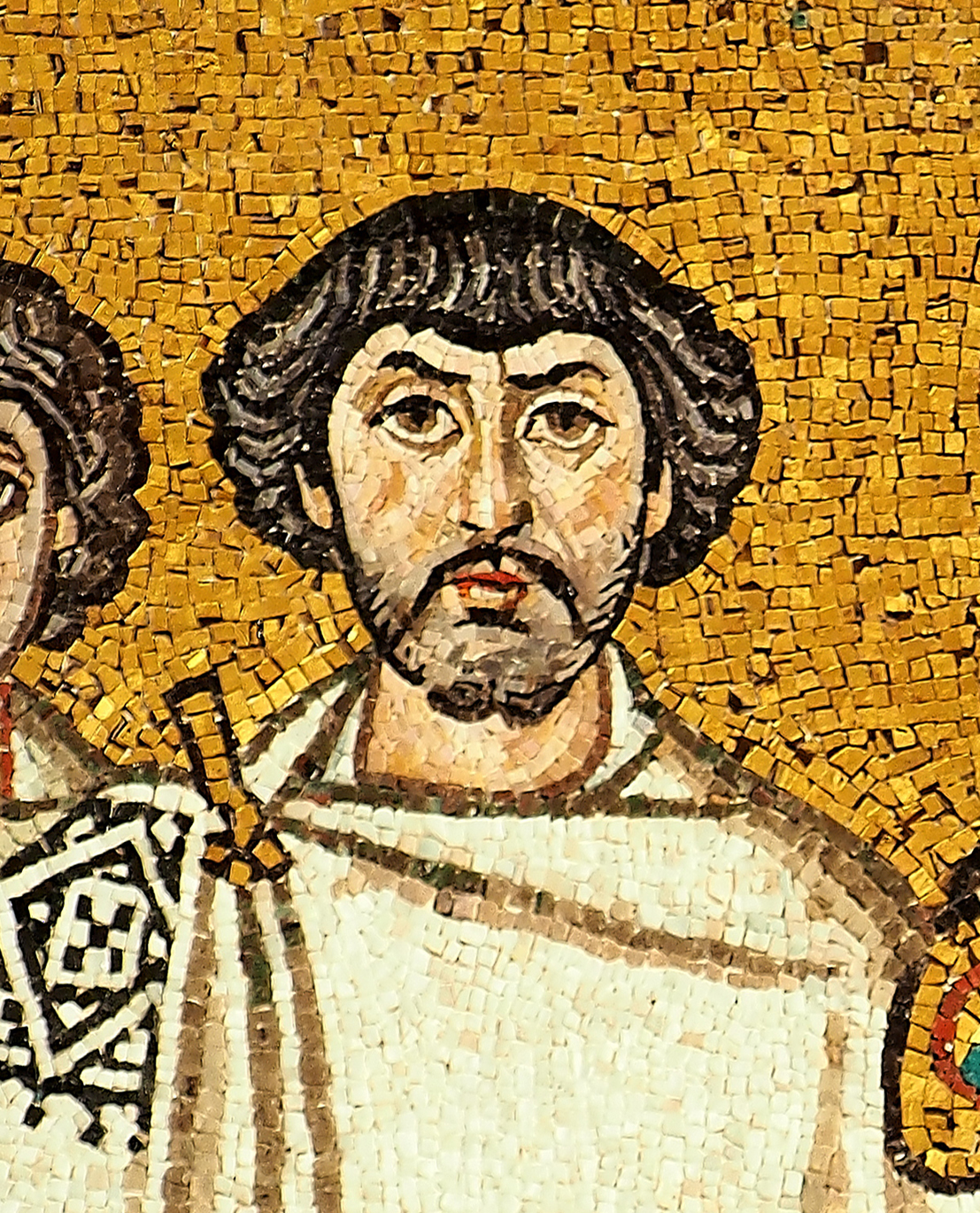
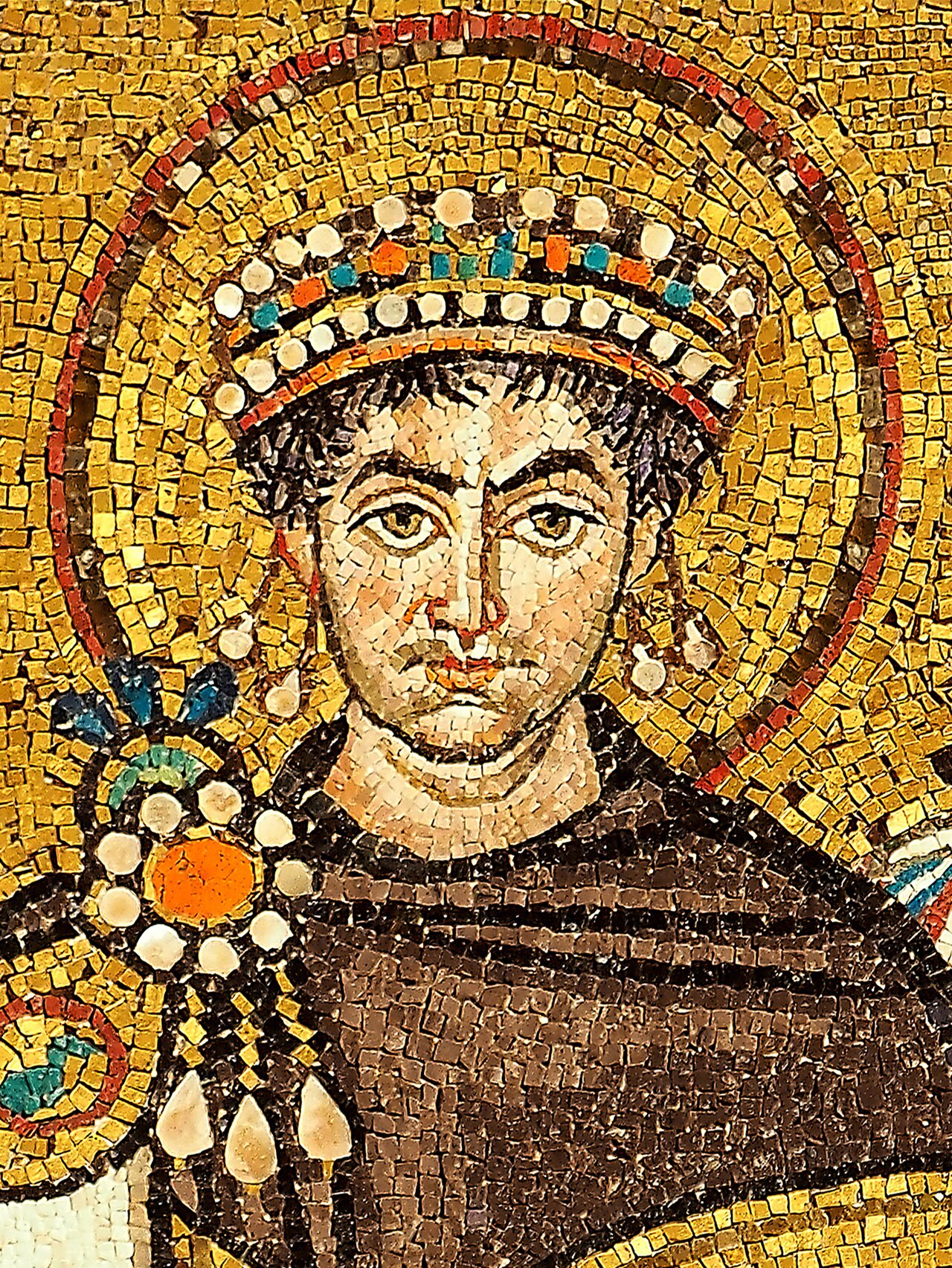

Major works and contents
- The Wars (Bellum or Histories of the Wars) — an extended, multi‑book narrative describing campaigns in the West and East, including operations against Vandals, Goths and Persians. Much of this material is based on Procopius’s own presence with the general Belisarius and other commanders.
- The Buildings (De Aedificiis) — a panegyric survey of Justinian’s public works that praises the emperor’s building program and records the construction or restoration of churches, fortifications and civic structures across the empire.
- The Secret History (Anecdota) — a private, acerbic and often scandalous account that contradicts the public praise of The Buildings and attacks the characters of Justinian, Theodora and leading officials. Its tone and content have made it a controversial but valuable corrective to official narrative.
Procopius wrote in a polished, classical Greek style and used a mix of direct observation, official reports and the testimony of other participants. The three works present different voices: an official, laudatory voice in The Buildings; a detailed, reportage tone in The Wars; and a bitter, confidential voice in the Secret History. This juxtaposition is one reason his corpus remains a rich source for historians seeking to reconstruct events and personalities of the sixth century.
Biographical details are sparse but consistent: Procopius was born in Caesarea (in Roman Palestine), lived roughly from about 500 to 565, and served as a legal adviser and secretary attached to the general Belisarius on campaign. He appears to have had access to court circles and imperial records, which informed his accounts of policy, diplomacy and building projects.
Scholars value Procopius for both the breadth of his subject matter and for being an eyewitness to many events. The Wars provides one of the most complete contemporaneous military narratives available for Justinian’s attempts to recover former western provinces. The Buildings preserves descriptions of architecture, urban renewal and monuments that help historians and archaeologists trace the material impact of imperial policy. The Secret History, though biased and at times lurid, offers a counterpoint that has prompted debate about reliability and authorial intent.
Reception and textual transmission: Procopius’s works circulated in manuscript form and were copied by medieval scribes; later generations of scholars have treated him as a principal primary source for sixth‑century Byzantium. Because his three works sometimes disagree, modern readers approach them critically, weighing corroborating evidence from archaeology, law codes and other writers. Procopius is often regarded as the last major historian of the ancient world and remains central to studies of late antiquity, Byzantine politics, military history and early medieval architecture.
Questions and answers
Q: Who was Procopius of Caesarea?
A: Procopius of Caesarea was a scholar and historian from the Eastern Roman Empire who lived from around 500 to 565 AD.
Q: What were some of Procopius' major works?
A: Procopius wrote several major works, including the Wars of Justinian, the Buildings of Justinian, and the Secret History.
Q: What was Procopius' role in the wars of Justinian I?
A: Procopius participated in the wars of Justinian I, which were a series of military campaigns fought by the Byzantine Empire under Justinian I's reign in the 6th century.
Q: What is the Wars of Justinian?
A: The Wars of Justinian is a historical work written by Procopius that chronicles the military campaigns of Justinian I's reign.
Q: What is the Buildings of Justinian?
A: The Buildings of Justinian is a historical work written by Procopius that details the construction and renovation projects undertaken by Justinian I during his reign.
Q: What is the Secret History?
A: The Secret History is a scandalous historical work written by Procopius that criticizes the actions and character of Justinian I and his wife, Empress Theodora.
Q: Why is Procopius considered the last major historian of the ancient world?
A: Procopius is commonly considered the last major historian of the ancient world because his works represent a bridge between the classical tradition of ancient Greek and Roman historiography and the medieval tradition that followed.
Related articles
Author
AlegsaOnline.com Procopius of Caesarea: Sixth‑Century Historian of the Justinian Era Leandro Alegsa
URL: https://en.alegsaonline.com/art/79327