
Príncipe — island of São Tomé and Príncipe: geography, history and conservation
Príncipe is the smaller, northern island of São Tomé and Príncipe. Known for its volcanic peaks, rich biodiversity and colonial plantation history, it is now prized for conservation and ecotourism.
Overview
Príncipe is the northern and smaller of the two main islands that form the central African nation of São Tomé and Príncipe. Covering about 136 square kilometres, the island has a small population (around 5,000) and a landscape shaped by an ancient volcanic cone. Its highest point is Pico de Príncipe, rising to 948 metres in the island's heavily forested south.
Image gallery
10 Images




Geography and natural features
Príncipe lies in the eastern Gulf of Guinea to the west of the African mainland. The island is a heavily eroded volcanic structure more than three million years old and is accompanied by several smaller islets and rock formations. Notable nearby islets include:
- Ilhéu Bom Bom
- Ilhéu Caroço
- Tinhosa Grande and Tinhosa Pequena
The interior includes rugged slopes and remaining tracts of lowland and montane rainforest. Much of the southern area forms part of the Obo National Park, an important refuge for endemic and threatened species.
History and economy
European settlement began with Portuguese colonial development. Large plantations (roças) were established on Príncipe and the neighbouring island, initially producing sugar and later becoming a major cocoa producer under colonial-era labour systems. After independence, many plantation lands were abandoned or reverted to forest. Today the island's economy is a mix of small-scale agriculture, fishing and growing ecotourism activity focused on nature and cultural heritage.
Science, culture and notable events
Príncipe achieved international prominence when the 1919 solar eclipse was observed there by the British astronomer Arthur Stanley Eddington and his team; their measurements provided early empirical support for Einstein's Theory of Relativity. The island's small towns, traditional roça settlements and local Creole culture reflect a blend of African and Portuguese influences.
Conservation and tourism
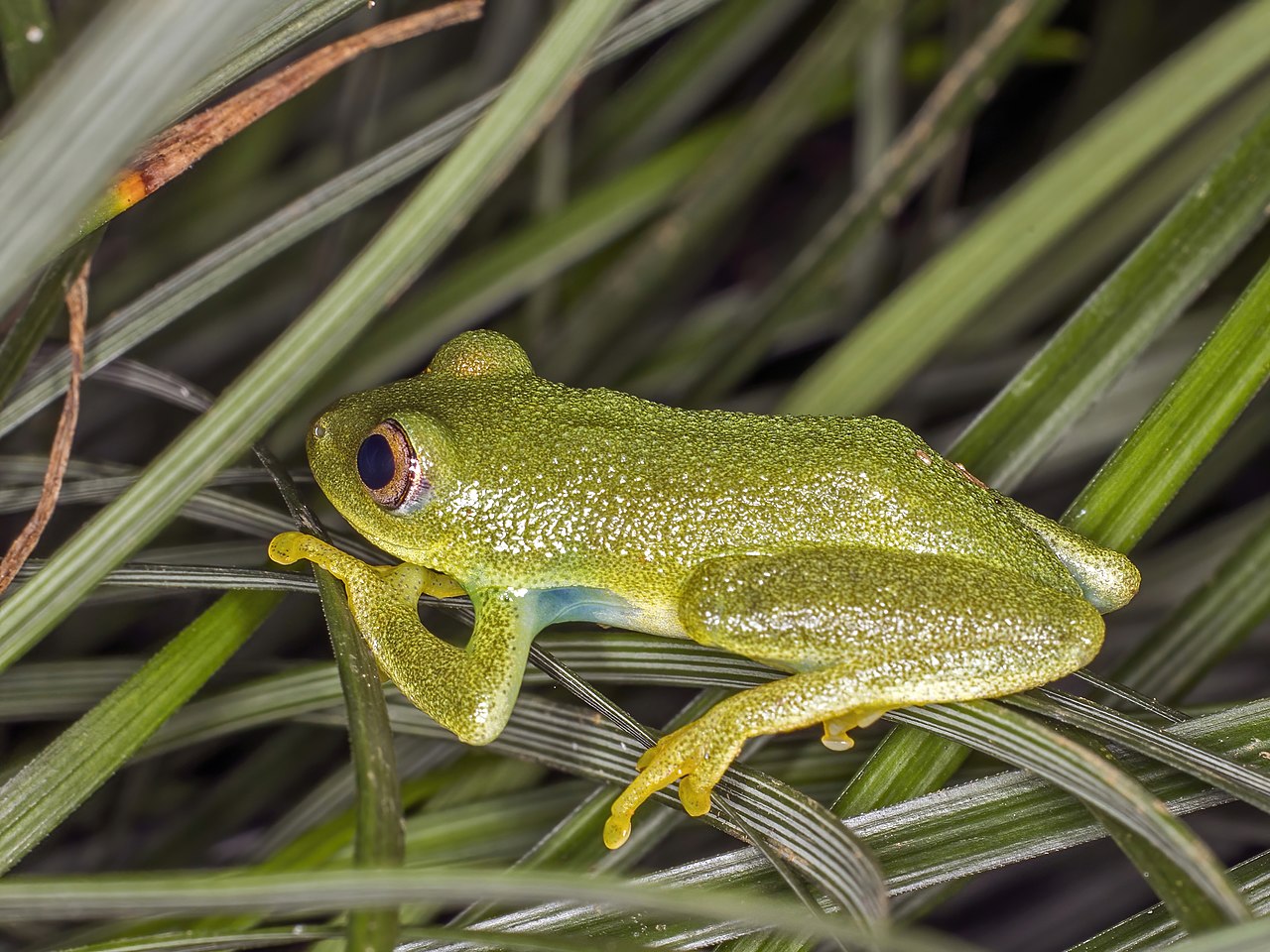
Príncipe is valued for its biodiversity, including endemic plants, land snails and bird species, and is the focus of conservation efforts and protected-area management. The island has received international attention for its natural importance and has been included in international conservation programmes. Visitors come for hiking, birdwatching, whale and dolphin watching offshore, and to experience restored plantation houses.
Access and administration
The island is administered as an autonomous region of the country, with its own local capital and institutions. Transport links to the larger island of São Tomé include regular boat services and air connections to a small airstrip, enabling tourists and researchers to reach Príncipe while helping to support the local economy and sustainable development initiatives. For background on the island's volcanic origin see volcanic origin, on regional geography see the Gulf of Guinea region, and for plantation history see plantations and colonial agriculture.
Questions and answers
Q: What is Príncipe?
A: Príncipe is a northern and smaller island of the country of São Tomé and Príncipe.
Q: Where is Príncipe located?
A: Príncipe is in the sea to the west of Africa.
Q: What is the size of Príncipe?
A: Príncipe has an area of 136 square kilometres (53 sq mi).
Q: How many people live in Príncipe?
A: Close to 5,000 people live in Príncipe.
Q: What is the highest point in Príncipe?
A: The highest point in Príncipe is Pico de Príncipe, which rises in the south to 948 metres (3,110 ft).
Q: What was the main crop produced by the plantations in Príncipe?
A: The plantations in Príncipe concentrated on producing sugar initially and later on cocoa, becoming the world's greatest cocoa producer.
Q: What was the significance of Príncipe in the scientific world?
A: Príncipe was the site where Einstein's Theory of Relativity was experimentally proved successful by Arthur Stanley Eddington and his team during the total solar eclipse of May 29, 1919.
Related articles
Author
AlegsaOnline.com Príncipe — island of São Tomé and Príncipe: geography, history and conservation Leandro Alegsa
URL: https://en.alegsaonline.com/art/79231