
Premier of Queensland
Head of Queensland's government: the state-level chief minister who leads the executive, commands a majority in the unicameral legislature, and advises the Governor representing the Crown.
The Premier of Queensland is the head of the Government of Queensland in Australia, acting as the chief minister and leader of the state's executive. At the state level the Premier performs many of the same functions as the Prime Minister of Australia does nationally: directing policy, chairing Cabinet, and representing the state in intergovernmental affairs. Formal executive authority rests with the Crown and is exercised in Queensland by the Governor of Queensland, who ordinarily acts on the Premier's advice.
Image gallery
10 Images


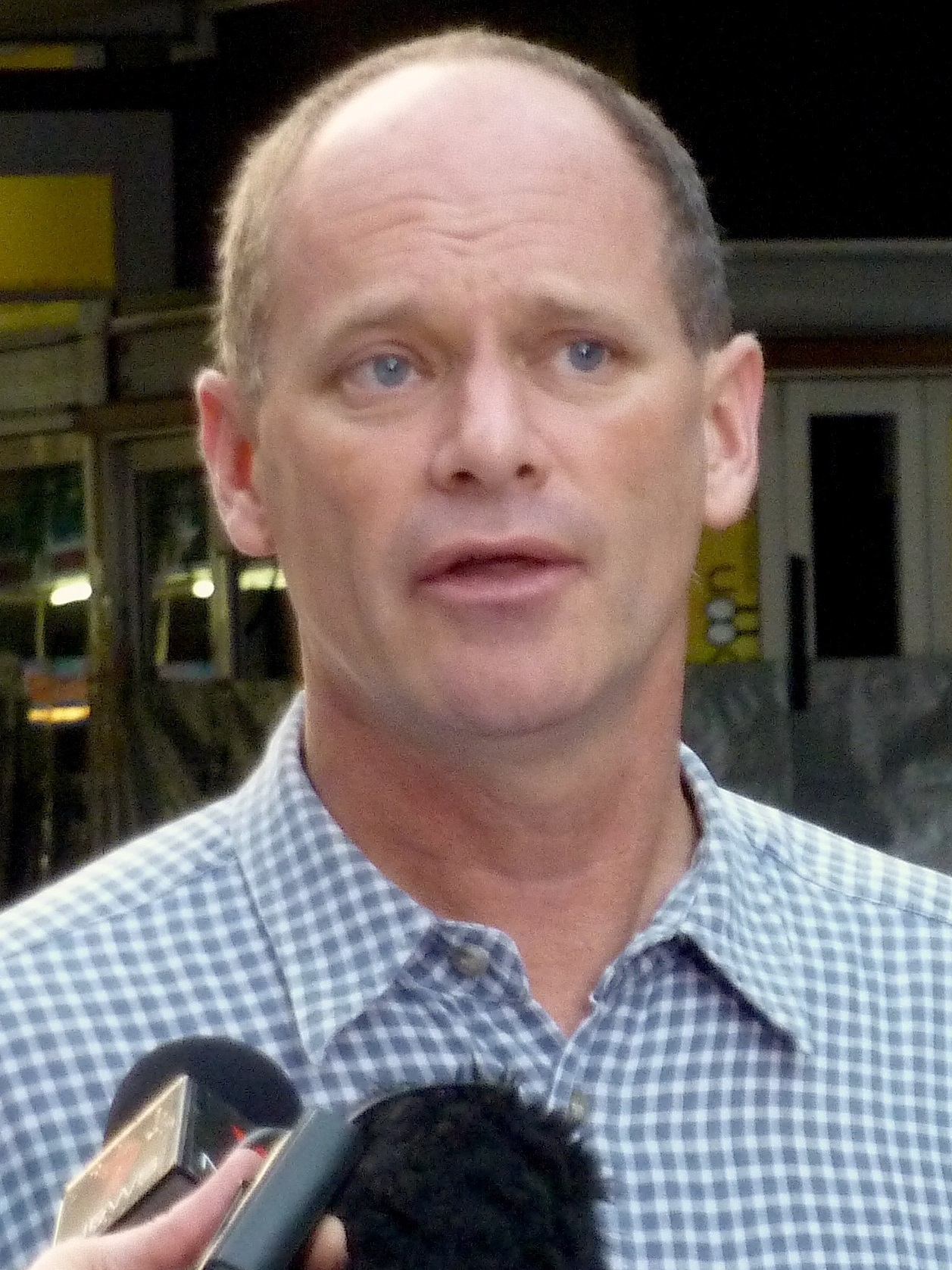
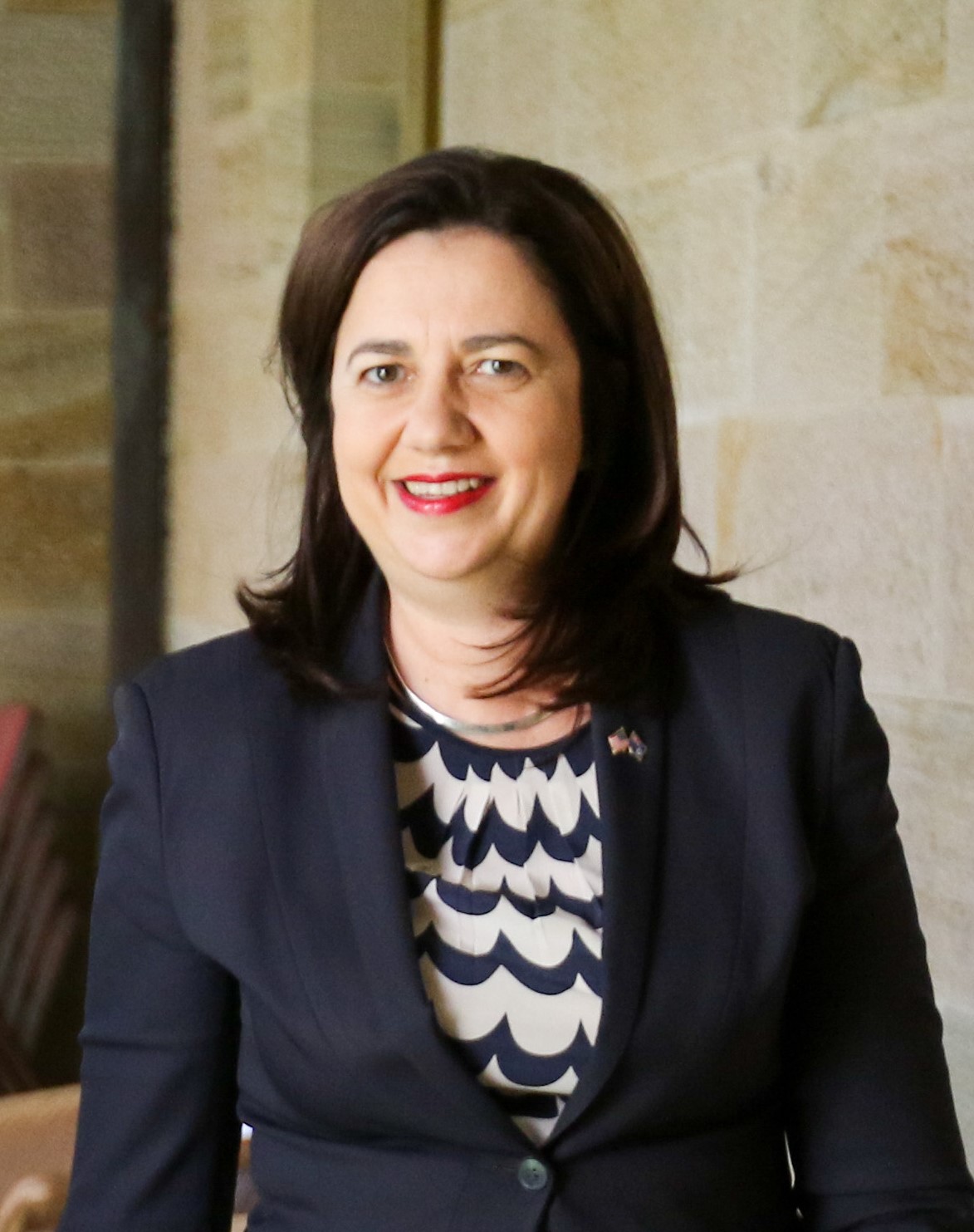


Role and responsibilities
The Premier leads the government’s agenda and is responsible for setting priorities across portfolios such as health, education, transport and emergency management. Practical duties include selecting ministers, proposing legislation to the Legislative Assembly, preparing the state budget, and negotiating with the federal government. Although the Governor holds reserve powers, routine executive decisions flow from the Premier and Cabinet.
Selection, confidence and tenure
Queensland follows the Westminster model of parliamentary government. After an election the Governor appoints as Premier the person best able to command a majority in the Legislative Assembly — normally the leader of the largest party or coalition. The Premier remains in office while they retain the Assembly’s confidence; loss of a majority, a successful no-confidence vote or withdrawal of party support can require resignation or prompt an election. Party leadership contests are another common route by which a sitting Premier may be replaced.
Legislature and distinctive features
Unlike most other Australian states, Queensland has a unicameral parliament and no upper chamber; the state abolished its Legislative Council in 1922 and now has only the Legislative Assembly. This single-house structure affects how government business is passed and how the Premier’s government is held accountable by the parliament.
Origins and historical notes
Queensland was established as a separate British colony in 1859 and gained responsible government soon after; the office of Premier evolved from the transfer of executive power from the colonial Governor to ministers accountable to the locally elected parliament. Over time the position developed the conventions of responsible government familiar across Westminster systems.
Removal, succession and notable conventions
A Premier may leave office at election defeat, by losing party leadership, by losing the Assembly’s confidence, or through advice to the Governor to dissolve parliament and call a fresh election. Political parties play a central role in selecting leaders and organising government; internal party dynamics therefore often determine who becomes and remains Premier. For further context on these institutions see general entries for bicameral systems, political parties and the colony’s origins as a British colony. For an example of a contemporary officeholder, see the current Premier profile.
Questions and answers
Q: What is the role of the Premier of Queensland?
A: The Premier of Queensland is the head of the Government of Queensland and does the same job at a state level as the Prime Minister of Australia does at a national level.
Q: Who holds the formal power in Queensland?
A: The formal power in Queensland is held by the Queen who is represented in Queensland by the Governor of Queensland.
Q: Who does the Governor of Queensland take advice from?
A: The Governor acts on the advice given to him by the Premier.
Q: Who is the current Premier of Queensland?
A: The current Premier of Queensland is Annastacia Palaszczuk.
Q: What system of parliamentary government is used in Queensland?
A: Queensland is governed under the Westminster system of parliamentary government.
Q: How many houses does the Queensland government have?
A: Unlike other Australian states, Queensland does not have a bicameral system and only has one elected house, called the Legislative Assembly.
Q: When was power passed to the Premier of Queensland?
A: Queensland became a British colony and power was held by the Governor. In 1859 Britain allowed Queensland to have its own parliament, and the power was passed to the Premier.
Related articles
Author
AlegsaOnline.com Premier of Queensland Leandro Alegsa
URL: https://en.alegsaonline.com/art/78740