
Pramoedya Ananta Toer: Indonesian novelist, essayist and political chronicler
Indonesian writer Pramoedya Ananta Toer (1925–2006) produced novels, essays and histories centered on anti‑colonialism and national identity; he gained international acclaim despite long periods of imprisonment and censorship.
Overview
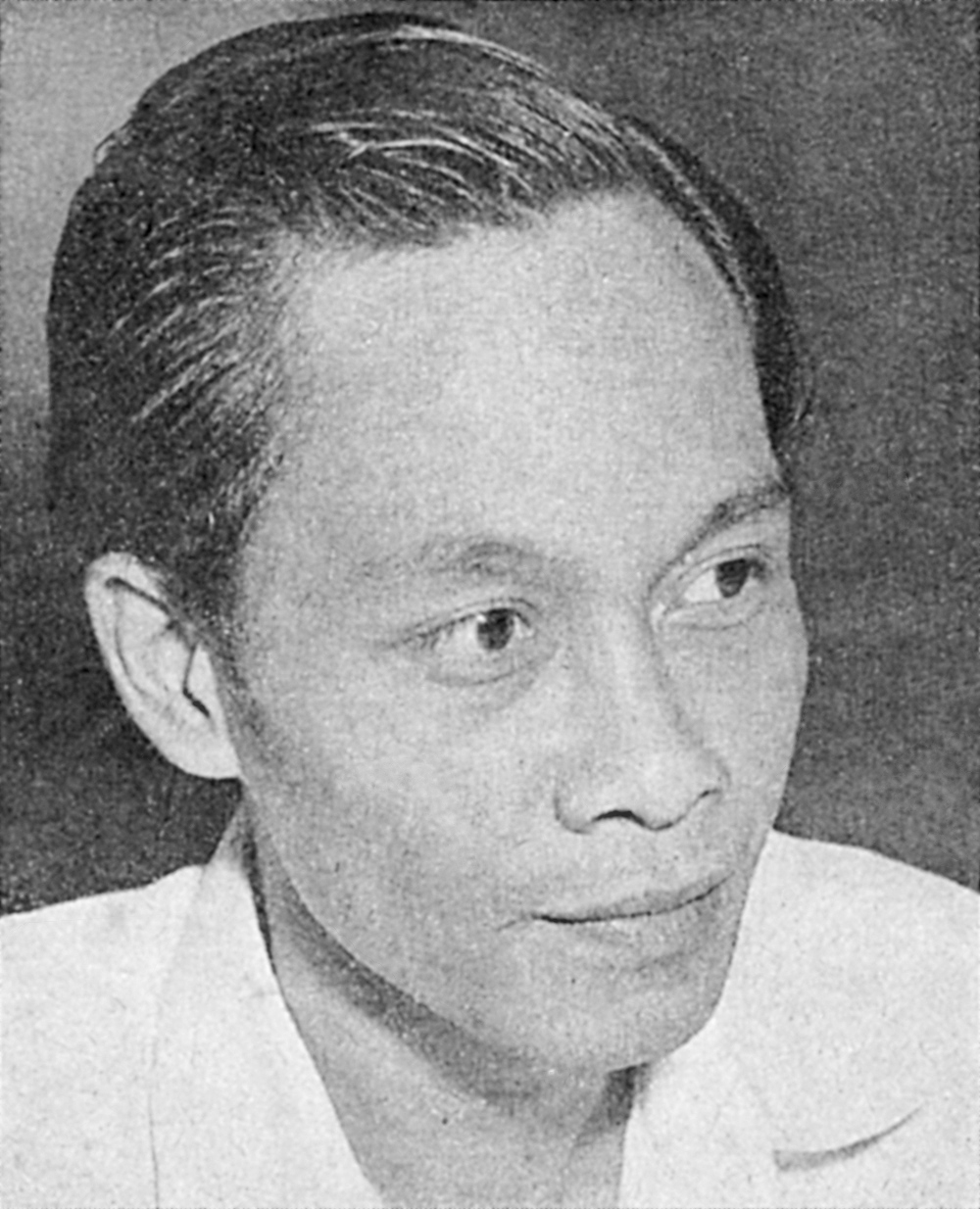
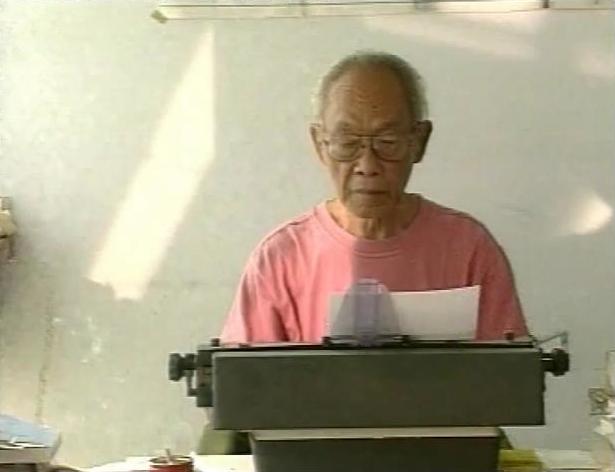
Pramoedya Ananta Toer (6 February 1925 – 30 April 2006) was one of Indonesia's best known writers of the twentieth century. His output includes novels, short stories, essays and historical writings that combine personal memory with national and social themes. Writing in Indonesian and often drawing on colonial-era archives and oral history, Pramoedya examined the effects of colonialism, racism and political power on individuals and communities.
Image gallery
5 Images


Life, political conflict and imprisonment
Pramoedya's life unfolded against the upheavals of modern Indonesian history: Dutch colonial rule, the Japanese occupation during World War II, the struggle for independence, and the turbulent transition from President Sukarno to the New Order regime of President Sukarno and later Suharto. He spent time in detention under the Dutch during the struggle for independence and was later accused of political subversion after the events of 1965. The New Order government confined him for many years on Buru Island, where restrictions on materials forced him to rely on oral composition and memorization to preserve his larger works.
Literary work and themes
Pramoedya's fiction is often historical in scope while rooted in the lived experience of colonized and marginalized people. His characters explore identity, language, gender and legal injustice in a rapidly changing society. The best-known sequence, commonly called the Buru Quartet, traces the intellectual and political awakening of a Javanese protagonist and his encounters with local and European power. Because he frequently addressed sensitive political topics, his work was subject to state censorship in Indonesia even as it won international attention.
Method and the Buru oral composition
Denied pen and paper while detained on Buru, Pramoedya narrated the early drafts of the quartet aloud to fellow prisoners; these recitations were later transcribed and smuggled out. This oral origin shaped the narrative voice and pacing of the novels and became part of the story of their creation. The quartet is often cited as an example of literature produced under extreme political constraint and of storytelling as a communal act of resistance.
Legacy, recognition and controversy
Pramoedya's standing outside Indonesia contributed to pressure from human rights and literary groups for greater freedom of expression at home. He received international literary recognition and awards and remained a controversial figure within Indonesia because of his perceived political affiliations and uncompromising critiques of authority. Scholars and readers continue to debate his place in national memory, the historical accuracy of his portrayals, and the balance between his literary craft and political message.
Selected works and further reading
- Bumi Manusia (This Earth of Mankind) — first volume of the Buru Quartet
- Anak Semua Bangsa (Child of All Nations)
- Jejak Langkah (Footsteps)
- Rumah Kaca (House of Glass)
- Numerous short stories, essays and historical studies on Indonesian society
For introductions to his life and works consult general literary surveys and biographical resources; for archives and critical studies see dedicated bibliographies and specialized collections (political context, Sukarno era, biography, censorship cases, Buru Quartet).
Questions and answers
Q: Who was Pramoedya Ananta Toer?
A: Pramoedya Ananta Toer was an Indonesian writer who wrote novels, short stories, essays, and histories of Indonesia and its people.
Q: What did the Dutch Government do to him?
A: The Dutch Government put him in prison from 1947 to 1949 during the War of Independence.
Q: How did Suharto respond to Pramoedya's writings?
A: Suharto often censored his writing in Indonesia even though he was well known outside his home country. He also sent him to a prison island from 1965 to 1979.
Q: What is the Buru Quartet?
A: The Buru Quartet is Pramoedya's most famous work which he created on the prison island of Buru. Since he wasn't allowed writing materials in prison, he told the story aloud to other prisoners and it was written down and smuggled out.
Q: What policies was Pramoedya against?
A: He was against some policies of Indonesia's first President Sukarno as well as against the New Order regime of Suharto. He spoke out against colonialism, racism and corruption within the Indonesian government.
Q: How did human rights advocates fight for his freedom of expression?
A: During all the years that he suffered in prison and house arrest, human rights advocates fought for his freedom of expression by advocating for better treatment or release from captivity.
Related articles
Author
AlegsaOnline.com Pramoedya Ananta Toer: Indonesian novelist, essayist and political chronicler Leandro Alegsa
URL: https://en.alegsaonline.com/art/78622