
Poughkeepsie Bridge (Walkway Over the Hudson)
A historic late-19th-century cantilever railroad bridge across the Hudson River, converted into the Walkway Over the Hudson State Historic Park and reopened for pedestrians in 2009.
Overview
The structure commonly called the Poughkeepsie Bridge, also known as the Poughkeepsie-Highland Railroad Bridge, is a long-span cantilever bridge that crosses the Hudson River. It links the city of Poughkeepsie on the east bank with Highland on the west. Built to carry railroad traffic, the bridge served as an important freight and passenger crossing when it opened on January 1, 1889. Following a major fire in 1974 it was closed to rail traffic and eventually taken out of service.
Image gallery
10 Images




Design and construction
Constructed in the late 19th century, the bridge employs cantilever-truss engineering, a method that allowed long spans without intermediate supports in the river channel. Its steel truss elements and masonry approaches reflected industrial-era practices for heavy railroad bridges. The original configuration and robust materials made the span a durable example of railroad engineering of its time.
History of decline and protection
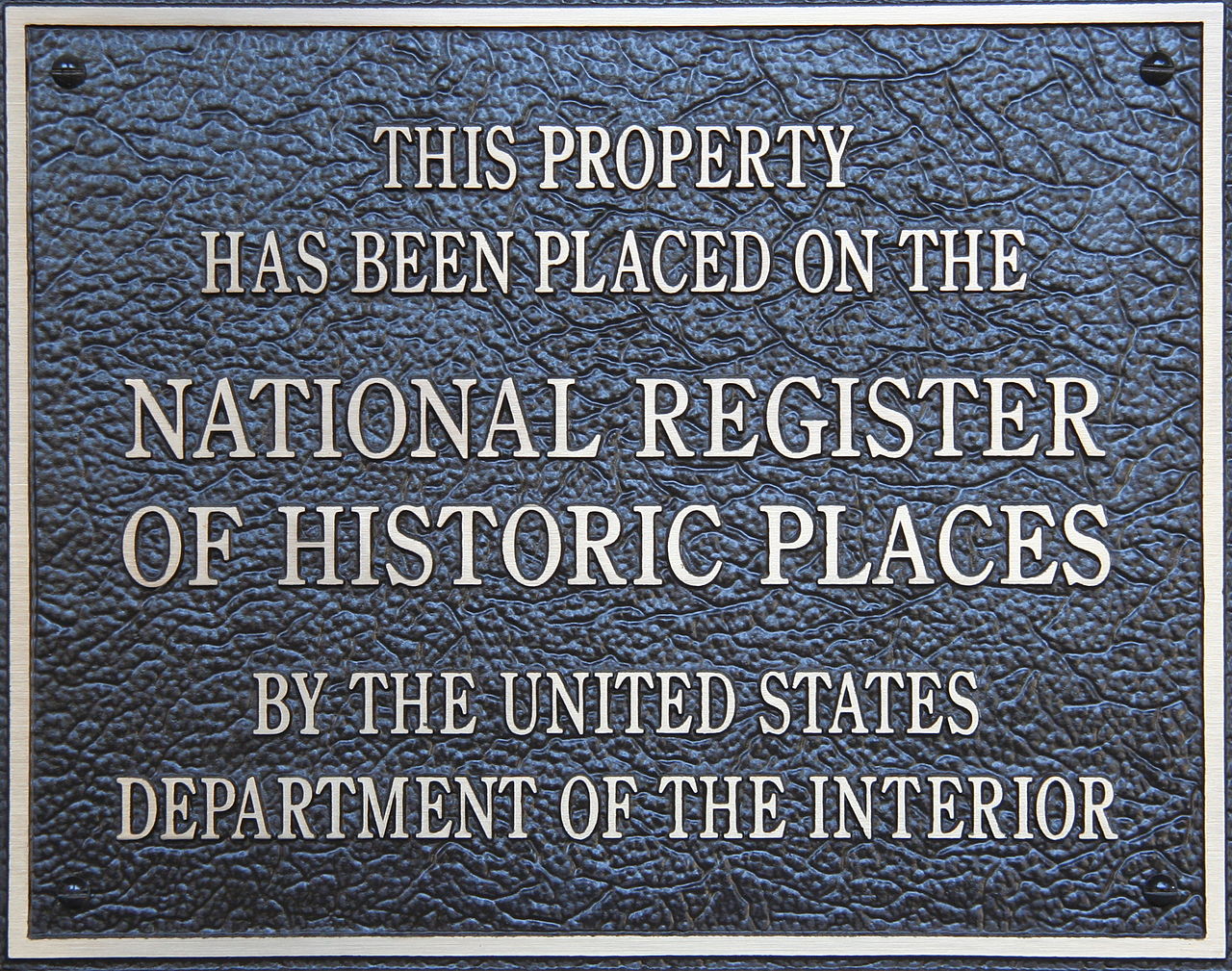
After nearly a century of rail use, a severe fire on May 8, 1974 damaged the superstructure and made the bridge unsafe for trains. It remained unused for decades, during which time its historic and visual significance was recognized. The bridge was listed on the National Register of Historic Places in 1979, an important step in raising awareness and preserving the site despite prolonged inactivity.
Restoration and conversion
Community groups, preservationists and state agencies eventually advanced a plan to rehabilitate the span for public recreation. After planning, fundraising and rehabilitation work, the bridge reopened to the public as a pedestrian walkway on October 3, 2009, becoming the Walkway Over the Hudson State Historic Park. Renovation and improvement projects cost approximately $39 million and adapted the old rail deck for safe foot and bicycle traffic, interpretive displays, and park amenities.
Uses, access and experience
Today the bridge serves as a linear park and observation platform: visitors use it for walking, jogging, cycling and river views. Interpretive signs present elements of the bridge's railroad past, its engineering, and local history. The converted span connects to trail networks and local parks, creating new recreational corridors and increasing public access to waterfront scenery.
Notable facts and distinctions
- The bridge is an example of adaptive reuse—transforming industrial infrastructure into public green space.
- It links communities on both sides of the river and supports year-round programming, events and educational activities.
- As a preserved historic structure it illustrates late-19th-century bridge design and the changing transportation patterns of the Hudson Valley.
- Public information and visitor resources are provided by state park officials and local organizations; for more on the site's design and history see detailed resources linked from official pages and interpretive materials (visitor information).
The Poughkeepsie Bridge's transformation from a working railroad span to the Walkway Over the Hudson highlights how historic infrastructure can be repurposed to serve contemporary recreational, educational and cultural needs while preserving engineering heritage and scenic river crossings for future generations.
Questions and answers
Q: What is the Poughkeepsie Bridge?
A: The Poughkeepsie Bridge is a cantilever bridge over the Hudson River that spans from Poughkeepsie, New York to Highland, New York.
Q: When was the Poughkeepsie Bridge built?
A: The Poughkeepsie Bridge was completed on January 1, 1889.
Q: What was the purpose of the Poughkeepsie Bridge when it was built?
A: The Poughkeepsie Bridge was built for trains.
Q: Why did the Poughkeepsie Bridge close down?
A: The Poughkeepsie Bridge closed down on May 8, 1974 after a bad fire.
Q: When did the Poughkeepsie Bridge become part of the National Register of Historic Places?
A: The Poughkeepsie Bridge became part of the National Register of Historic Places in 1979.
Q: What is the Poughkeepsie Bridge now known as?
A: The Poughkeepsie Bridge is now known as the Walkway Over the Hudson.
Q: How much did it cost to improve the Poughkeepsie Bridge?
A: It cost $39 million to improve the Poughkeepsie Bridge.
Related articles
Author
AlegsaOnline.com Poughkeepsie Bridge (Walkway Over the Hudson) Leandro Alegsa
URL: https://en.alegsaonline.com/art/78469
Sources
- nr.nps.gov : "National Register Information System"
- nps.gov : "New listings"
- recordonline.com : "Walkway over Hudson finished"
- commons.wikimedia.org : Walkway Over the Hudson