
Post-traumatic stress disorder: causes, symptoms, history, and treatment
Overview of post-traumatic stress disorder (PTSD): defining features, symptom clusters, causes and risk factors, historical background, diagnosis, treatment approaches, and common complications.
Post-traumatic stress disorder (PTSD) is a psychiatric condition that can occur after exposure to a frightening, dangerous, or deeply distressing event. It is commonly classified among anxiety-related and trauma- and stressor-related disorders and may develop after single incidents (for example, assault, accidents, or disasters) or repeated exposure to trauma. For general context on its diagnostic grouping see anxiety and related disorders, and for examples of events that commonly precipitate PTSD see severe harm or traumatic experiences.
Image gallery
7 Images
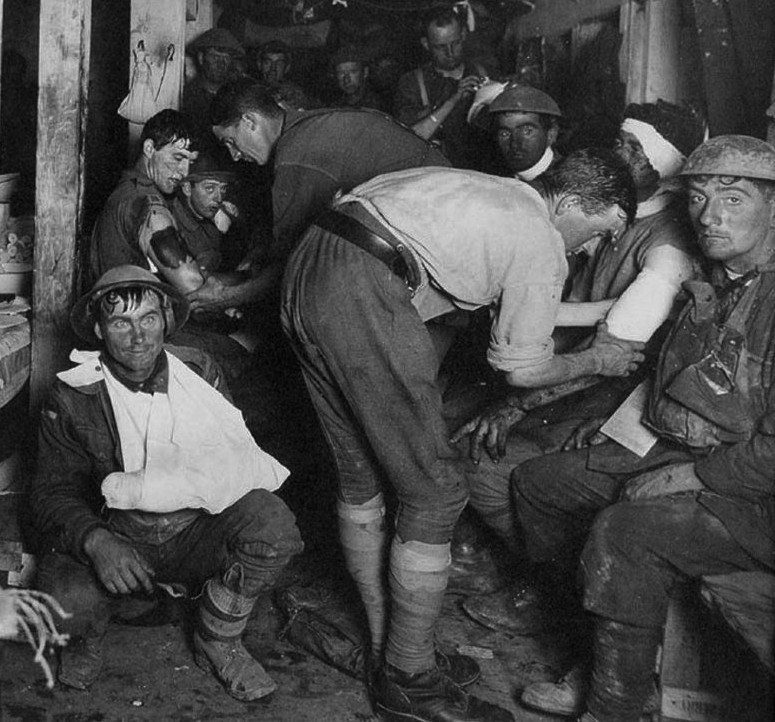


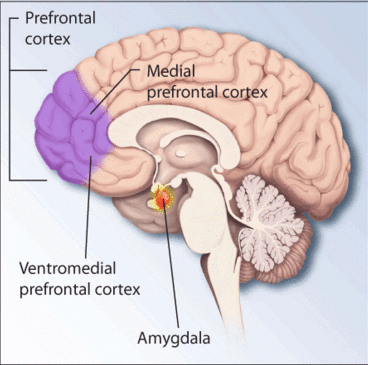
Core symptoms and clinical features
PTSD typically involves several characteristic symptom clusters that persist beyond the initial aftermath of the event. Clinicians and researchers often describe four core groups: intrusive re-experiencing (flashbacks, distressing memories, nightmares), avoidance of reminders (efforts to avoid thoughts, places, or people associated with the trauma), negative alterations in thoughts and mood (persistent negative beliefs, emotional numbness), and hyperarousal or hypervigilance (sleep problems, exaggerated startle, irritability). Symptoms vary in intensity and may fluctuate over time; for some people acute stress reactions resolve, while for others the disturbance becomes chronic and disabling.
Causes, risk factors, and biological considerations
PTSD arises from a combination of the traumatic event itself and individual vulnerability factors. Higher risk is associated with severity and proximity of the trauma, repeated or long-term exposure (for example in some emergency responders or victims of ongoing abuse), prior traumatic experiences, a history of anxiety or mood disorders, and limited social support. Biological research points to alterations in stress-response systems and brain circuits involved in memory and fear regulation, though no single biomarker defines the disorder.
History and terminology
The cluster of symptoms now labeled PTSD has been observed across cultures and historical periods. In military contexts it was once called shell shock or combat-related syndromes. Conditions with overlapping features have also been termed traumatic war neurosis or post-traumatic stress syndrome. Historical descriptions of trauma responses appear in accounts such as those of civilians who witnessed catastrophic events: for example, observers of the Great Fire of London later recorded persistent fear and sleep disruption in their diaries, an early descriptive example often cited in histories of trauma (Great Fire of London, contemporary diary accounts).
Diagnosis and distinctions
Diagnosis is clinical and based on standardized criteria in systems such as the DSM and ICD. Important distinctions include differentiating PTSD from shorter-lived traumatic stress reactions, which may resolve without long-term impairment, and from immediate wartime responses like combat stress reaction, which historically has been treated as an acute condition. A formal diagnosis generally requires that symptoms persist for a specified duration and cause marked distress or functional impairment.
Treatment and prognosis
Effective care is available and commonly includes trauma-focused psychotherapies—cognitive-behavioral approaches such as prolonged exposure and cognitive processing therapy, and eye movement desensitization and reprocessing (EMDR)—alongside supportive interventions. Medications, particularly certain antidepressants, can help reduce symptoms for some patients. Early intervention, strong social supports, and tailored treatment plans improve the chance of recovery, though some people experience long-term difficulties and may need ongoing care.
Impact, comorbidity, and public health importance
PTSD can impair relationships, work, and daily functioning and often co-occurs with depression, substance misuse, chronic pain, and other anxiety disorders. Because traumatic events are common in many populations—conflict survivors, emergency workers, survivors of assault or accidents—the disorder has substantial personal and societal consequences and is a focus of research and public health efforts to improve access to effective treatments and prevention strategies.
- See also: diagnostic criteria, common therapies, support resources (classification, trauma exposure).
- Historical note: earlier labels such as shell shock reflect evolving understanding of trauma through events like the Great Fire and documented in period diaries.
This article summarizes widely accepted features and approaches to PTSD. For individualized assessment and treatment one should consult qualified health professionals and local clinical guidelines.
Questions and answers
Q: What is post-traumatic stress disorder (PTSD)?
A: PTSD is an anxiety disorder that can develop when people experience something extremely upsetting or are severely harmed.
Q: How is PTSD different from traumatic stress and combat stress reaction?
A: PTSD is different from traumatic stress, which is less intense and shorter, and combat stress reaction, which happens to soldiers in wartime situations and usually goes away.
Q: What are some other names that PTSD has been recognized as in the past?
A: PTSD has been recognized in the past by different names, like shell shock, traumatic war neurosis, or post-traumatic stress syndrome (PTSS).
Q: When is the term shell shock mostly used?
A: Today, the term shell shock is mostly used for such conditions, in connection with World War I.
Q: Is PTSD a modern phenomenon?
A: No, PTSD is not a modern phenomenon. Throughout history, there have been many accounts of people experiencing symptoms of what is now called PTSD.
Q: Can you provide an example of someone who experienced symptoms of PTSD before modern times?
A: Yes, Samuel Pepys is an example of someone who experienced symptoms of PTSD before modern times. He witnessed the Great Fire of London in 1666 and experienced great fear of fire for months afterwards.
Q: Is it common for people who have experienced a traumatic event to develop PTSD?
A: No, not everyone who experiences a traumatic event develops PTSD, but it is important for those who do to seek help and support.
Related articles
Author
AlegsaOnline.com Post-traumatic stress disorder: causes, symptoms, history, and treatment Leandro Alegsa
URL: https://en.alegsaonline.com/art/78371
Sources
- pubmed.ncbi.nlm.nih.gov : 7492257
- archpsyc.ama-assn.org : "Trauma and posttraumatic stress disorder in the community: the 1996 Detroit Area Survey of Trauma"
- doi.org : 10.1001/archpsyc.55.7.626
- pubmed.ncbi.nlm.nih.gov : 9672053