
Poppy: biology, varieties, cultural significance and uses
Overview of the poppy: its biology, colors and forms, history of use (culinary and medicinal), role in pollination and remembrance, and distinctions between ornamental and opium-producing types.
The word poppy refers to several species of flowering plants in the poppy group, traditionally placed in the poppy subfamily and recognized for their showy, delicate petals. In botanical contexts the term covers a number of genera and species; readers can consult a taxonomic overview via plant classification resources. Bright red poppies in particular have become powerful symbols of remembrance since the First World War: they feature in commemoration of Armistice Day (Armistice Day) and Remembrance Day (Remembrance Day) across many countries of the Commonwealth.
Image gallery
10 Images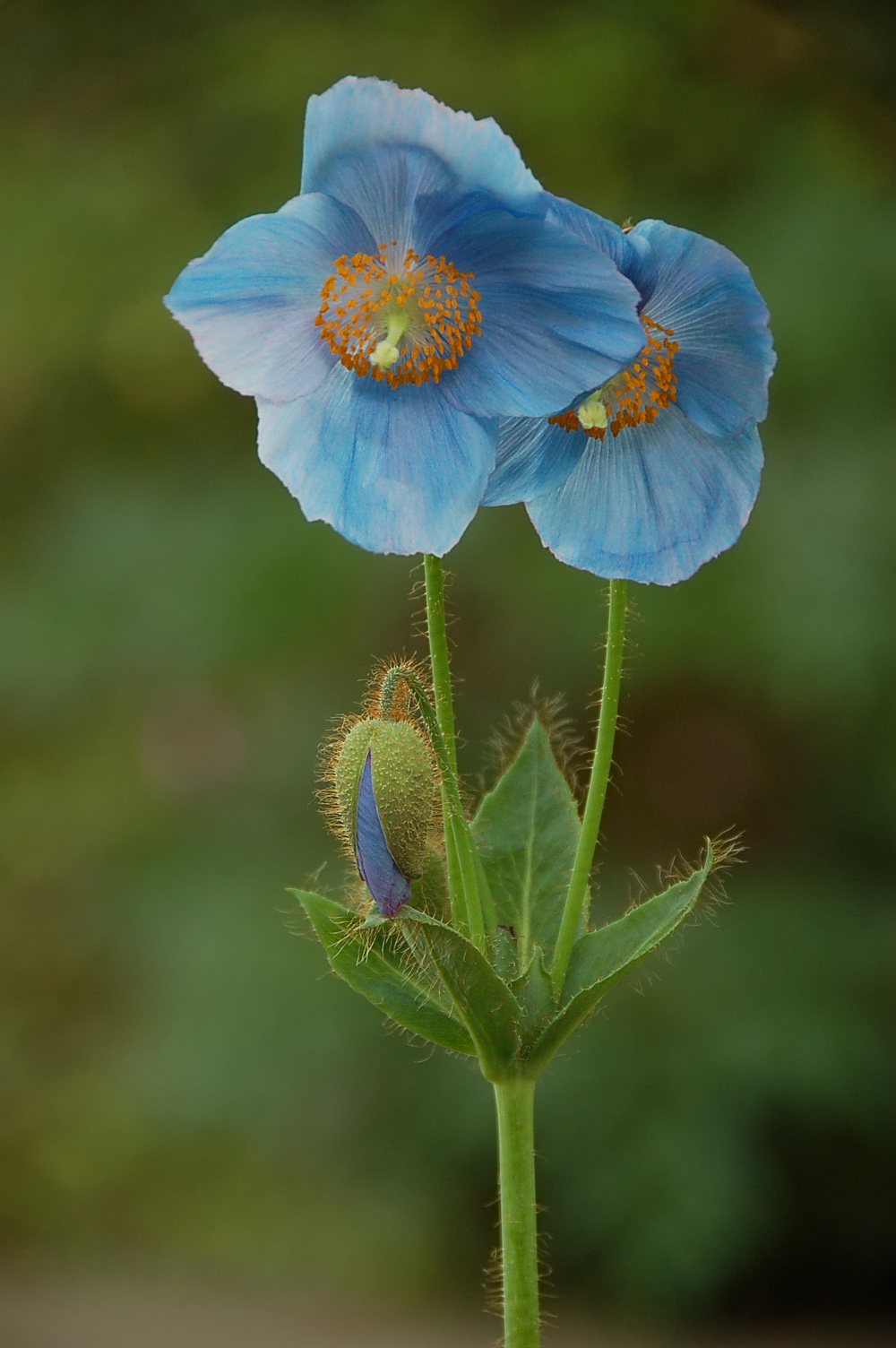




Appearance and botanical characteristics
Poppies range from short alpine species to tall herbaceous plants and are often grown for their single, conspicuous flowers. Many species produce just one flower per stalk, a trait noted in horticultural descriptions (one per stem), and flowers develop from a tightly crumpled bud before the petals relax and fall. Members of the wider poppy group are generally placed within the poppy family (poppy family), though cultivated selections span many forms and sizes (cultivated species).
- Petal colors documented in garden and wild species include white, pink, yellow, orange and red, and even blue tones in selective breeding.
- Some poppies show contrasting dark disks or blotches at the petal base; others are single, solid colors.
History, cultivation and uses
Poppies have a long relationship with people. Certain species were used in ancient medicine: preparations from poppy plants were employed for pain relief in classical and early medical traditions. The species Papaver somniferum is notable because it can be cultivated both as an ornamental and as the source of opium and related alkaloids. Plants that yield opium or that are processed to produce opiates are often described in literature about drugs and agriculture (drug production, opium).
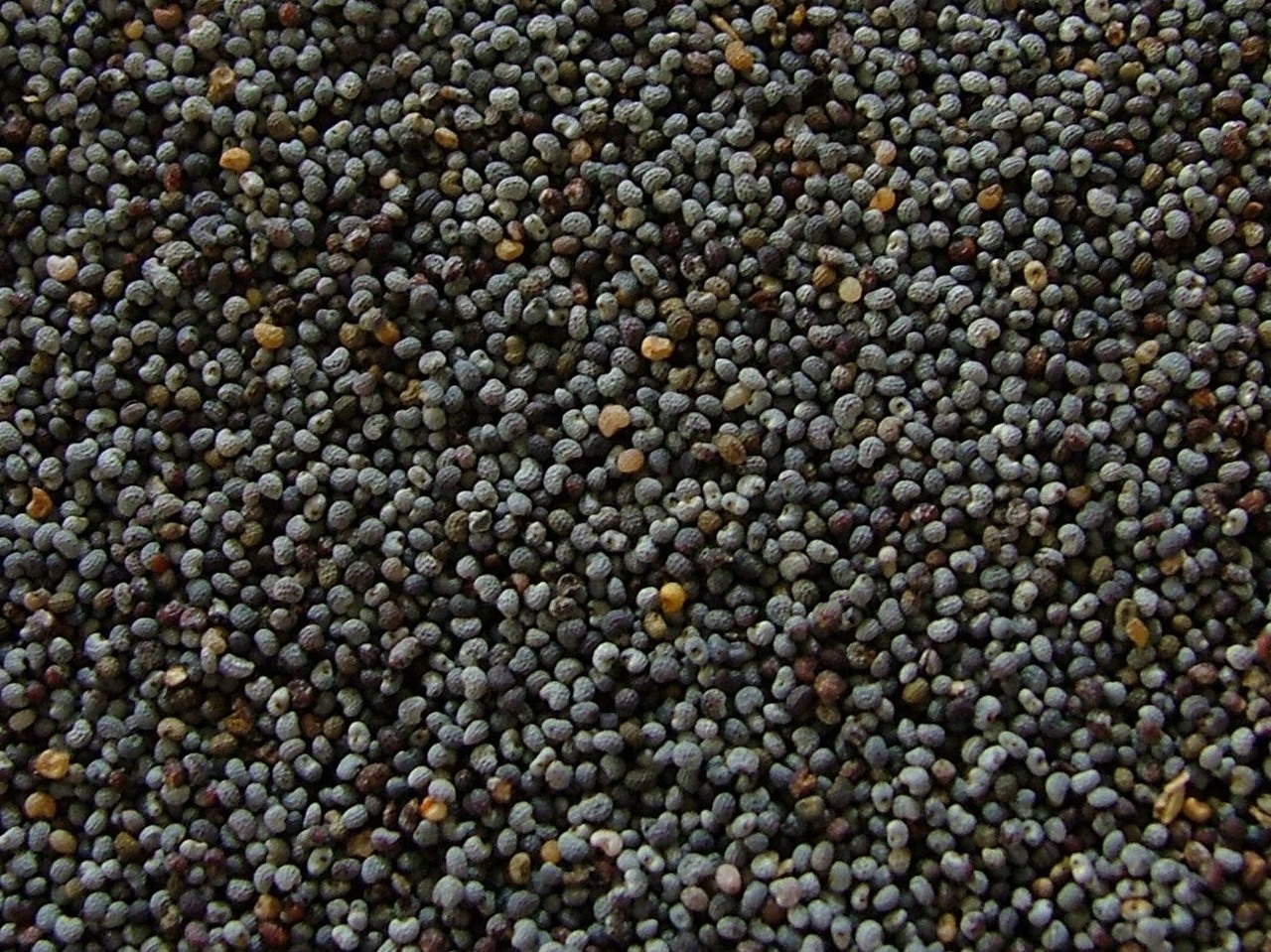
Poppy seeds are widely used in cooking and baking and are harvested from the same species that may produce opiate-containing latex; however, the small seeds themselves contain only trace amounts of alkaloids. Historic and pharmacological sources note that compounds such as morphine and codeine can be associated with the plant, and that the alkaloid content of seeds declines after the flower has matured. Culinary uses of poppy seed and oil are common worldwide (culinary seeds and oils).
Ecology and pollination
Poppies are valued in wildflower mixes and garden settings for both their color and their role in supporting insects. Pollen from species such as the oriental and field poppies may be distinctive in hue—botanical notes record dark or greyish pollen—and poppies are an important pollen source for bees. Observers and ecological guides note that bees visit poppy blooms primarily for pollen rather than nectar (pollen characteristics, bees and pollination).
Varieties, ornamental use and important distinctions
Gardeners cultivate many poppy varieties for borders, meadows and rock gardens. Some types are bred for mass displays of single-season color; others are prized for large, perennial forms with bold petals. Horticultural resources contrast ornamental poppies with species grown for opium production, and emphasize practical distinctions—such as seed use versus latex collection—when discussing cultivation and regulation (cultivated varieties, opium-producing types).
- Ornamental poppies: selected for flower color, size and hardiness, used in borders and naturalized plantings.
- Seed-producing poppies: harvested for culinary seeds and oil (baking and cooking).
- Opium-producing varieties: managed under strict laws in many countries because the same species can yield medicinal alkaloids (industrial uses, pharmaceutical context).
Beyond horticulture and medicine, poppies hold cultural and symbolic roles in art, literature and public remembrance, and they continue to be studied for their botany, chemistry and ecological relationships. For further reading on classification, cultivation and cultural history, consult specialized plant guides and historical summaries (taxonomic guides, historical commemorations, remembrance sources, Commonwealth observances, alkaloid studies, pharmacology references, horticultural notes, family descriptions, white varieties, pink varieties, yellow varieties, orange and red varieties, blue varieties, cultivar lists, pollen studies, pollinator information, culinary uses).
Questions and answers
Q: What is a poppy?
A: A poppy is a flowering plant in the subfamily Paperveroideae. It is known for its bright red flowers which are symbolic and used to remember those who died in wars.
Q: What do poppy seeds contain?
A: Poppy seeds contain small quantities of both morphine and codeine, which are pain-relieving drugs that are still used today.
Q: How many colors can poppies be?
A: Poppies can be white, pink, yellow, orange, red and blue. Some have dark center markings and cultivated species may include other colors ranging from dark solid colors to soft pastel shades.
Q: What happens before a poppy blooms?
A: Before blooming, the petals of a poppy are crumpled in bud.
Q: What color is the pollen of an oriental poppy?
A: The pollen of an oriental poppy (Papaver orientale) is dark blue.
Q: What color is the pollen of a field or corn poppy?
A: The pollen of a field or corn poppy (Papaver rhoeas) is dark blue to grey.
Q:What type of poppy is grown for opium or opiates?
A:The opium poppy (Papaver somniferum) is grown for opium, opiates or seeds to be used in cooking and baking.
Related articles
Author
AlegsaOnline.com Poppy: biology, varieties, cultural significance and uses Leandro Alegsa
URL: https://en.alegsaonline.com/art/78115