
Pontifical Academy of Sciences
Vatican-based international scientific academy tracing its roots to the Accademia dei Lincei (1603). It convenes leading researchers, publishes findings, and advises the Holy See on science, ethics and human welfare.
Overview
The Pontifical Academy of Sciences is an international scientific body based in the Vatican that promotes scientific progress, fosters interdisciplinary exchange, and offers independent scientific advice to the Holy See. Membership spans natural sciences, mathematics, engineering, social sciences and related disciplines. The academy brings together established researchers, including many who have been recognised with major international honours, to study issues of scientific import and their social and ethical implications.
Image gallery
5 Images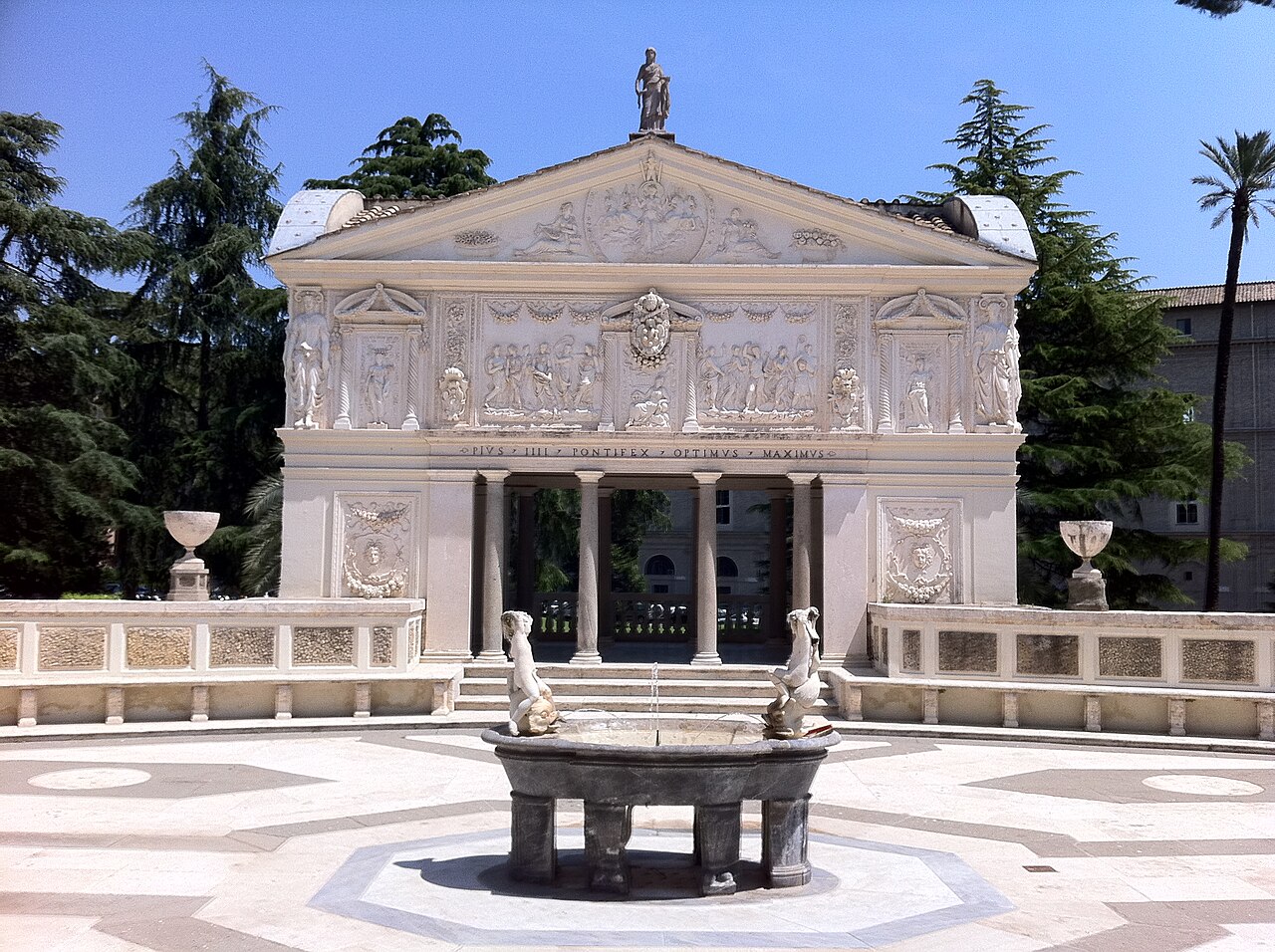


Origins and development
The academy traces its origins to the Accademia dei Lincei, founded in 1603 and notable for early members such as Galileo. In the 19th century a successor institution was established with papal association and later, in the 20th century, it was reorganized by Pope Pius XI in a Motu proprio titled In multis solaciis. Since that reorganization the academy has developed an explicitly international and multidisciplinary character while remaining connected to the Pontifical household.
Structure and membership
Members are elected on the basis of scientific distinction and include scholars from many countries and a variety of intellectual and religious backgrounds. The academy is governed by officers and supported by committees and working groups that prepare studies on particular themes. It operates with institutional independence in its scientific judgements, enabling open dialogue with the global research community and with other scientific bodies.
Activities and publications
Key activities include organizing study weeks, international conferences, workshops and plenary sessions that examine contemporary scientific challenges. Topics addressed in recent decades have included climate and environmental science, biodiversity, public and global health, bioethics, cosmology and the foundations of mathematics. The academy issues reports, conference proceedings and statements intended to summarize current scientific knowledge and to clarify its implications for policy, ethics and human development.
Role and influence
The Pontifical Academy of Sciences occupies a distinctive role at the interface of science and religion. It does not pronounce on doctrine but aims to ensure that scientific evidence and reasoning inform the conversations of Church leaders and international audiences about issues such as environmental stewardship, health care, the responsible use of technology and the ethical dimensions of research. Its meetings and publications often contribute to public understanding and to interdisciplinary exchange between scientists, philosophers and theologians.
Location and facilities
The academy is based in Vatican City, historically housed in the Casina Pio IV, where meetings and seminars take place in premises adapted for research gatherings. Its physical setting reflects its unique mission: an academic institution that convenes experts for deliberation on matters of common human concern, while maintaining openness to contributors from different cultural and intellectual traditions.
Collaborations and outreach
Through partnerships with universities, research institutes and other academies, the Pontifical Academy of Sciences fosters collaborative projects and exchanges. It encourages younger scientists and supports efforts to communicate scientific knowledge in ways that inform ethical reflection and public policy. While rooted in a particular institutional context, the academy emphasises scientific rigour, international cooperation and attention to the welfare of humanity and the natural world.
Questions and answers
Q: What is the Pontifical Academy of Sciences?
A: The Pontifical Academy of Sciences is an institution that dates back four centuries to its creation as the Accademia dei Lincei in 1603.
Q: When was the name of the institution changed to the Pontifical Academy of the New Lincei?
A: The name of the institution was changed to the Pontifical Academy of the New Lincei in 1847 by Pope Pius IX to signify its new status as an official institution of the Pontifical State.
Q: When did the institution change its name to the Pontifical Academy of Science?
A: The institution was reorganized as the Pontifical Academy of Science on October 28, 1936, by Pope Pius XI in a Motu proprio In multis solaciis (Latin "Among the many consolations").
Q: Who created the Accademia dei Lincei?
A: The Accademia dei Lincei was created four centuries ago in 1603.
Q: Who changed the name of the institution to the Pontifical Academy of the New Lincei?
A: The name of the institution was changed by Pope Pius IX to signify its new status as an official institution of the Pontifical State.
Q: Who reorganized the institution as the Pontifical Academy of Science?
A: The institution was reorganized as the Pontifical Academy of Science on October 28, 1936, by Pope Pius XI.
Q: What was the Latin name of the Motu proprio that reorganized the institution as the Pontifical Academy of Science?
A: The Latin name of the Motu proprio that reorganized the institution as the Pontifical Academy of Science is In multis solaciis, which means "Among the many consolations".
Related articles
Author
AlegsaOnline.com Pontifical Academy of Sciences Leandro Alegsa
URL: https://en.alegsaonline.com/art/77996
Sources
- pas.va : The Four-Hundredth Anniversary of the Pontifical Academy of Sciences (2003); pp 115
- vatican.va : A.A.S., vol. XXVIII (1936); pp. 421424