
Pont du Gard: Roman aqueduct bridge in southern France
Pont du Gard is a well-preserved Roman aqueduct bridge near Vers-Pont-du-Gard that carried water to Nîmes. Built in the 1st century, its three tiers of arches reach 49 m and it is a UNESCO World Heritage Site.
The Pont du Gard is a monumental Roman aqueduct bridge located in southern France. It spans the Gardon valley near the village of Vers-Pont-du-Gard in the Gard département and once carried water across the river (the Gardon, sometimes called the Gard) toward the Roman colony of Nîmes. The structure is celebrated for the quality of its stone masonry, the clarity of its arches and the harmony of its proportions.
Image gallery
10 Images
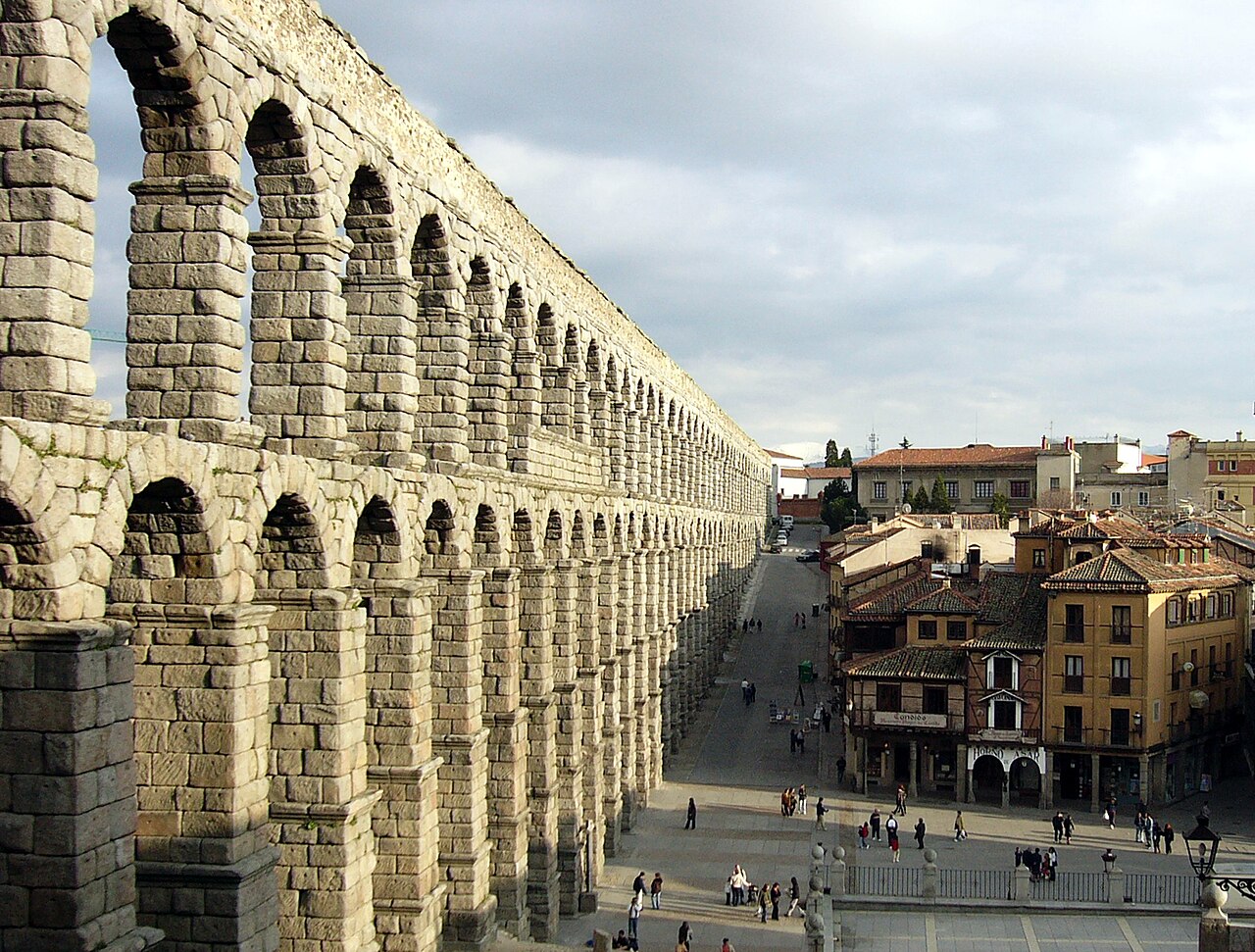


Design and engineering
The bridge is the highest surviving structure of its kind from antiquity, rising to about 49 metres above the river and composed of three stacked levels of arches. The entire aqueduct system that fed Nîmes stretched for nearly 50 kilometres, maintained a very gentle gradient and relied on precise surveying and stone-cutting techniques. The Pont du Gard itself is built from locally quarried limestone blocks, fitted without visible mortar in many parts, and shows Roman mastery of load distribution through successive rows of arches.
History and later life
Constructed in the early Roman Imperial period—commonly dated to the 1st century CE (1st century)—the Pont du Gard functioned as part of a larger aqueduct system for several centuries. After the fall of Roman authority the water system gradually fell out of use, but the bridge remained in service for other purposes: as a crossing, a defensive point and later as a toll road. Over the centuries it has undergone repairs and interventions intended to preserve its fabric.
Conservation and recognition
Because of its exceptional state of preservation and testimony to Roman civil engineering, the Pont du Gard was inscribed as a UNESCO World Heritage Site in 1985. It is a focus for conservation work that balances archaeological authenticity with visitor access. Flooding of the Gardon, environmental wear and past alterations are ongoing management challenges for conservationists and local authorities.
Importance and visitor experience
Today the Pont du Gard is both an archaeological monument and a major tourist attraction. Visitors can view the bridge from multiple vantage points, follow walking paths along the river, and learn at an on-site interpretation centre about Roman hydraulics and regional history. The site is also used for cultural events and educational programs that highlight its historical and technical significance.
Key facts
- Type: Roman aqueduct bridge across a river valley.
- Height: approximately 49 metres at its highest point.
- Length of the full aqueduct system: close to 50 kilometres supplying Nîmes.
- Location: Vers-Pont-du-Gard, Gard département, southern France (south).
- Historical period: built in the early Roman Imperial era (1st century).
- Designation: UNESCO World Heritage Site (1985).
Questions and answers
Q: What is the Pont du Gard?
A: The Pont du Gard is a Roman aqueduct in France.
Q: Where is the Pont du Gard located?
A: The Pont du Gard is located in the Gard département, in the area of the commune of Vers-Pont-di-Gard.
Q: What does the name "Pont du Gard" mean?
A: The name "Pont du Gard" should mean "Bridge over the Gard" (the river Gardon).
Q: What was the purpose of the Pont du Gard?
A: The aqueduct supplied the city of Nîmes with water.
Q: How long is the Pont du Gard?
A: The Pont du Gard has a length of nearly 50 kilometres.
Q: How high is the bridge of the Pont du Gard?
A: The bridge of the Pont du Gard is 49 metres high and has bows on three levels.
Q: When was the Pont du Gard built and what is its significance?
A: The Pont du Gard was probably built in the 1st century and in 1985 it was classified a World Heritage Site.
Related articles
Author
AlegsaOnline.com Pont du Gard: Roman aqueduct bridge in southern France Leandro Alegsa
URL: https://en.alegsaonline.com/art/77952