
Polytonality: Music using two or more keys simultaneously
Polytonality is the musical practice of combining two or more distinct keys at once. This article explains what polytonality is, how it sounds and works, its history, notable examples, and how it differs from related techniques.
Overview
Polytonality describes music in which more than one key (tonal centre) is active at the same time. When two keys appear together the term bitonality is often used; when several keys are present the broader term polytonality applies. The result can be a clash of tonal centres, a layered texture in which different instruments or hands operate in separate keys, or a deliberately ambiguous harmonic environment that challenges the ear accustomed to single-key music.
Image gallery
8 Images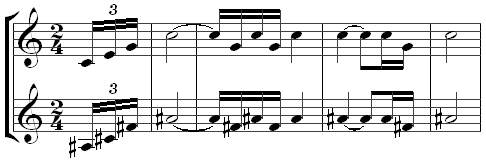


Musical characteristics
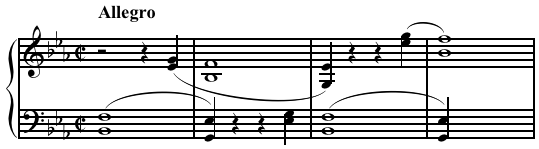
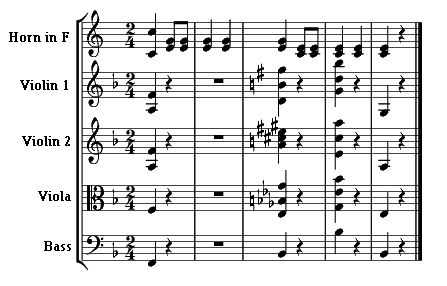
Polytonal writing typically contrasts distinct pitch collections and chord functions. One voice group might behave as if anchored in C major while another moves according to F# major, producing intervals and sonorities that would not occur in a single-key context. Composers use polytonality to obtain:
- Colour and tension — simultaneous keys create striking dissonances and novel vertical sonorities.
- Layering — separate instrumental groups can present independent tonal narratives.
- Ambiguity — listeners may perceive shifting centres or multiple interpretations of the same passage.
History and development
Though isolated examples appear earlier, polytonality became more visible in late 19th and early 20th-century art music as composers experimented with expanded harmony. In the early 20th century, several composers explored writing with concurrent keys as part of broader modernist experiments. The technique was used sometimes as an expressive device, sometimes as an abstract structural principle, and sometimes simply as a sound effect.
Examples, composers and contexts
Well-known uses of polytonality include the opening of the second tableau of Igor Stravinsky's ballet Petrushka, where two clarinets outline different key collections and create the famous “Petrushka chord.” Composers associated with polytonal or bitonal passages include Igor Stravinsky, Darius Milhaud, Béla Bartók, and Charles Ives, among others. The technique appears in orchestral, chamber, piano, and choral works; sometimes it is brief and effectual, sometimes it forms the basis for longer passages.
Distinctions and listening notes
Polytonality differs from related practices: polytonality uses multiple established keys at once, whereas atonality avoids a tonal centre entirely. Parallel modal mixtures or complex chromatic harmony can sound similar but are not necessarily polytonal if they imply a single shifting centre. Listeners hoping to hear polytonality can try isolating different instrument groups or hands on the piano and imagining each group as operating in its own key.
Further reading and resources
- Definition and basic concepts
- Explanation of musical keys
- Scales and their role in key formation
- 20th-century music overview
- Igor Stravinsky
- Petrushka (ballet)
- Petrushka: score and analysis
- Clarinet: role in orchestral texture
- Melodic functions across keys
- Darius Milhaud and polytonality
- Béla Bartók's harmonic experiments
- Charles Ives and layered tonality
Questions and answers
Q: What is polytonality in music?
A: Polytonality is the use in music of several keys at the same time.
Q: What is bitonality in music?
A: Bitonality is the use in music of two keys at the same time.
Q: What is the most common form of traditional music?
A: Most traditional music is "in a particular key" e.g. in "C major" or in "D major" or in "D minor".
Q: What are the notes used in a C major scale?
A: Music that is in C major uses the notes of a C major scale.
Q: Can music be in more than one key at once?
A: Yes, in the 20th century, some composers sometimes wrote music which is in more than one key at once.
Q: What is the name of the well-known example of polytonality in music?
A: A well-known example is the beginning of the second tableau of Igor Stravinsky's ballet, Petrushka.
Q: Who are some composers who have used bitonality or polytonality in their work?
A: Composers who have used bitonality or polytonality include Igor Stravinsky, Darius Milhaud, Béla Bartók, Charles Ives, and many others.
Related articles
Author
AlegsaOnline.com Polytonality: Music using two or more keys simultaneously Leandro Alegsa
URL: https://en.alegsaonline.com/art/77887