
National Police (France)
The Police Nationale is France’s civilian state police force responsible for law enforcement in urban areas, public order, criminal investigations and specialized operations across the Republic.
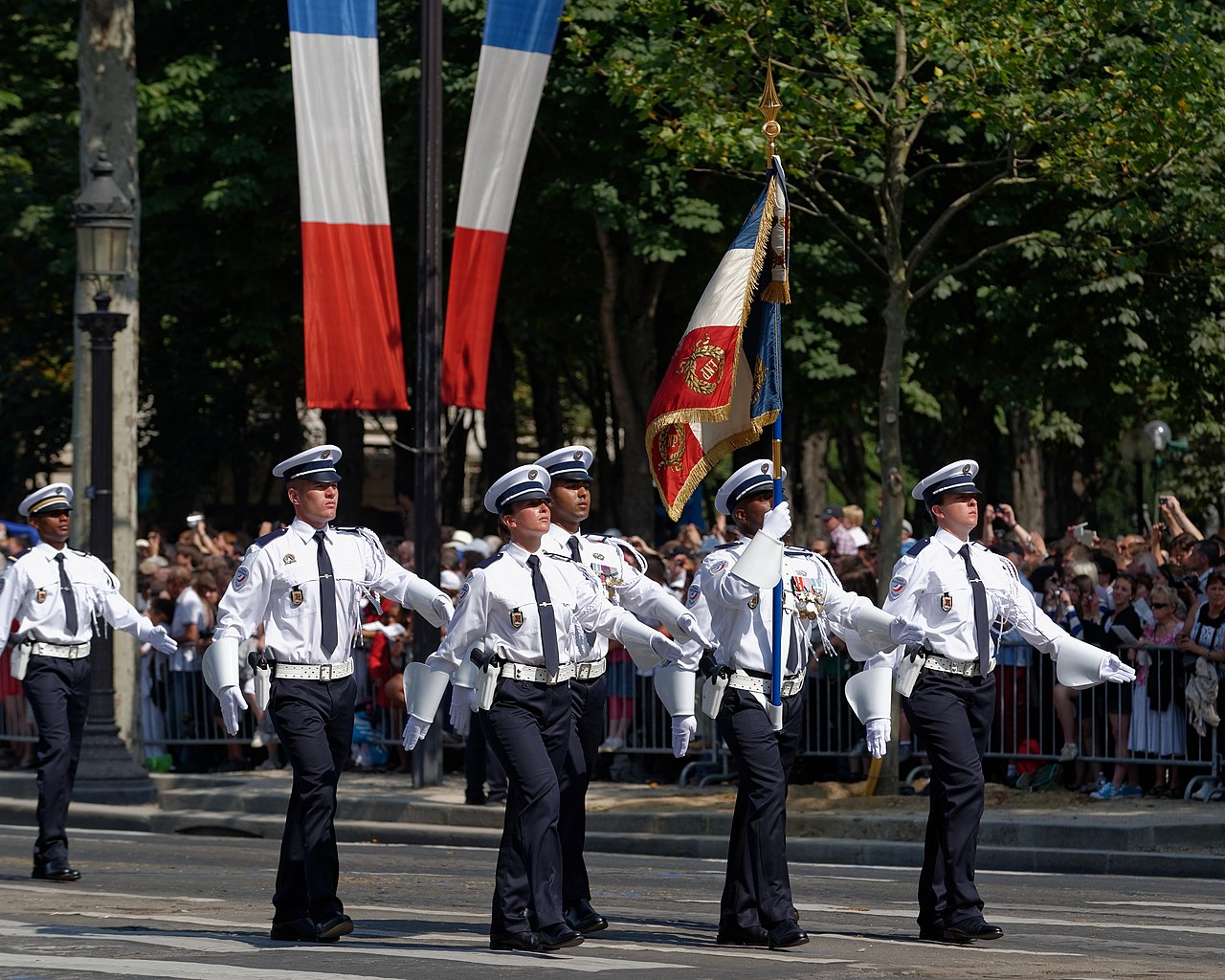
The Police nationale is France’s principal civilian state police force responsible for maintaining public order, preventing and investigating crime, and protecting people and property in urban areas. Unlike the Gendarmerie nationale, whose personnel are military, officers of the Police nationale are civilian functionaries of the state. The service operates under the authority of the Ministry of the Interior and is deployed primarily in cities and large towns.
Image gallery
10 Images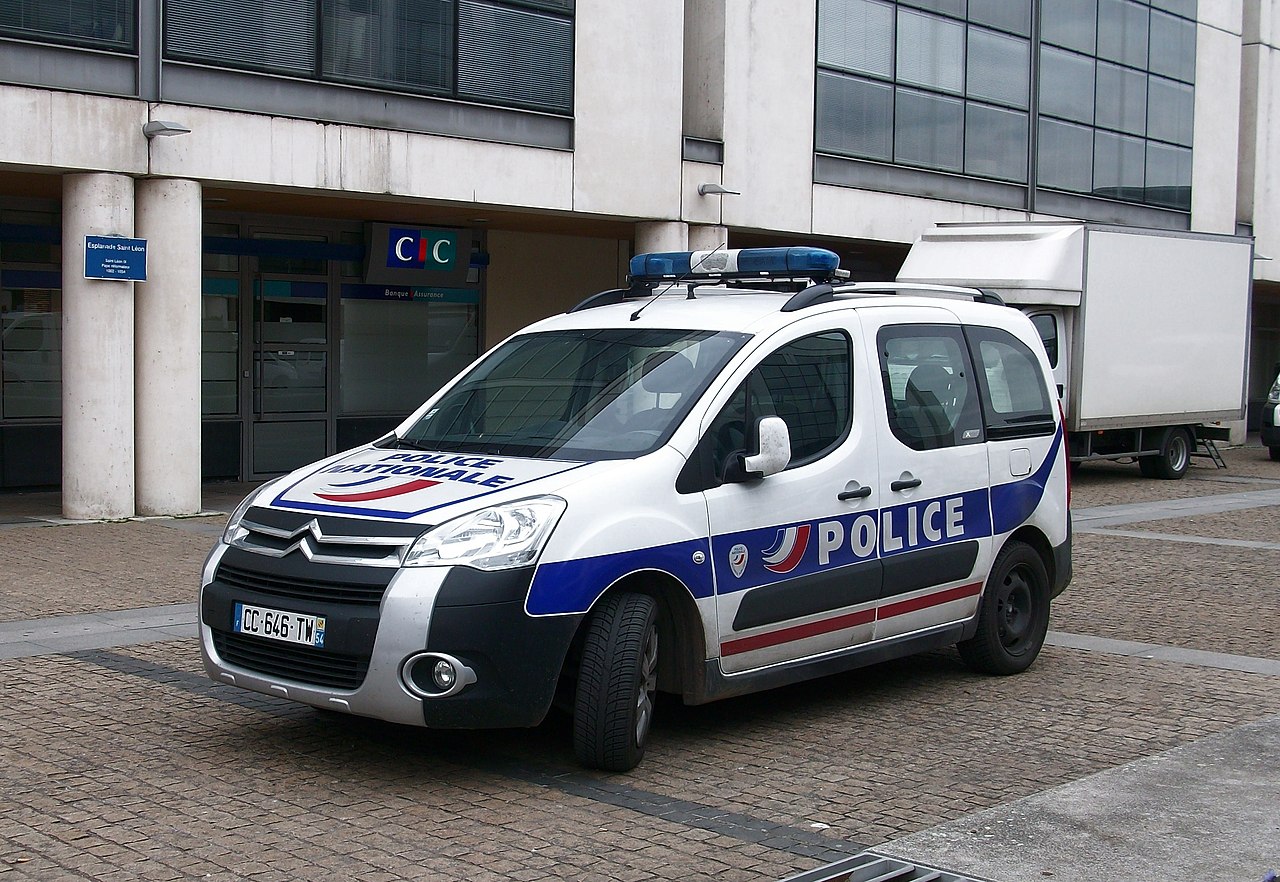



Organization and main components
The force is structured into several directorates and specialized units, each with distinct responsibilities. Core components include general public security units, the judicial police responsible for criminal investigations, units for border and immigration control, and specialized tactical or intervention teams such as metropolitan tactical response teams and counter-terror units. Administrative and support directorates handle human resources, logistics and technical services.
Roles and typical duties
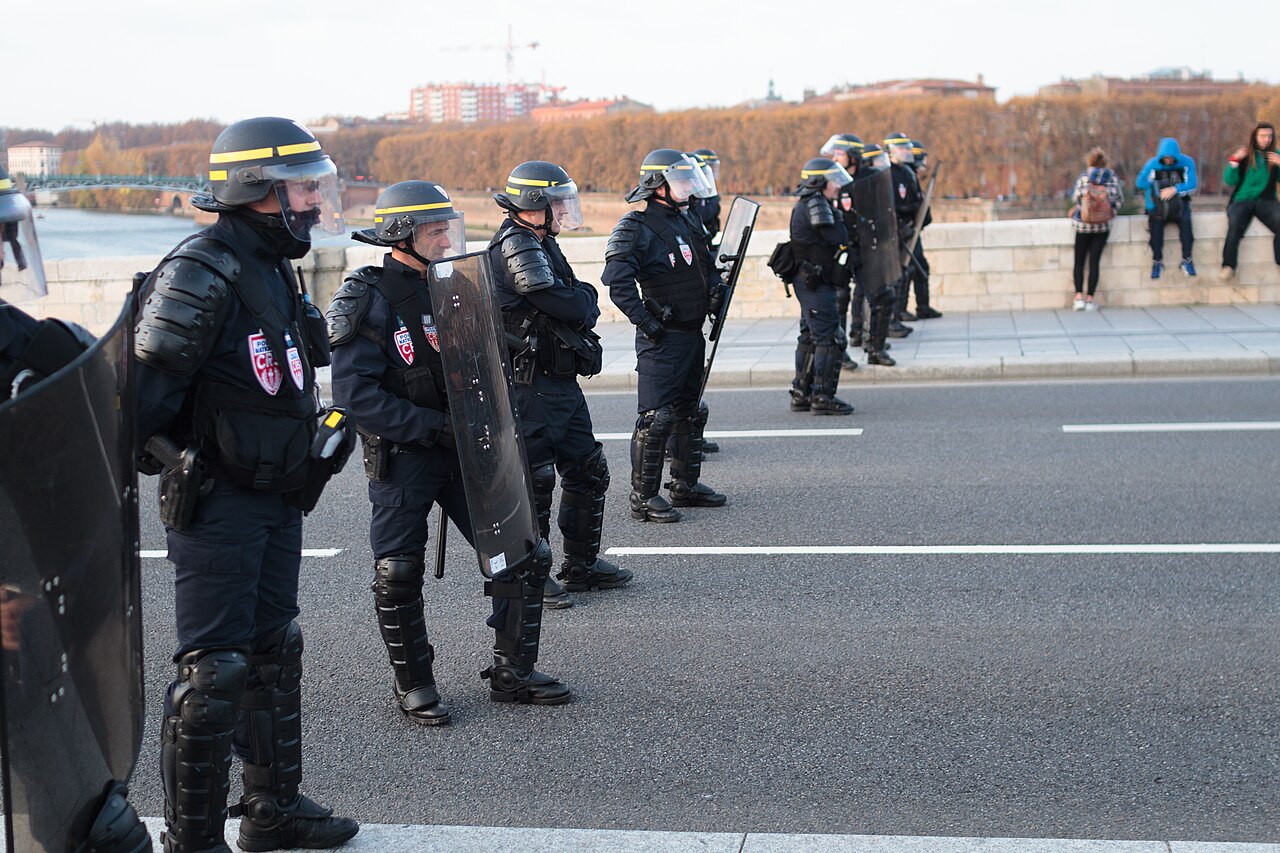
Typical duties of the Police nationale encompass patrol and crime prevention, emergency response, criminal investigation and forensic work, traffic control in urban areas, public-order policing for demonstrations and major events, and specialized missions such as counter-terrorism and cybercrime investigations. Many cities also host rapid-intervention units and detective branches that cooperate with prosecutors and judicial authorities.
Operational units often cooperate with other national bodies: local prefectures, customs, and judicial services. The service uses both uniformed officers for visible policing and plainclothes detectives for investigative work. Training and promotion follow a civil-service framework, with ranks and career paths defined by national regulations.
History and development
The modern Police nationale evolved over centuries from earlier municipal and royal law-enforcement arrangements, progressively centralized through 19th- and 20th-century reforms. Its present organization was shaped by postwar administrative changes and later restructurings to address new threats such as organized crime, terrorism and digital offenses. Over time specialized units and technologies were added to respond to changing policing needs.
Distinctions and notable facts
- Civilian status: Police nationale officers are civilian state employees rather than members of the armed forces, distinguishing them from the military Gendarmerie nationale.
- Jurisdictional split: The Police nationale generally covers large towns and urban areas; the Gendarmerie covers many rural areas and certain national responsibilities.
- Specialized formations: The service includes investigative brigades, tactical intervention units, riot-control companies and technical-scientific laboratories.
The size of the force has varied over time; for example, official counts published in the 2010s placed its strength at about 143,500 personnel in 2014. For more detailed organization charts, career information and current missions, consult official or authoritative resources: institutional overview, mission summary, unit descriptions, administration, human resources, public safety, gendarmerie comparison, recruitment and historical notes.
Questions and answers
Q: What is the National Police in France?
A: The National Police in France is the state component of public safety.
Q: What is the difference between the National Police and the Gendarmerie Nationale?
A: The National Police is composed of civilian functionaries of the state, while the Gendarmerie Nationale is made up of military personnel.
Q: What are some of the sub-directorates within the Police Nationale?
A: The Police Nationale has several sub-directorates, each responsible for specific missions.
Q: How many people were members of the Police Nationale in 2014?
A: In 2014, more than 143,500 people were members of the Police Nationale.
Q: What is the primary responsibility of the Police Nationale?
A: The primary responsibility of the Police Nationale is to ensure public safety and maintain law and order within the country.
Q: Are members of the Police Nationale also responsible for investigating crimes?
A: Yes, members of the Police Nationale are responsible for investigating crimes and apprehending suspects.
Q: What is the role of the Police Nationale in the French justice system?
A: The Police Nationale is responsible for enforcing the law and maintaining public safety, but they also work closely with the justice system to investigate crimes and bring criminals to justice.
Related articles
Author
AlegsaOnline.com National Police (France) Leandro Alegsa
URL: https://en.alegsaonline.com/art/77723