
Point guard (basketball position)
The point guard is a basketball team's primary ball-handler and playmaker. Responsible for organizing offense, controlling tempo, and creating scoring opportunities while often serving as an on-court leader.
Overview
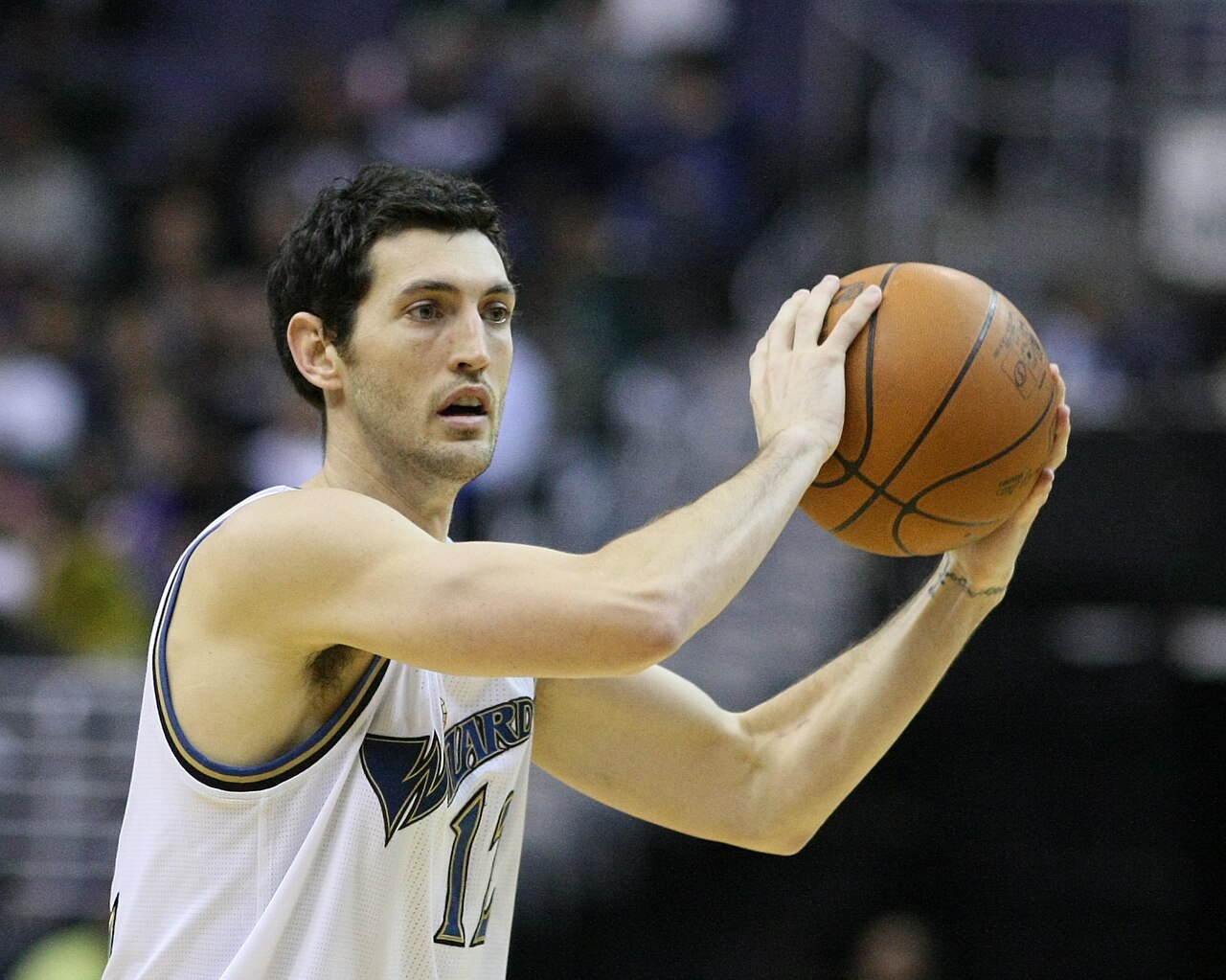
The point guard is a backcourt position in basketball commonly described as the team's primary ball-handler and playmaker. Often called the "floor general" or "commander," the point guard directs the offense, initiates set plays, and chooses when to push in transition or slow the pace. Success at this position depends as much on decision-making and vision as on physical skills.
Image gallery
4 Images


Core responsibilities
At its simplest, the role involves controlling the ball safely, advancing it upcourt, and creating opportunities for teammates. Responsibilities typically include organizing team spacing, calling or recognizing plays, managing the shot clock, and reading defenses to make the right pass or take a scoring opportunity. On defense a point guard often matches up with the opponent's primary ball-handler and is expected to apply pressure, disrupt passing lanes, and communicate switches.
Key skills and characteristics
- Ball handling: Reliable dribbling under pressure to protect possession.
- Court vision and passing: The ability to anticipate teammates' movements and deliver timely assists.
- Decision-making: Choosing between scoring, passing, or resetting the offense.
- Leadership and communication: Directing teammates and adjusting in-game strategy.
- Shooting and scoring: Many modern point guards are also capable scorers who can stretch defenses.
Variations and evolution
Historically, point guards were primarily pass-first facilitators, but the role has broadened. Modern basketball features a spectrum: traditional pass-first point guards, scoring point guards who create their own offense, and "combo guards" who split time between point and shooting guard duties. Changes in rules, analytics, and playing styles have increased the emphasis on three-point shooting, pace, and pick-and-roll proficiency for many elite point guards.
History and notable examples
The position has evolved alongside the game, but several players are widely recognized for defining or advancing point-guard play. Examples often cited include John Stockton for his passing and durability, Steve Nash for efficient playmaking, Chris Paul for leadership and tempo control, and Stephen Curry for revolutionizing shooting and spacing from the point guard spot. Each represents a different emphasis within the role.
Importance and context
Because the point guard influences possessions on nearly every offensive set, teams often prioritize finding a reliable player for this role. A strong point guard can elevate teammates' performance by creating higher-quality scoring chances, setting a sustainable tempo, and stabilizing close-game situations. Coaches tailor systems around the particular strengths of their point guard, so the position can look very different from team to team.
For further reading on rules, strategies, and contemporary examples, consult coaching guides and player analyses that focus on playmaking, pick-and-roll tactics, and the evolving balance between passing and scoring in backcourt roles.
Questions and answers
Q: What is a point guard in basketball?
A: A point guard is a position in basketball that is responsible for maintaining their team's offense by controlling the ball safely and passing it to the right teammate at the right time.
Q: Why is the point guard position important in basketball?
A: The point guard position is important because it is responsible for controlling the ball and maintaining the team's offense.
Q: What is the role of a point guard during a basketball game?
A: The role of a point guard during a basketball game is to control the ball, pass it to teammates, and maintain the team's offense.
Q: What is a point guard usually called on the basketball court?
A: A point guard is usually called a commander on the basketball court because of their role in maintaining the team's offense.
Q: Who are some famous point guards in the NBA?
A: Some famous point guards in the NBA include Steve Nash, Chris Paul, Stephen Curry, and John Stockton.
Q: What qualities does a good point guard in basketball have?
A: A good point guard in basketball should have good ball-handling skills, good vision on the court, and the ability to make quick and accurate passes.
Q: Can a player play multiple positions in basketball, including point guard?
A: Yes, a player can play multiple positions in basketball, including point guard, as long as they have the necessary skills and abilities for that position.
Author
AlegsaOnline.com Point guard (basketball position) Leandro Alegsa
URL: https://en.alegsaonline.com/art/77624