
Plessy v. Ferguson (1896): the 'separate but equal' doctrine and its legacy
Landmark 1896 Supreme Court ruling that upheld state racial segregation under 'separate but equal', shaping Jim Crow laws until its principles were rejected in later decisions, notably Brown v. Board of Education.
Plessy v. Ferguson was a United States Supreme Court decision in 1896 that affirmed a state's authority to maintain racially segregated public facilities so long as those facilities were purportedly "equal." The case is commonly cited as 163 U.S. 537 (Plessy v. Ferguson). Its holding established what became known as the "separate but equal" doctrine and gave constitutional cover to many segregation laws.
Image gallery
4 Images


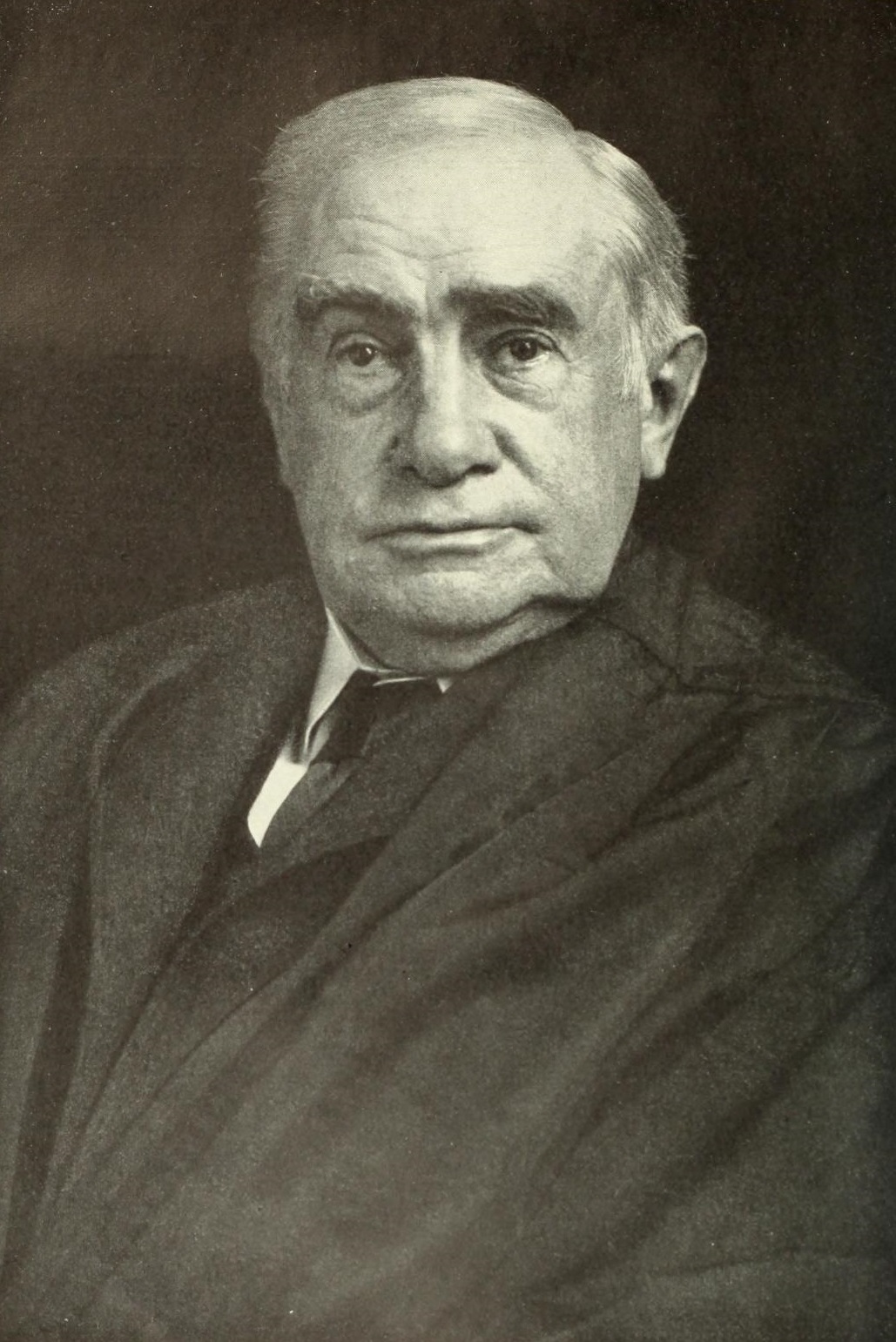
Background and facts
The dispute began in Louisiana under a law requiring separate railway cars for white and Black passengers. In 1892 Homer Plessy, a man of mixed ancestry who challenged the statute, deliberately occupied a whites-only car and was arrested. His legal team argued that the law violated the 13th and 14th Amendments; lower courts convicted him and the case reached the Supreme Court.
Decision and legal reasoning
In a 7–1 decision the Court upheld state segregation, holding that the Fourteenth Amendment did not prohibit states from distinguishing between races in public accommodations as long as the accommodations were equal in quality. The opinion, written by Justice Henry Billings Brown, defended this view of equality under law (majority opinion). The ruling treated racial separation as permissible under certain formal conditions and thereby validated many state laws enforcing segregation (legal segregation). Supporters pointed to the requirement of comparable services (equal facilities), while critics emphasized that segregation itself produced inequality.
Dissent and criticism
Justice John Marshall Harlan issued a vigorous dissent, arguing that the Constitution is "color-blind" and that state-imposed caste systems are incompatible with equal protection (Harlan's dissent). Over time scholars, activists, and later jurists viewed Plessy as a major constitutional error that sanctioned systemic racial discrimination.
Consequences and reversal
The Plessy decision provided judicial justification for decades of Jim Crow laws across the American South, affecting schools, transportation, voting access, and daily life. Its central holding was effectively repudiated by the Supreme Court in the 1954 education case Brown v. Board of Education, which rejected the notion that separate facilities could be inherently equal for public education and set a course for further civil rights rulings.
- Date: 1896
- Vote: 7–1
- Key doctrine: "Separate but equal"
- Long-term impact: Foundation for Jim Crow segregation until mid-20th century reversals
Plessy v. Ferguson remains a central case in American constitutional history, studied for its legal reasoning, its social consequences, and as an example of how constitutional interpretation can enable or resist social injustice. Its legacy is a reminder that formal equality in law may not prevent substantive inequality in practice.
Questions and answers
Q: What is Plessy v. Ferguson?
A: Plessy v. Ferguson was a United States Supreme Court case that ruled segregation was legal, as long as equal facilities were provided for both races.
Q: Who wrote the majority opinion in Plessy v. Ferguson?
A: Justice Henry Billings Brown wrote the majority opinion in Plessy v. Ferguson.
Q: Who wrote the minority opinion in Plessy v. Ferguson?
A: Justice John Marshall Harlan wrote the minority opinion in Plessy v. Ferguson.
Q: What was the vote count in Plessy v. Ferguson?
A: The decision in Plessy v. Ferguson was handed down by a vote of 7 to 1.
Q: When was Plessy v. Ferguson decided?
A: Plessy v. Ferguson was decided in 1896.
Q: What did Brown v. Board of Education do in relation to Plessy v. Ferguson?
A: Brown v. Board of Education partially overturned the Plessy v. Ferguson ruling.
Q: What year did Brown v. Board of Education occur?
A: Brown v. Board of Education occurred in 1954.
Related articles
Author
AlegsaOnline.com Plessy v. Ferguson (1896): the 'separate but equal' doctrine and its legacy Leandro Alegsa
URL: https://en.alegsaonline.com/art/77463
Sources
- pelicanpub.com : We As Freeman: Plessy v. Ferguson: The Fight Against Legal Segregation
- caselaw.findlaw.com : "United States Supreme Court: BROWN v. BOARD OF EDUCATION, (1954), No. 10; Argued: December 9, 1952; Decided: May 17, 1954"