
Plectrum (pick): definition, materials, technique and history
A plectrum, or pick, is a small tool used to pluck strings. Its material, thickness and shape affect tone, attack and technique across instruments from guitar and lute to mandolin and harpsichord.
Overview
A plectrum, often called a pick, is a small object held in the hand and used to pluck or strike the strings of a string instrument. It permits a clear, percussive attack and often greater articulation or volume than bare fingers. The technique of using a pick is a form of plucking and typically produces a bright initial transient and a pronounced tonal edge, characteristics sometimes described in general as a "twang" or sharp attack (tone characteristic).
Image gallery
10 Images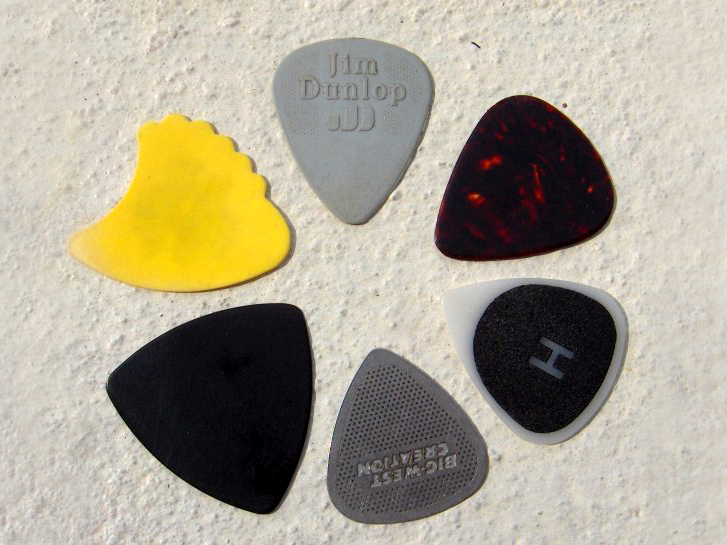

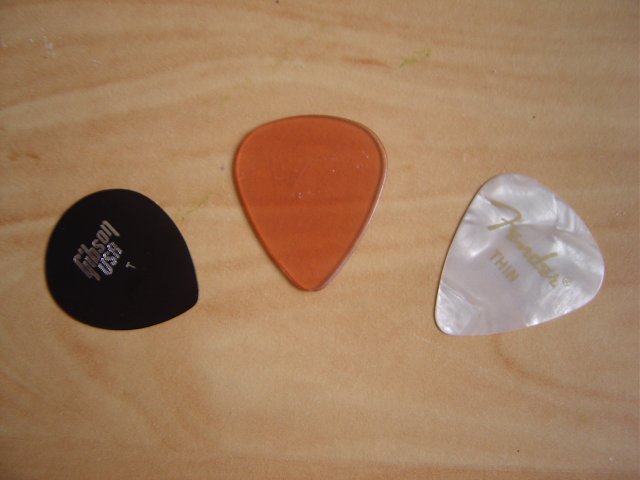


Materials and shapes
Plectra are made from many materials. Modern picks commonly use plastics such as celluloid, nylon or other polymers; metal, wood and layered composites are also used. Traditional materials include quill, bone, shell and leather. Picks vary in thickness, tip shape and beveling; thin flexible picks bend and produce a softer, strummier sound, while thick or stiff picks give greater attack, volume and control for single-note lines. Edge profile and surface texture influence how the pick leaves the string and thus affect tone and speed.
Instruments and examples
Fretted instruments are frequently played with picks: the acoustic and electric guitar and the mandolin are commonly plectrum-driven, while the lute in historical practice sometimes used quill plectra or finger techniques. Keyboard instruments such as the harpsichord also generate sound by plucking: their internal devices that pluck the string are mounted on small wooden pieces called jacks, and the replaceable elements are referred to as jacks and plectra. Different instruments and repertoire favor particular pick sizes and stiffness.
Technique and musical uses
Plectrum technique covers a wide range: alternate picking and economy picking for speed, flatpicking for melodic lines, tremolo picking on mandolin for sustained tone, and strumming patterns for accompaniment. Players often adjust angle, attack and wrist motion to control brightness, sustain and dynamics. Hybrid techniques combine a pick with bare fingers (hybrid picking) to gain the pick's projection while retaining finger independence and polyphonic control.
History and etymology
The term "plectrum" ultimately comes from ancient roots meaning an instrument or tool for striking or plucking. Across cultures, early plectra were made from feather quills, carved bone, or shell. With industrial production and new plastics in the 19th and 20th centuries, a wide variety of standardized shapes and gauges became affordable, making the small accessory ubiquitous in many popular and folk traditions.
Selection, care and variations
Choice of pick involves trade-offs: softer picks favor smooth strumming and rhythm, harder picks favor clarity and projection for lead lines. Players may carry several picks of different gauges and shapes for varied repertoire. Picks wear over time; rounded tips change attack and may be replaced. Specialty picks include thumb picks, finger picks and large plectra for historical plucked instruments. Some makers produce performance-oriented designs with textured grips or layered materials to balance flexibility and snap.
Notable distinctions
- Material effect: softer materials give mellower tones; harder materials emphasize attack.
- Playing tradition: classical guitarists typically use nails and fingers rather than handheld picks, while many folk and electric players prefer picks.
- Instrument design: built-in plucking mechanisms such as harpsichord jacks function differently from handheld picks but serve the same basic purpose of exciting a string.
As a small and simple tool, the plectrum has a large influence on timbre, articulation and playing technique. Musicians choose and adapt picks to the demands of repertoire, instrument and musical context, making the plectrum an enduring and versatile part of stringed-instrument practice.
Questions and answers
Q: What is a plectrum or pick?
A: A plectrum or pick is a small object used to play certain types of string instruments.
Q: How is a plectrum held?
A: A plectrum is held in the hand.
Q: What sound does a plectrum produce when used to pluck a string?
A: A plectrum produces a hard, metallic, "twangy" sound when used to pluck a string.
Q: Which instruments are commonly plucked using a plectrum?
A: The instruments most commonly plucked include the guitar, lute and mandolin.
Q: Which other instrument has plectra instead of a plectrum and what are they used for?
A: The harpsichord has plectra instead of a plectrum and they are called "jacks". They pluck the string when the player presses a key down.
Q: Is a plectrum used to play all types of string instruments?
A: No, a plectrum is only used to play certain types of string instruments.
Q: Can a plectrum be used to produce a soft sound?
A: No, a plectrum produces a hard, metallic, "twangy" sound.
Related articles
Author
AlegsaOnline.com Plectrum (pick): definition, materials, technique and history Leandro Alegsa
URL: https://en.alegsaonline.com/art/77444