
Aveyron — department in Occitanie, southern France
Aveyron is a rural department in Occitanie, southern France, named for the Aveyron river. It is known for plateaus, deep gorges, medieval villages, Roquefort cheese and the town of Rodez.
Overview
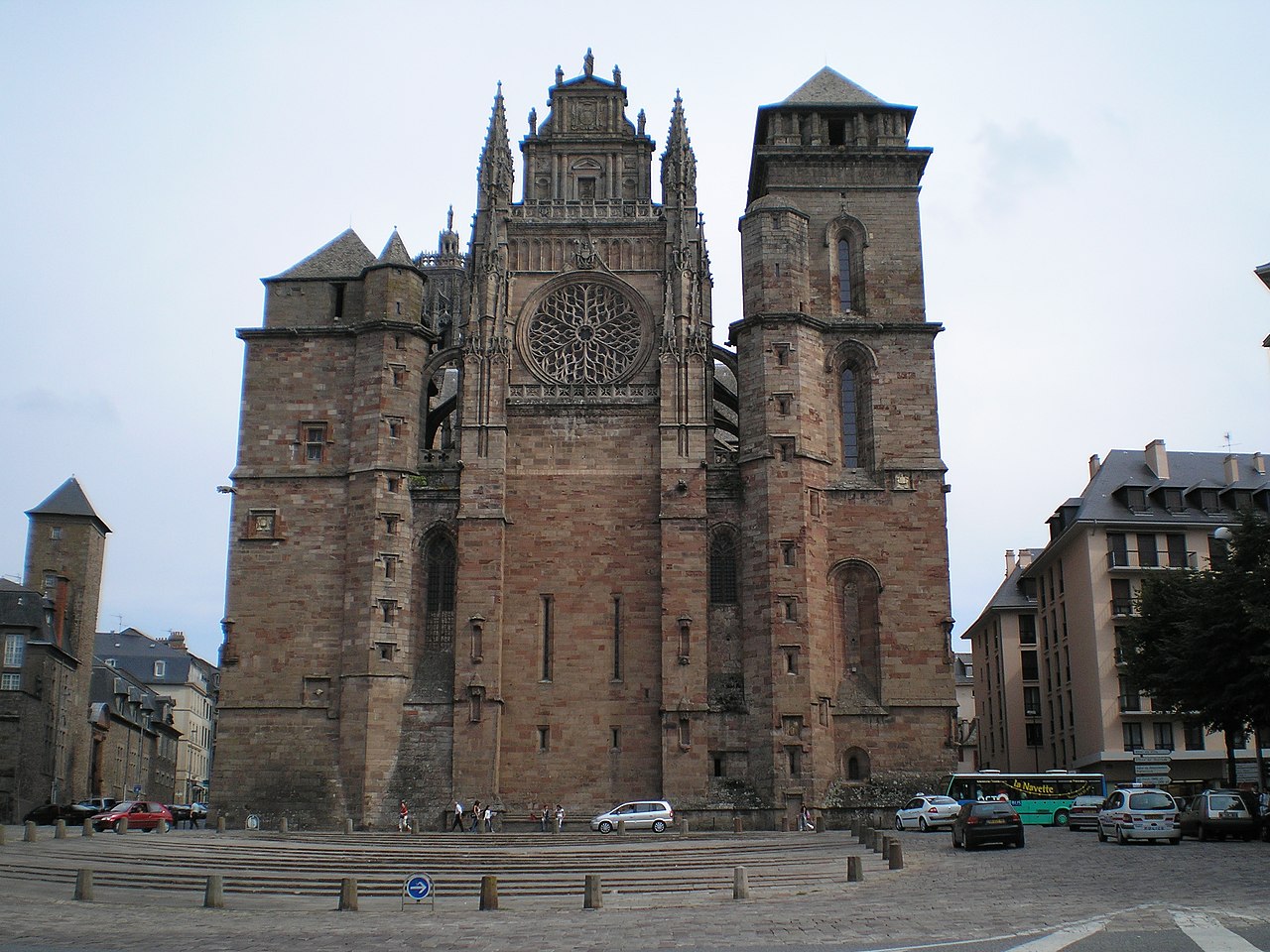
Aveyron is an administrative department of France located in the northeastern part of the Occitanie region. Its name comes from the Aveyron river, and the area retains a distinct regional identity with roots in the Occitan language. The prefecture and main urban center is Rodez, a historic town that serves as the administrative and cultural hub; see also its municipal and heritage pages at Rodez resources.
Image gallery
10 Images




Geography and landscape
The department combines limestone plateaus, known locally as the Grands Causses, with deep river valleys and upland pastures. Rugged gorges carved by rivers create dramatic scenery that attracts hikers and outdoor enthusiasts. The mix of highlands and fertile valleys supports a patchwork of small farms, forests and villages that are characteristic of this part of southern France.
History and heritage
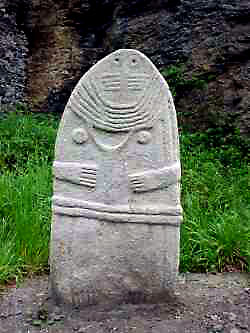
Aveyron has a long human presence reflected in medieval towns, Romanesque churches and fortified villages. Pilgrimage routes cross the department, and several communes preserve notable ecclesiastical architecture and historic centers. The region’s past is closely tied to rural life, traditional crafts and the historic county structures of southwestern Europe.
Economy, culture and products
The local economy remains largely rural: agriculture, sheep farming and artisan production are important. Aveyron is associated with several renowned food products — most famously the caves producing Roquefort cheese — and with traditional metalwork and cutlery in places such as Laguiole. Local festivals, markets and the Occitan cultural revival sustain music, language and culinary traditions.
Notable places and visitor attractions
- The Aveyron river valleys and their walking routes
- Medieval villages and Romanesque churches that attract cultural tourism
- The landscapes of Occitanie, including the Grands Causses plateaus
- Sites connected to Occitan heritage and local museums
Practical visits often combine natural scenery with gastronomic experiences: caves where cheese is aged, local markets, and small museums that explain regional geology and history. Aveyron offers a largely rural experience of France, with a strong sense of place and many preserved traditions.
Questions and answers
Q: Where is Aveyron located?
A: Aveyron is located in the northeast of the Occitanie region of southern France.
Q: What is the meaning of the word Aveyron?
A: Aveyron is named after the Aveyron river.
Q: What is the administrative center of Aveyron?
A: Rodez is the prefecture or administrative center of Aveyron.
Q: What is the native language of Aveyron?
A: The native language of Aveyron is Occitan.
Q: Is Aveyron a French department?
A: Yes, Aveyron is a French department.
Q: In which part of France is Aveyron located?
A: Aveyron is located in the southern part of France, in the Occitanie region.
Q: What is the geographical significance of the Aveyron river?
A: The Aveyron river is geographically significant in that it gives the department of Aveyron its name.
Tags
Related articles
Author
AlegsaOnline.com Aveyron — department in Occitanie, southern France Leandro Alegsa
URL: https://en.alegsaonline.com/art/7728
Sources
- aveyron.fr : "Le Président du Conseil départemental"
- insee.fr : "Comparateur de territoire Département de l'Aveyron (12)"
- insee.fr : "Populations légales 2014 des départements et des collectivités d'outre-mer"
- archivesdefrance.culture.gouv.fr : Création du département de Tarn-et-Garonne
- splaf.free.fr : "Historique de l'Aveyron"
- peakbagger.com : "Signal de Mailhe-Biau--Northwest Peak, France"
- weatherbase.com : "Millau, France - Köppen Climate Classification"
- insee.fr : "Régions, départements, arrondissements, cantons et communes"
- insee.fr : "Département de l'Aveyron (12) et Arrondissements"
- legifrance.gouv.fr : Décret n° 2014-205 du 21 février 2014 portant délimitation des cantons dans le département de l'Aveyron
- habitants.fr : "Aveyron (12)"