
Plagiarism: Definition, Types, Consequences, and Prevention
A neutral overview of plagiarism: what it is, common forms, historical and legal context, consequences, detection, and practical steps to avoid it in academic and professional work.
Plagiarism is presenting another person's words, ideas, data, or creative work as if they were your own. That includes verbatim copying, close paraphrase without attribution, reusing a prior piece of your own work without disclosure (self-plagiarism), and failing to credit collaborators. For formal definitions and guidance see definitions and policies.
Image gallery
3 Images

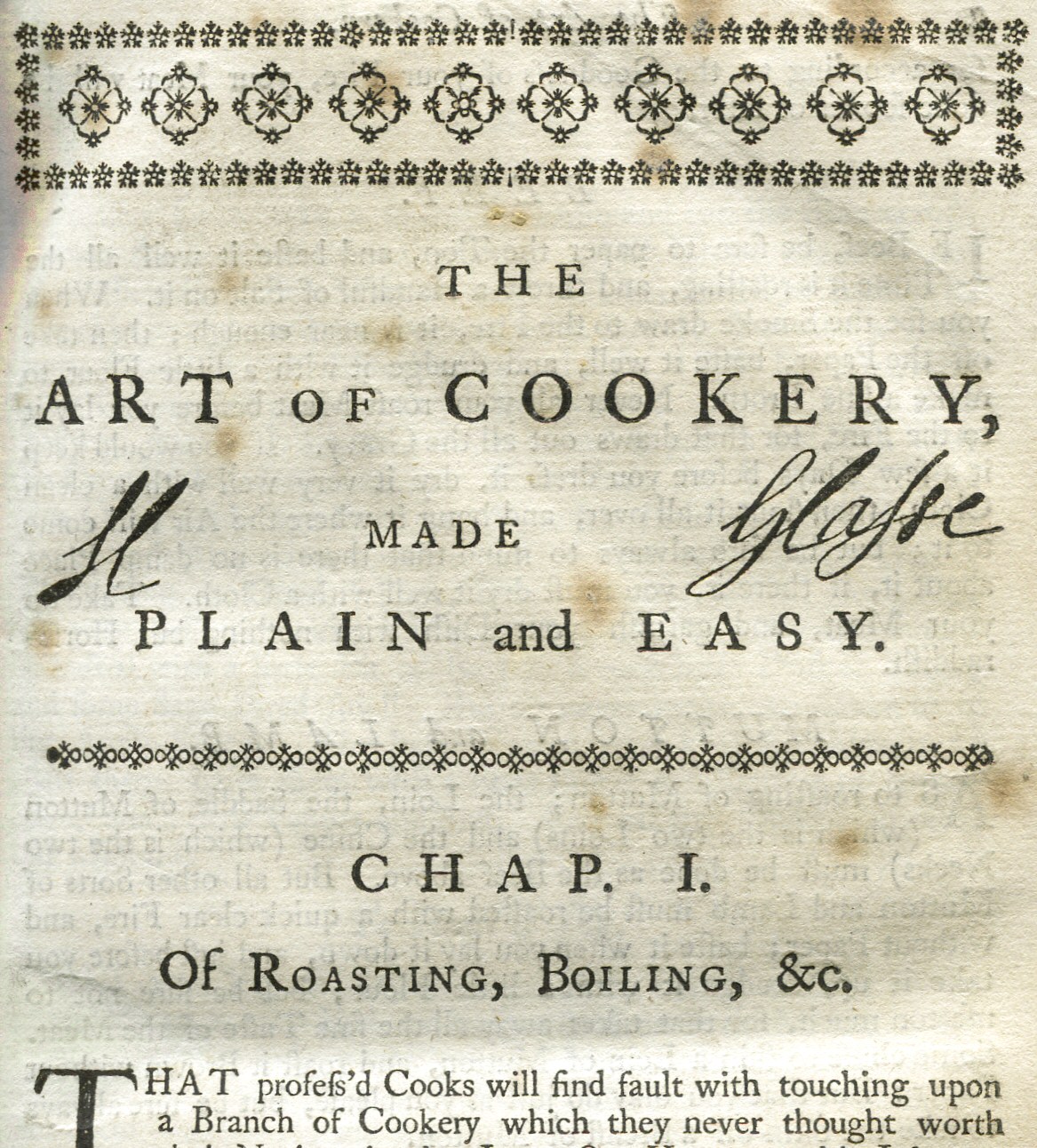
Forms and common indicators
Plagiarism appears in many guises. Typical forms include:
- Direct copying: using text or images word-for-word without quotation marks or citation.
- Paraphrase plagiarism: substantially rewording a source while preserving its structure or ideas without attribution.
- Mosaic (patchwriting): inserting phrases from sources into original text without clear acknowledgement.
- Self-plagiarism: republishing your own previous work as new without permission or citation.
- Unattributed data or code: presenting others' research results, datasets, or software as original.
History and legal context
The term and its cultural meaning grew as printing, scholarship, and professional publishing spread. Modern academic norms and intellectual property rules developed alongside copyright law, which can overlap with but is distinct from academic definitions of plagiarism. Legal claims often concern copyright infringement; institutional sanctions address academic integrity. For legal resources and copyright discussion consult copyright guidance and legal explanations.
Consequences and detection
Consequences vary by context. Academic institutions may impose warnings, grade penalties, course failure, suspension, or expulsion. Employers and publishers can rescind offers, retract publications, or take disciplinary action. In some cases copyright holders may pursue legal remedies. Reputational harm can be long-lasting. Many organizations use text-matching and forensic tools to detect overlap and patterns, and policies outline procedures for adjudication; see typical institutional responses at institutional policies and discussions of reputational impact at reputation resources.
Prevention and best practices
Avoiding plagiarism rests on good habits: attribute sources clearly, use quotation marks for exact wording, provide citations for ideas that are not common knowledge, keep careful notes about sources, and seek permission where required. Teaching proper paraphrase, using citation management tools, and running drafts through detection software help reduce accidental plagiarism. Guidance and ethical frameworks are available from academic offices and professional bodies: see ethical and legal guidance.
Distinctions and open questions
Not every reuse is plagiarism: content in the public domain, facts that are common knowledge, and properly licensed materials may be reused with fewer constraints. Cultural expectations about attribution vary, and debates continue about intent versus outcome, the thresholds for acceptable similarity, and how to balance detection technology with fair adjudication. Understanding both the ethical norms of your field and the specific rules of your institution is essential.
Questions and answers
Q: What is plagiarism?
A: Plagiarism is the act of copying another person's ideas, words or writing and pretending that they are one's own work.
Q: What can plagiarism involve?
A: Plagiarism can involve violating copyright laws.
Q: What are the consequences for college students who are caught plagiarizing?
A: College students who are caught plagiarizing can be expelled from school.
Q: How can plagiarism affect a student's reputation?
A: Plagiarism can permanently damage a student's reputation.
Q: What legal and ethical violations do writers commit when they plagiarize?
A: Writers who plagiarize commit serious legal and ethical violations.
Q: Why is it important to avoid plagiarism?
A: It is important to avoid plagiarism because it is considered dishonest and undermines academic and professional integrity.
Q: What are some ways to avoid plagiarism?
A: Some ways to avoid plagiarism include properly citing sources, paraphrasing and summarizing information in one's own words, and developing original ideas.
Author
AlegsaOnline.com Plagiarism: Definition, Types, Consequences, and Prevention Leandro Alegsa
URL: https://en.alegsaonline.com/art/77201
Sources
- writingcenter.unc.edu : "Plagiarism"
- thelawdictionary.org : "What Are Some Consequences Of Plagiarism?"
- ithenticate.com : "6 Consequences of Plagiarism"
- bowdoin.edu : "The Common Types of Plagiarism"
- plagiarism.org : "What is Plagiarism?"
- library.duke.edu : "Avoiding plagiarism"
- checkforplagiarism.net : "Copyright Laws - Intellectual Property Laws - Plagiarism Laws"
- isites.harvard.edu : "How to Avoid Plagiarism"
- northwestern.edu : "Guidelines for Proper Attribution"