
Pink triangle
A triangular badge originally used by Nazi authorities to mark male homosexual prisoners, later reclaimed by LGBT activists as a symbol of remembrance, resistance, and queer rights.
The pink triangle is a simple geometric emblem with a complex history: it began as a forced identifying badge imposed by Nazi authorities on men classified as homosexual, and in the late 20th century it was reclaimed by parts of the LGBT movement as a sign of remembrance and resistance. Today the triangle functions both as a memorial to victims and as an activist icon, often shown alongside other symbols of queer identity.
Image gallery
7 Images


History and origins
In the concentration camps of Nazi Germany male prisoners who were identified as homosexual were required to wear an inverted pink triangle. This mark served to stigmatize, segregate, and subject them to harsher treatment. Other groups were assigned different colored triangles or badges: for example, women labeled "asocial" were sometimes marked with a black triangle, and Jews were forced to wear the yellow Star of David. Where identities overlapped, badges could be combined or worn together to indicate multiple categories of persecution.
Persecution, law, and aftermath
The persecution of gay men under Nazism was rooted in legal and social repression: male homosexuality had been criminalized and those laws were vigorously enforced. Arrests and convictions continued in some places even after the war ended, and many survivors faced ongoing stigma and legal penalties in postwar societies. Estimates of how many homosexual men were interned or killed vary, and historians note that records are incomplete; numbers range widely and are subject to ongoing scholarly debate. Testimonies from survivors, such as Pierre Seel, provide firsthand accounts of the brutality directed at those identified with the pink triangle.
Reclamation and modern uses
Beginning in the 1970s and 1980s, activists and community groups began to reinterpret the pink triangle. Rather than accept it as a mark of disgrace, they adopted it as a symbol of solidarity with victims and as a visible reminder of state violence against sexual minorities. It appeared on posters, buttons, banners, memorials, and in educational materials. The reclaimed triangle has been used in campaigns for memorialization of LGBT victims of the Holocaust, in anti-homophobia projects, and within broader movements for sexual minority rights and health awareness.
Design, variations, and related symbols
- Original form: an inverted, plain pink triangle worn on clothing in the camps as an identifying mark.
- Reclaimed forms: often presented upright or stylized, sometimes combined with text, dates, or other colors to signal pride or remembrance.
- Relation to other symbols: the pink triangle is commonly mentioned alongside the rainbow flag as a central emblem of LGBT identity and history.
Commemoration, controversy, and public memory
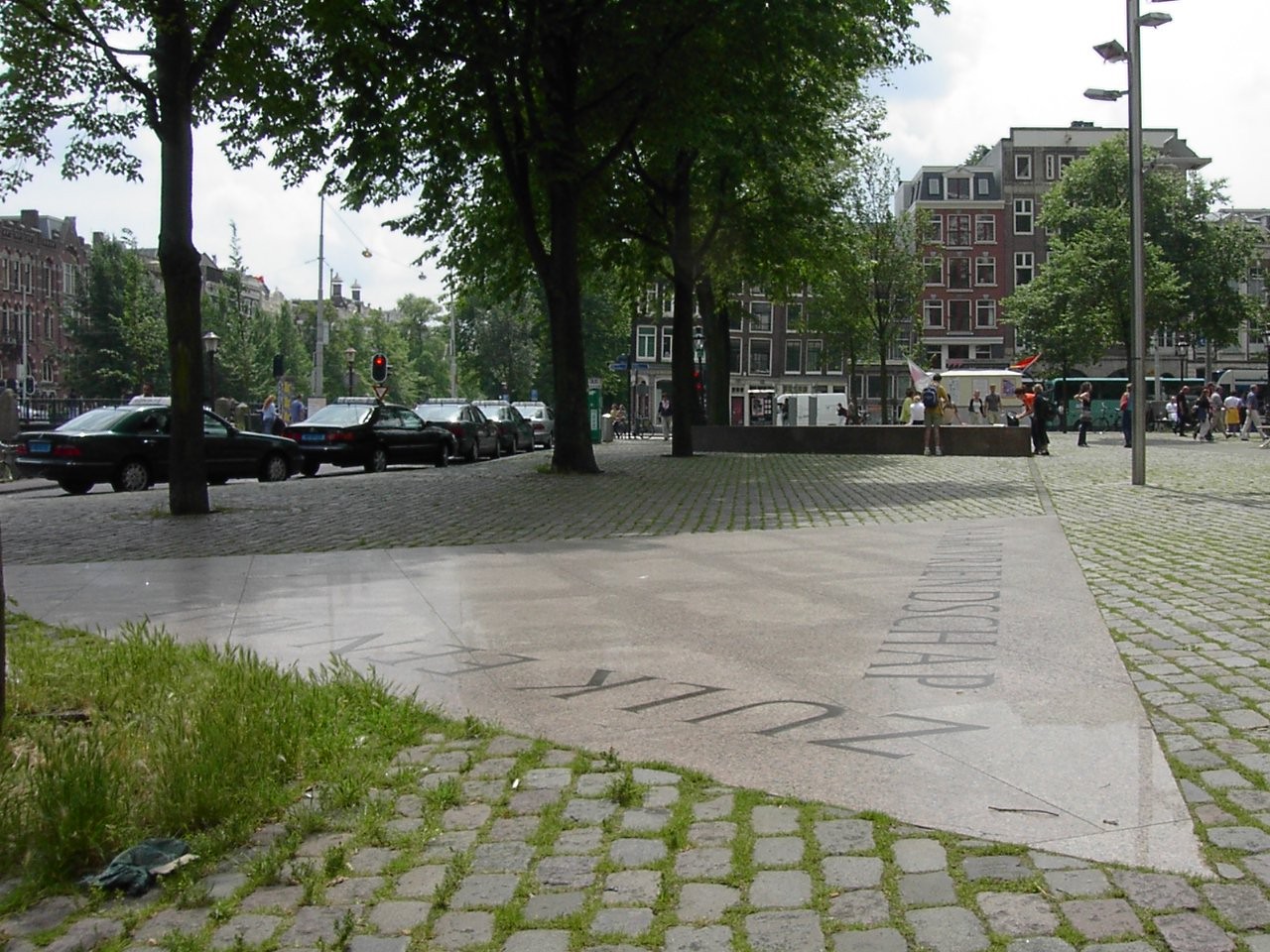
The use of the pink triangle raises questions about how to memorialize victims of persecution without trivializing suffering. Supporters argue it preserves the memory of people targeted specifically for their sexual orientation and draws attention to lesser-known aspects of state-sponsored violence. Critics have sometimes argued that a symbol rooted in oppression requires careful contextualization to avoid misinterpretation. Many memorials and museums include the triangle as part of exhibits about Nazi persecution and the broader history of sexual minorities; education and careful explanation are commonly recommended to convey its historical weight.
Further reading and context
For readers seeking more information, resources explore both the historical record and the culture of reclamation. Contemporary discussions connect the pink triangle to topics such as legal history, queer memory, public commemoration, and the relationship between trauma and activism. The symbol remains a poignant reminder that visual marks can carry meanings that evolve over time and can be transformed from instruments of oppression into emblems of resilience.
Related terms and topics: LGBT community, rainbow flag, Nazi Germany, lesbians, Jews, Star of David, World War II.
Questions and answers
Q: What are the two big symbols of the LGBT community?
A: The two big symbols of the LGBT community are the pink triangle and the rainbow flag.
Q: How was the pink triangle first used?
A: The pink triangle was first used in Nazi Germany to mark homosexual prisoners.
Q: What other symbol was used to mark anti-social women?
A: A black triangle was used to mark anti-social women, many of whom were lesbians.
Q: What law made homosexuality a felony in Nazi Germany?
A: Homosexuality was illegal in Nazi Germany under a law called Paragraph 175, which made it a felony (a "very serious" crime).
Q: How did homosexuals fare worse than other prisoners during WWII?
A: Homosexual prisoners were treated worse than other prisoners and their death rates were higher than other anti-social groups.
Q: What is one story that illustrates how homosexuals were treated during WWII?
A: One story by a gay man who lived in a concentration camp shows how it was. Pierre Seel was sent to the Schirmeck concentration camp where he had to watch as his 18 year old lover had all his clothes taken off and then had a bucket put over his head before being mauled to death by German Shepherds (dogs).
Q: Why is it important for us not to ignore these deaths today?
A: It is important not to ignore these deaths today because using the pink triangle symbol puts these victims in public view and serves as respect for those who died during or after WWII due to their sexuality.
Author
AlegsaOnline.com Pink triangle Leandro Alegsa
URL: https://en.alegsaonline.com/art/77004