
Pind Kargu Khan: A Union Council of Abbottabad District
Pind Kargu Khan is a rural union council near Abbottabad in Khyber Pakhtunkhwa, Pakistan, known for pine forests, mixed farming, orchards and local cultural traditions. Overview, geography, economy and access.
Overview
Pind Kargu Khan is one of the 51 union councils in Abbottabad District and forms part of the administrative structure of the Khyber Pakhtunkhwa province. It is a rural area located about 28 km from Abbottabad city and is characterised by scattered villages, agricultural terraces and wooded ridgelines. Administrative references and regional context are commonly found in resources for Abbottabad District, Khyber Pakhtunkhwa and Pakistan.
Image gallery
1 Image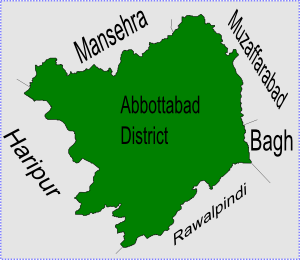
Geography and environment
The union council lies in the lower Himalayan foothills and experiences a temperate, mountain-influenced climate with seasonal variation. The landscape includes cultivated valleys and higher forested slopes. A notable local feature is the pine-covered ridge known as Kohe-e-Balehana near the summit of Sando Gali, which contributes to scenic value, local climate moderation and watershed protection. The area around Pind Kargu Khan connects by local roads to Abbottabad city and neighbouring settlements.
Agriculture and local produce
Agriculture is the primary livelihood for many households. Field crops are dominated by staples such as maize and wheat, grown on small plots and terraced slopes. Fruit trees and kitchen gardens provide a diverse range of produce, both for family consumption and local markets. Commonly grown fruits include apricot, grapes, pomegranate, pear, peach, apple, guava and watermelon. Seasonal soft fruits such as strawberries are cultivated where conditions permit. Flowers such as roses, jasmine (locally called chambali) and sunflowers are also found in gardens and small holdings.
- Field crops: maize, wheat
- Fruits: apricot, grapes, pomegranate, pear, peach, apple, guava, watermelon, lemon, strawberry
- Flowers: rose, jasmine, sunflower
Economy and culture
Besides farming, residents engage in small-scale trading, seasonal labour and services in nearby towns. Local cultural life reflects regional customs, religious observances and seasonal events linked to planting and harvest cycles. Handicrafts, food preservation such as dried fruits, and weekly markets contribute to household incomes. Hospitality and local cuisine are notable aspects of daily life for visitors travelling through the area.
Biodiversity, conservation and challenges
The pine forests and mixed woodlands around Sando Gali support local biodiversity typical of lower montane zones. These woodlands provide habitat, fuelwood and shade but face pressures from fuel collection, grazing and occasional land conversion. Community-level conservation and sustainable forestry practices are increasingly important for protecting soil, water and local livelihoods around Kohe-e-Balehana (Sando Gali).
Infrastructure and services
Basic infrastructure in Pind Kargu Khan includes rural road links, small shops and community amenities; access to health, education and larger markets usually requires travel to Abbottabad or other nearby towns. Roads and travel times are affected by weather and terrain; improvements to transport and services remain priorities for local development.
Visiting and practical information
The area attracts local visitors for day trips, nature walks and seasonal fruit harvesting. Travelers should plan for limited formal tourist facilities, check local road conditions and respect farming activities and private land. For administrative or planning information, consult local government and district resources such as those maintained for Abbottabad District and provincial agencies in Khyber Pakhtunkhwa or national sources in Pakistan. For specific details on Sando Gali and Kohe-e-Balehana see local guides and informational pages: Sando Gali / Kohe-e-Balehana information or travel references linked to Abbottabad.
Questions and answers
Q: What is Pind Kargu Khan?
A: Pind Kargu Khan is one of the 51 Union Councils of Abbottabad District in the Khyber Pakhtunkhwa province of Pakistan.
Q: How far is Pind Kargu Khan from Abbottabad city?
A: Pind Kargu Khan is 28 km from Abbottabad city.
Q: What is located on the peak of Sando Gali in Pind Kargu Khan?
A: A huge forest of pine tree named Kohe-e-Balehana is located on the peak of Sando Gali in Pind Kargu Khan.
Q: What are the main crops grown in Pind Kargu Khan?
A: The main crops grown in Pind Kargu Khan are maze and wheat.
Q: What are some of the flowers found in Pind Kargu Khan?
A: Pind Kargu Khan has a beautiful valley with the flower of Rose, Chambali (Jasmine), and Sunflower.
Q: What are some of the fruits found in Pind Kargu Khan?
A: The main fruits found in Pind Kargu Khan are Apricot, Grapes, Pomegranate, Watermelon, Pear, Guava, Lemon, Locate, Peach, Apple, strawberry, etc.
Q: What is the main occupation of people in Pind Kargu Khan?
A: Farming is the main occupation of people in Pind Kargu Khan.
Related articles
Author
AlegsaOnline.com Pind Kargu Khan: A Union Council of Abbottabad District Leandro Alegsa
URL: https://en.alegsaonline.com/art/76955
Sources
- abbottabad.gov.pk : Pind Kargu Khan Union Council
- abbottabad.sdnpk.org : Administrative Units of District Abbottabad