
Pilbara: geography, geology, people and economy of a remote Australian region
Overview of the Pilbara region of north Western Australia: landscape, ancient geology, climate, Aboriginal heritage, mining and towns such as Port Hedland, Karratha and Newman.
The Pilbara is a large, sparsely populated region in the far north of Western Australia that spans arid coastal plains, rugged ranges and wide interior plains. Located within the state commonly referenced as Western Australia, the Pilbara is noted for its red soils, dramatic scenery and a small, dispersed population centered in a handful of towns. Its mix of remote wilderness and heavy industry makes the region distinctive within Australia.
Image gallery
10 Images




Geography and climate
The Pilbara contains contrasting landforms: low coastal plains and extensive tidal flats, contrasted with rocky ranges that form steep escarpments and gorges. Visitors and scientists often comment on the region's striking vistas and color palette, described by travel and nature guides as stunning landscapes. Vegetation is adapted to a hot, dry climate punctuated by monsoonal rain and episodic tropical cyclones; severe storms occur every few years and can deliver intense rainfall and flooding along the coast and inland valleys (cyclone events).
Geology and ancient rocks
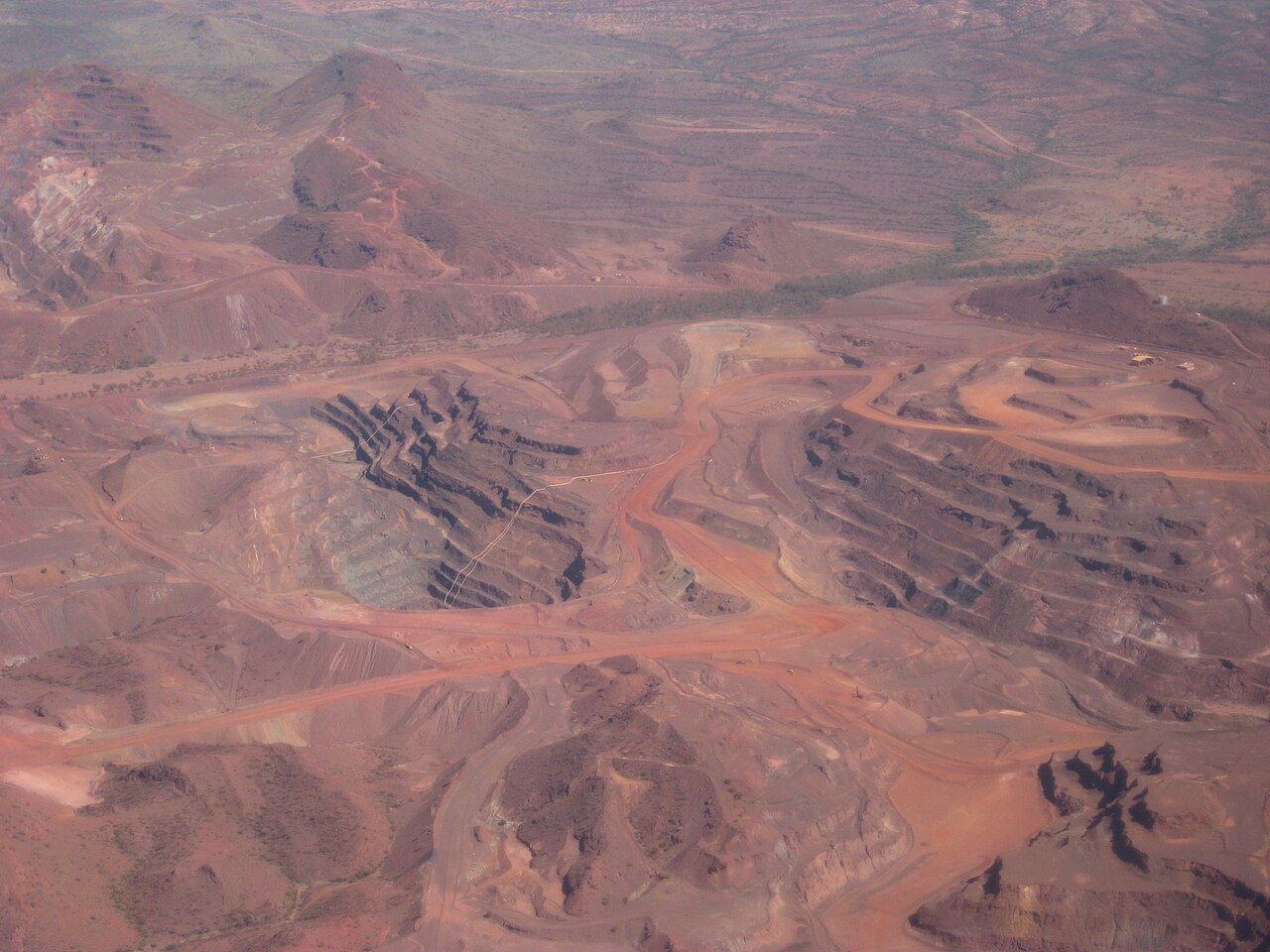
The Pilbara is internationally important for geology. It contains the Pilbara craton, one of Earth's oldest and best-preserved crustal blocks. Rocks here include some of the planet's earliest known formations dating to the Archaean eon and are studied for evidence of early continental crust and ancient life (Archaean, geological history). The region's mineral wealth—especially vast iron-rich sequences and other mineral deposits—has profound scientific and economic significance (mineral deposits, iron ore).
People, culture and history
Human occupation of the Pilbara extends for tens of thousands of years. The region is home to many Aboriginal groups who maintain strong cultural connections to country, language and traditional practices. Indigenous heritage, rock art and law remain central to local identity and land management, and Aboriginal communities are active participants in cultural and economic life in the Pilbara (Aboriginal peoples).
Economy, towns and infrastructure
Natural resources drive much of the contemporary Pilbara economy. Large-scale mining operations dominate, extracting iron ore and other minerals; linked industries include petroleum and hydrocarbon development as well as natural gas production (mining, iron ore, petroleum, natural gas). Key urban and logistic hubs support these activities—major settlements include Port Hedland, Karratha and Newman—along with specialized ports, railways and processing facilities. Pastoralism, commercial fishing and tourism also contribute to regional livelihoods.
Conservation, recreation and notable features
Parts of the Pilbara are protected to conserve its unique ecosystems, ancient rock formations and iconic landforms such as steep gorges and coastal plains. The region features significant national parks and conservation reserves that protect both ecological values and culturally important sites. Visitors will find opportunities for hiking, natural history study and cultural tourism; meanwhile researchers continue to study the area's geology and ancient landscapes (coastal plains, mountain ranges, cliffs and gorges). Practical information, permits and cultural protocols are important for anyone planning to travel or work in the Pilbara.
- Area: a vast, sparsely inhabited portion of north Western Australia.
- Key industries: mining, hydrocarbon extraction (petroleum, gas), pastoralism, fishing and tourism.
- Scientific value: ancient Pilbara craton rocks from the Archaean period (early Earth studies).
- Main towns: Port Hedland, Karratha, Newman and other service centers.
Further reading and local resources can be accessed via government and regional sources, which provide up-to-date details on land access, mining developments and cultural programs. For general orientation and travel planning, consult regional overviews and community authorities before visiting the Pilbara.
Questions and answers
Q: Where is the Pilbara located?
A: The Pilbara is located in the north of Western Australia.
Q: What is the population of the region?
A: In 2010, the region had a population of about 48,600.
Q: What is the Pilbara known for?
A: The Pilbara is known for its Aboriginal peoples, stunning landscapes, red earth, and vast mineral deposits, in particular iron ore.
Q: Does the Pilbara experience cyclones?
A: Yes, the Pilbara experiences cyclones every year or two.
Q: What natural resources are found in the Pilbara?
A: The area is known for its petroleum, natural gas, and iron ore deposits.
Q: What are the main industries in the Pilbara other than mining?
A: Pastoral activities as well as fishing and tourism are the main industries in the Pilbara.
Q: What are some major settlements in the Pilbara?
A: The major settlements of the region are Port Hedland, Karratha, and Newman.
Related articles
Author
AlegsaOnline.com Pilbara: geography, geology, people and economy of a remote Australian region Leandro Alegsa
URL: https://en.alegsaonline.com/art/76908
Sources
- deh.gov.au : "Revision of the Interim Biogeographic Regionalisation for Australia (IBRA) and Development of Version 5.1 - Summary Report" · web.archive.org
- deh.gov.au : IBRA Version 6.1
- abs.gov.au : "Regional Population Growth, Australia, 2009–10 - Western Australia"
- anra.gov.au : "Rangelands - Overview - Pilbara"
- health.wa.gov.au : "Department of Health: Pilbara"
- rdapilbara.org.au : "Regional Development Australia Pilbara"