
Pieter Brueghel the Elder
Flemish Renaissance painter and printmaker famed for populated landscapes and vivid peasant scenes that combine observation, moralizing detail and satire; influential in Northern European art.
Overview
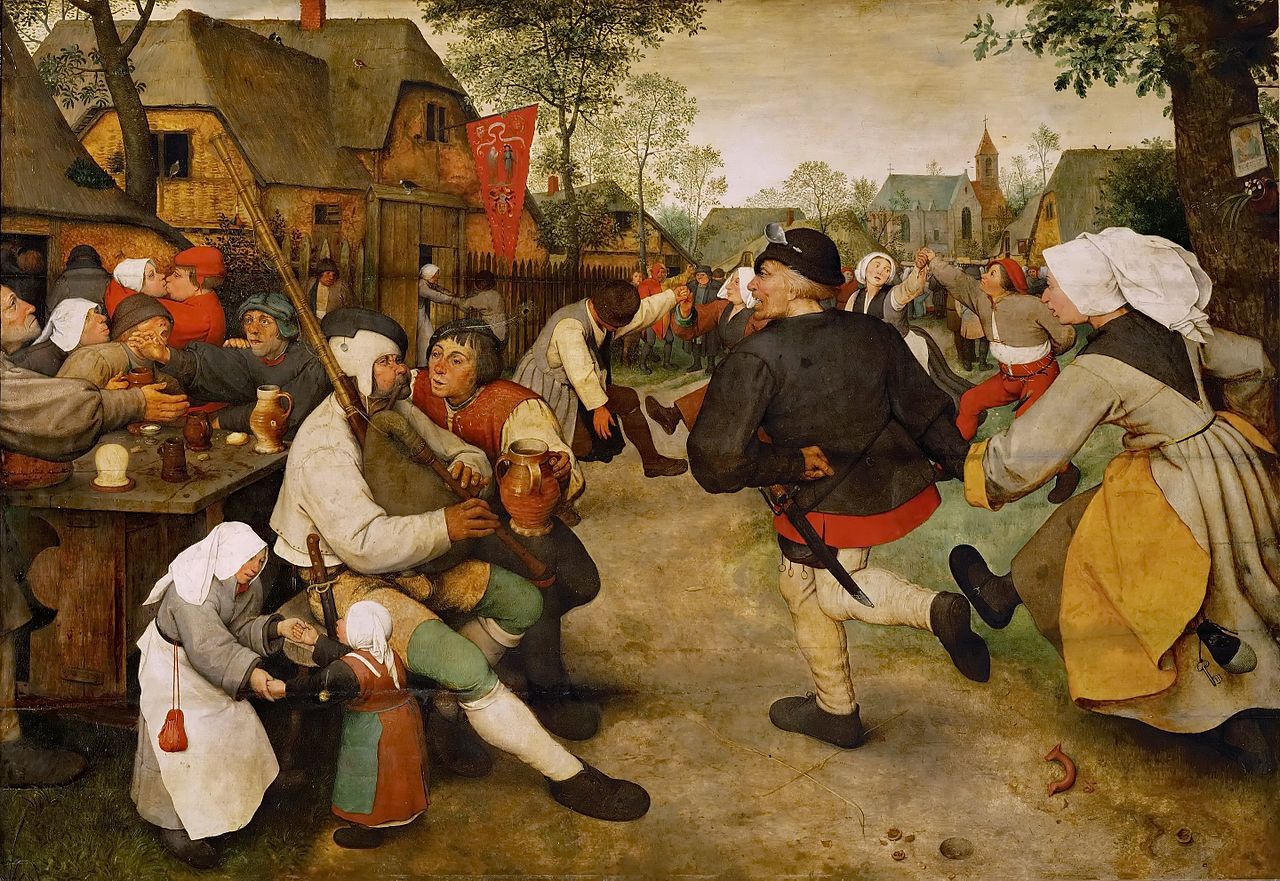
Pieter Brueghel the Elder (c. 1525 – 9 September 1569) was a leading painter and printmaker of the Northern Renaissance. He is celebrated for expansive, populated landscapes and genre scenes that depict rural life, festivals and seasonal labour. After about 1559 he signed his works "Bruegel," a spelling associated with him; family members later used or reintroduced the form "Brueghel." He is often called "Peasant Bruegel" to distinguish him from relatives who were also artists.
Image gallery
10 Images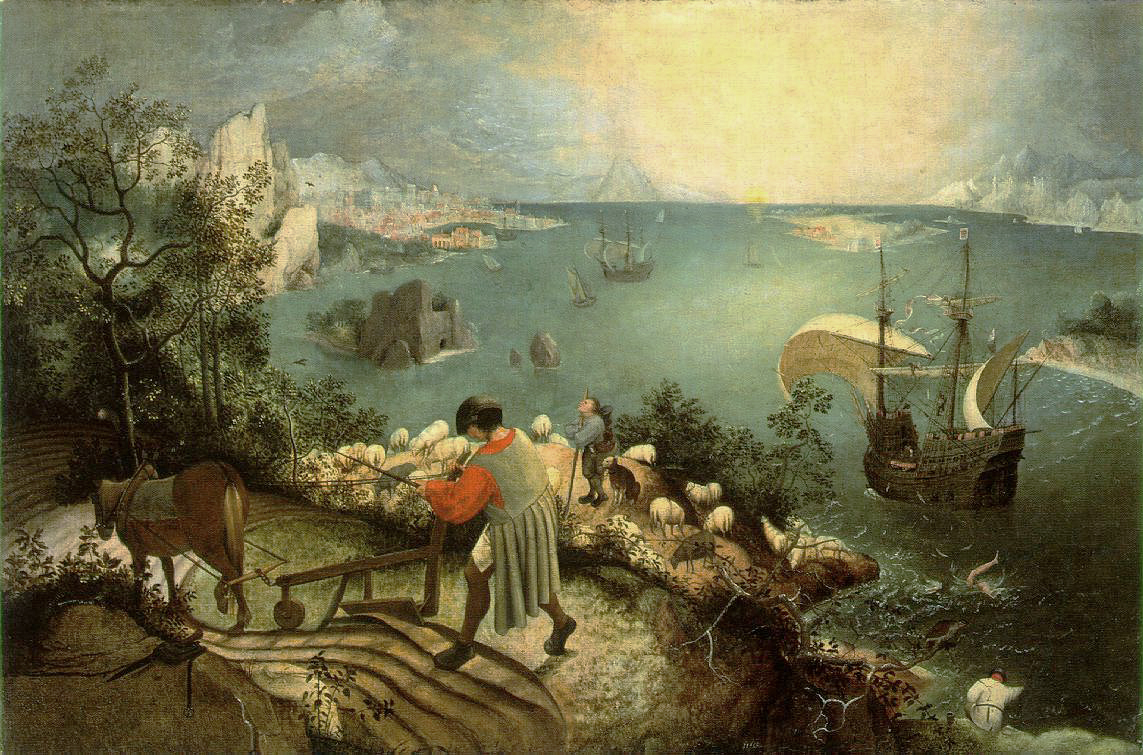



Life and training
Born in the Low Countries, Bruegel trained in the tradition of local workshops and likely spent time traveling, including a stay in Italy early in his career, where he would have encountered classical and landscape models. Back in the Low Countries he worked mainly around Antwerp and Brussels, producing paintings, drawings and designs for prints. His workshop later produced many copies and variants, and his sons continued the family practice.
Style and technique
Bruegel's style blends careful observation with imaginative composition. He favoured panoramic arrangements filled with numerous small figures whose actions, gestures and costumes create narrative interest. His palette often employs earthy tones and muted colours to convey atmosphere and distance, while his handling of space relies on layered planes and aerial perspective. He also worked in print media, providing designs that were widely disseminated and copied.
Themes and motifs
Common themes in Bruegel's work include the cycles of the seasons, scenes of work and play, moral allegories and visual proverbs. He depicted peasant festivities, weddings, markets and field labour with a combination of empathy and ironic commentary. Some compositions incorporate biblical, classical or allegorical references that invite moral reflection on human folly, mortality and social order.
Major works
- The Hunters in the Snow – a winter landscape that juxtaposes human activity and a stark natural setting.
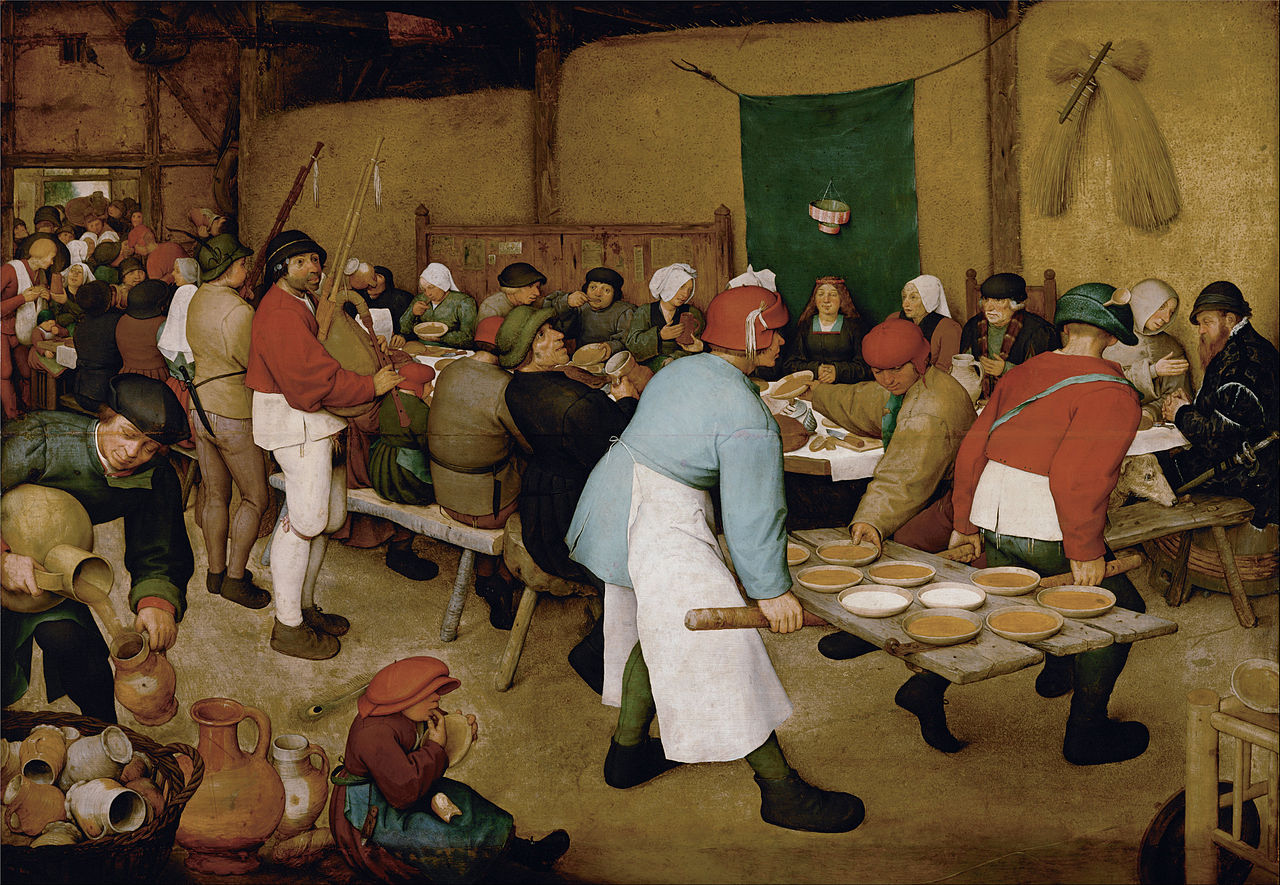
- The Peasant Wedding – an intimate and detailed portrayal of a rural celebration.
- Landscape with the Fall of Icarus – a small tragic episode set within a broader, indifferent world.
- The Harvesters – one of several works that explore seasonal labour and the rhythms of rural life.
Workshop and attribution
Bruegel ran a productive studio and his compositions were frequently copied by assistants and later by his sons, notably Pieter Brueghel the Younger and Jan Brueghel the Elder. This workshop practice helped spread his imagery but also makes attribution complex; art historians distinguish autograph works from studio copies through close technical and stylistic study.
Influence and legacy
Bruegel is credited with elevating scenes of ordinary life to subjects worthy of complex pictorial treatment, shaping the development of landscape painting and genre art in Northern Europe. His narrative density, humane observation and moralizing wit influenced later artists, printmakers and collectors. Reproductions of his designs circulated widely and helped secure his reputation across the continent.
Further reading and context
For broader context on his artistic milieu see Northern Renaissance. For discussions of landscape traditions related to his work consult resources on landscape art. Studies of social imagery and rural life in early modern art are available under topics such as peasant imagery.
Questions and answers
Q: Who was Pieter Brueghel the Elder?
A: Pieter Brueghel the Elder was a Renaissance painter and printmaker from the Netherlands or Flanders who is known for his landscapes and peasant scenes.
Q: Why is Pieter Brueghel the Elder nicknamed "Peasant Bruegel"?
A: Pieter Brueghel the Elder is nicknamed "Peasant Bruegel" to distinguish him from other members of the Brueghel family because he is known for painting peasant scenes.
Q: What was Pieter Brueghel the Elder's most famous work?
A: Pieter Brueghel the Elder did not have a single most famous work, but he is the most famous of the Brueghel family and therefore when someone speaks of "Brueghel" they are most likely referring to him.
Q: What did Pieter Brueghel the Elder do to his name in 1559?
A: In 1559, Pieter Brueghel the Elder dropped the 'h' from his name and started signing his paintings as Bruegel.
Q: What was Pieter Brueghel the Elder known for painting?
A: Pieter Brueghel the Elder was known for painting landscapes and peasant scenes.
Q: What nationality was Pieter Brueghel the Elder?
A: Pieter Brueghel the Elder was from the Netherlands or Flanders.
Q: What was Pieter Brueghel the Elder's profession?
A: Pieter Brueghel the Elder was a Renaissance painter and printmaker.
Related articles
Author
AlegsaOnline.com Pieter Brueghel the Elder Leandro Alegsa
URL: https://en.alegsaonline.com/art/76849