
Photo editing and image manipulation
Overview of photo editing: techniques, history, common uses, tools, ethical issues and best practices for working with digital and traditional images.
Overview
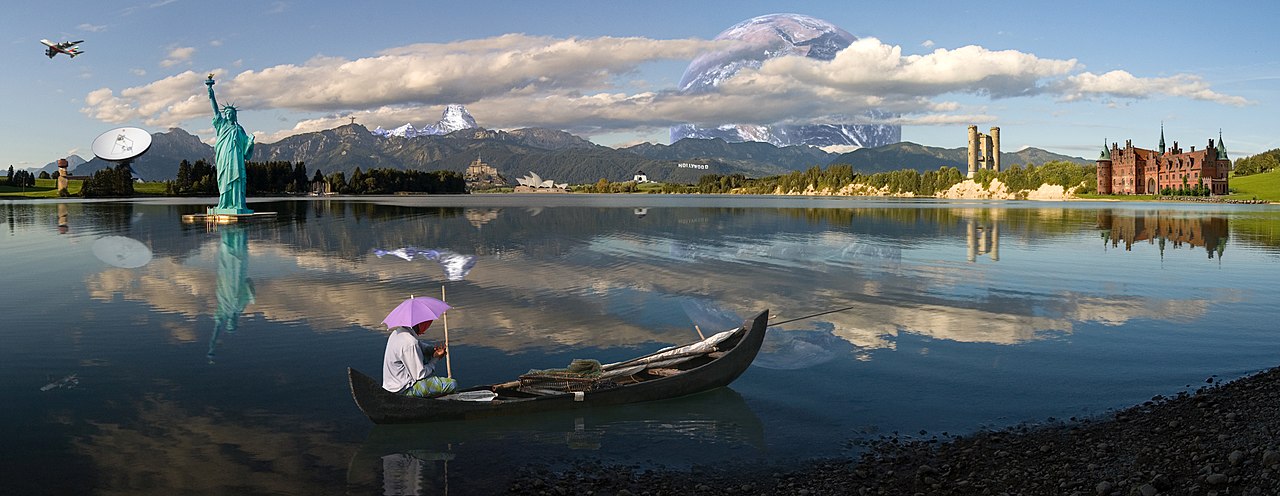
Photo editing — also called image editing or image manipulation — is the deliberate alteration of a photographic image or other visual artwork to improve, correct, combine or change its appearance. Edited content can include digital photographs, illustrations and scans of analog film or prints. Edits range from modest corrections like exposure and color balance to creative compositing that produces an entirely new scene.
Image gallery
10 Images




Common techniques and tools
Modern editing is often performed with software that works on raster images using pixels; common desktop and mobile programs provide layers, masks, brushes and automatic filters. Typical operations include cropping and straightening, exposure and color correction, sharpening, noise reduction, retouching blemishes, cloning, and advanced compositing using masks and layers. Raw photo processing and color management are important for photographic fidelity. Popular general-purpose and specialized tools include commercial and open-source packages and lightweight mobile apps; many users rely on well-known editors such as Photoshop and similar apps, free alternatives like GIMP, or simple programs such as Microsoft Paint and smartphone editors.
History and development
Before digital tools, photographers and illustrators altered images manually in the darkroom or with airbrushing and retouching on prints and negatives. With the spread of personal computers and graphic software in the late 20th century, many manual techniques were reproduced and expanded in digital form. Digital workflows introduced non-destructive editing (keeping original data intact), and powerful compositing, enabling both routine corrections and highly creative manipulations.
Uses and examples
Photo editing serves many fields and goals. Common uses include:
- Publishing and advertising—retouching portraits, product photography and composites for visual impact.
- Documentary and journalism—careful correction of exposure and color while preserving factual integrity.
- Art and illustration—creating surreal images, digital paintings and mixed-media works.
- Restoration—repairing damaged or faded historical photographs.
- Scientific and technical imaging—enhancing contrast and detail for analysis.
Editing may also be used to alter appearances of people, such as professional model retouching, or to assemble composites for creative storytelling.
Ethics, accuracy and distinctions
There is a difference between routine correction and deceptive manipulation. In journalism and science, preserving context and disclosing edits are essential because alterations can mislead. In advertising and social media, heavy retouching has raised concerns about unrealistic beauty standards and consent. The term "photo manipulation" often implies a transformative or misleading change, while "photo editing" can mean routine technical adjustments.
Best practices
Practical guidance for responsible editing includes keeping original files, working non-destructively with layers or versioned files, embedding or preserving metadata, and applying color-managed workflows for consistent output. When edits affect meaning—such as removing or adding people or objects—clear disclosure maintains ethical transparency. Whether for restoration, visual storytelling, or technical analysis, careful documentation and respect for the subject and audience help ensure edits are useful and honest.
For further reading about tools, techniques and standards, consult software documentation and photography resources provided by major editing applications: commercial editors, open-source projects and basic utilities like simple paint programs are useful starting points for different skill levels.
Questions and answers
Q: What is photo editing?
A: Photo editing is the process of altering images, such as digital photographs, illustrations, prints, or photographs on film.
Q: What programs are commonly used for photo editing?
A: Programs such as Photoshop, Gimp and Microsoft Paint are commonly used for photo editing.
Q: Why is photo editing done for models?
A: Photo editing is done for models to remove blemishes or enhance their appearance.
Q: What are some reasons to edit a photo?
A: Some reasons to edit a photo include fixing errors such as red eye or adjusting contrast and brightness, creating practical jokes, and tricking people.
Q: What is photo manipulation?
A: Photo manipulation is the process of creating new images by editing existing ones.
Q: Does photo manipulation have a negative connotation?
A: Photo manipulation is sometimes seen as having a negative connotation, even though it is simply another form of photo editing.
Q: How was traditional editing done before the use of programs?
A: Traditional editing, such as airbrushing, was done by hand.
Related articles
Author
AlegsaOnline.com Photo editing and image manipulation Leandro Alegsa
URL: https://en.alegsaonline.com/art/76587