
Philippe Pétain: From World War I Commander to Head of Vichy France
A concise, balanced account of Marshal Philippe Pétain’s military career, leadership of Vichy France (1940–44), trial for treason, and the complex legacy he left in France.
Overview
Philippe Pétain (1856–1951) was a French military officer who became a national hero after World War I and later led the regime commonly called Vichy France. His career spans distinct phases: pre‑war service, celebrated command in 1916–1918, a political role in the interwar years, and controversial leadership after France’s defeat in 1940.
Image gallery
10 Images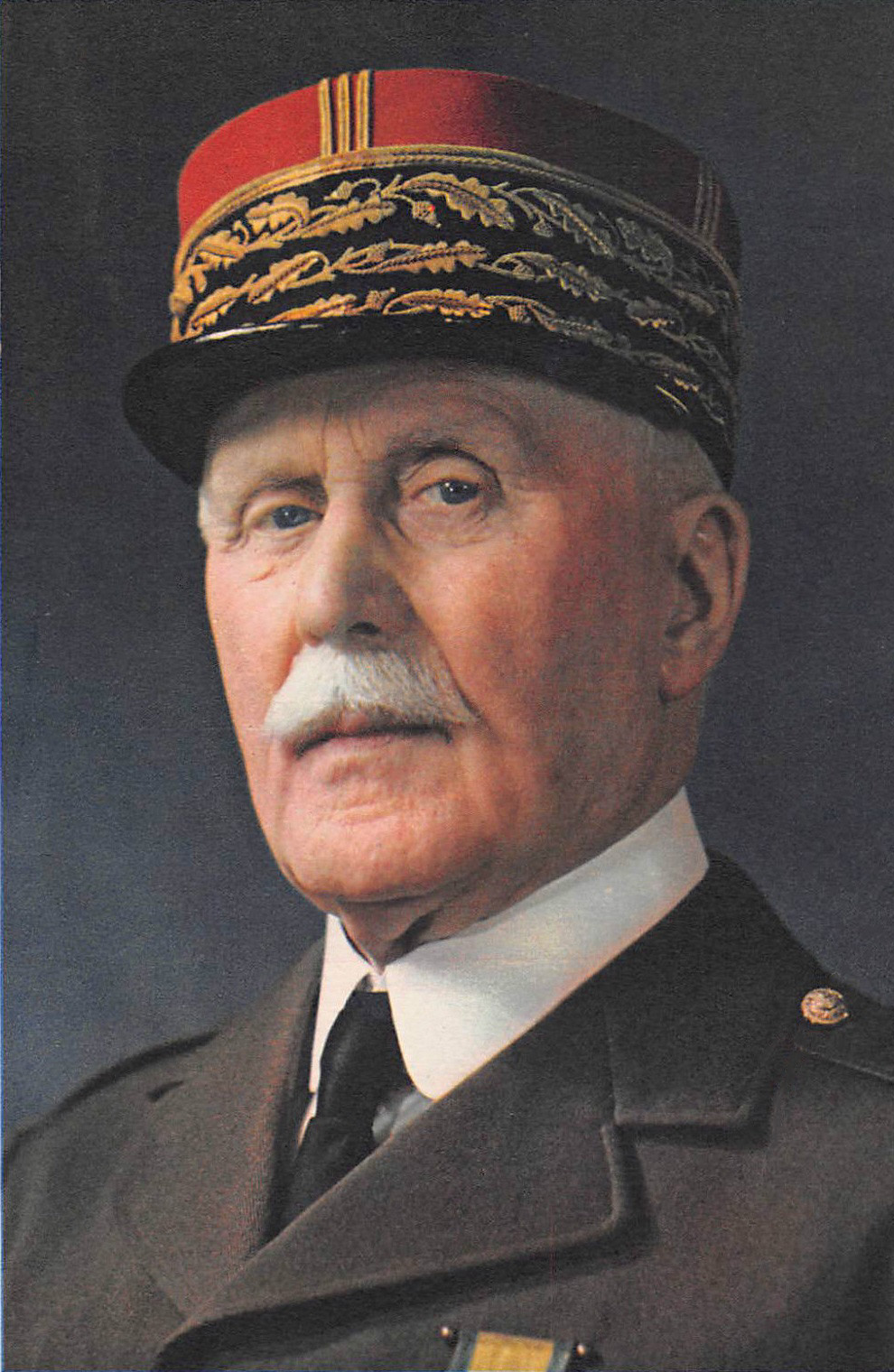


Military rise and World War I
Pétain rose through the army over decades and earned wide recognition during World War I, most famously for his role at the Battle of Verdun. Contemporary accounts credited him with steadying French defenses and improving soldier welfare at a critical moment; his stewardship of Verdun became a symbol of determination for many in France. After Verdun he held senior commands and played a central role in the final campaigns that led to the 1918 armistice.
Interwar period and politics
Between the wars Pétain held high military rank and was sometimes invoked as a conservative, stabilizing figure. He was viewed by some as a safe choice when political leaders confronted crisis in 1940, though he did not enter civilian government long before that period. Debates about his political views and the degree to which they shaped later decisions remain part of historical discussion.
Vichy regime (1940–1944)
Following the collapse of organized resistance in the Battle of France, Pétain was given authority by the French government and established an authoritarian administration that collaborated in varying degrees with Nazi Germany. He presided over an authoritarian state that pursued conservative and often repressive policies; historians note that until late 1942 the regime operated as a dependent or client state of Nazi Germany. The period also saw increasing German control after full occupation began following Allied operations in North Africa.
Collapse, trial, and sentence
After liberation of much of France, Pétain was tried for collaboration and treason. He was convicted and originally sentenced to death; the sentence was commuted to life imprisonment because of his advanced age and former wartime service. His trial and punishment remain subjects of public and scholarly debate about responsibility, legal process, and national memory.
Legacy and contested memory
Philippe Pétain’s record combines battlefield distinction with political decisions that many condemn. He is a divisive figure in modern French history: for some, a World War I hero; for others, the symbol of defeat and collaboration during the Second World War. Understanding his life requires distinguishing military achievements, political choices, and the broader context of occupation and resistance.
- Notable event: leadership at Verdun.
- Key moment: appointment after the Battle of France.
- International context: relations with Nazi Germany and the changing status of Vichy.
Questions and answers
Q: Who was Philippe Pétain?
A: Philippe Pétain was a French General and leader of Vichy France between 1940 and 1944.
Q: What was Pétain's role in World War I?
A: Pétain was the hero of the Battle of Verdun and led the French Army until the end of the war in 1918.
Q: What happened during the Battle of France in 1940?
A: During the Battle of France in 1940, the French government asked Pétain to govern the country and he surrendered to the Germans.
Q: What was Vichy France?
A: From 1940 to late 1942, Vichy France was a client state of Nazi Germany.
Q: What was Pétain's role in Vichy France after 1942?
A: In November 1942, Pétain became a puppet of Nazi Germany as they fully occupied and disarmed Vichy France.
Q: What happened to Pétain after the war?
A: After the war, Pétain was tried and convicted for treason. He was originally sentenced to death but due to his age and World War I service, his sentence was commuted to life in prison.
Q: When did Pétain die?
A: Pétain died in 1951.
Related articles
Author
AlegsaOnline.com Philippe Pétain: From World War I Commander to Head of Vichy France Leandro Alegsa
URL: https://en.alegsaonline.com/art/76459